
Boston, MA, December 19, 2025
The recent sales of commercial properties in Boston highlight significant shifts in the office market, with valuations declining sharply since the pandemic. As the downtown area reevaluates its economic landscape, this presents both challenges and opportunities for entrepreneurs and investors. The need for adaptation and strategic thinking is crucial for maintaining the city’s vibrant business community. Understanding these market dynamics is essential for property owners and potential investors looking to navigate this evolving real estate environment and capitalize on new possibilities.
Boston, MA
Boston Office Market: A New Reality?
Recent sales reveal shifting valuations and a challenge for Boston’s commercial real estate landscape, prompting a reevaluation of downtown’s economic future.
Boston’s economic landscape is a testament to the enduring spirit of Massachusetts entrepreneurs and the resilience of its Boston MA business community. Even amidst evolving market conditions, the city consistently demonstrates its capacity for adaptation and growth. A dynamic urban economy often experiences periods of adjustment, creating both challenges and fresh opportunities for innovators and investors alike. The current commercial real estate market, particularly in the downtown core, exemplifies this ongoing evolution, signaling a time for strategic thinking and nimble enterprise.
These market adjustments, while presenting hurdles, also underscore the importance of private sector agility and the responsiveness of capital to new realities. For Boston small business owners and prospective investors, understanding these shifts is crucial. It’s a moment that highlights how market forces, when allowed to operate effectively, facilitate a necessary recalibration, ultimately paving the way for renewed investment and innovative uses of prime commercial spaces. This period is an invitation for entrepreneurs to reimagine possibilities and contribute to the next chapter of Boston’s vibrant economic story.
Downtown Boston’s Commercial Real Estate Snapshot
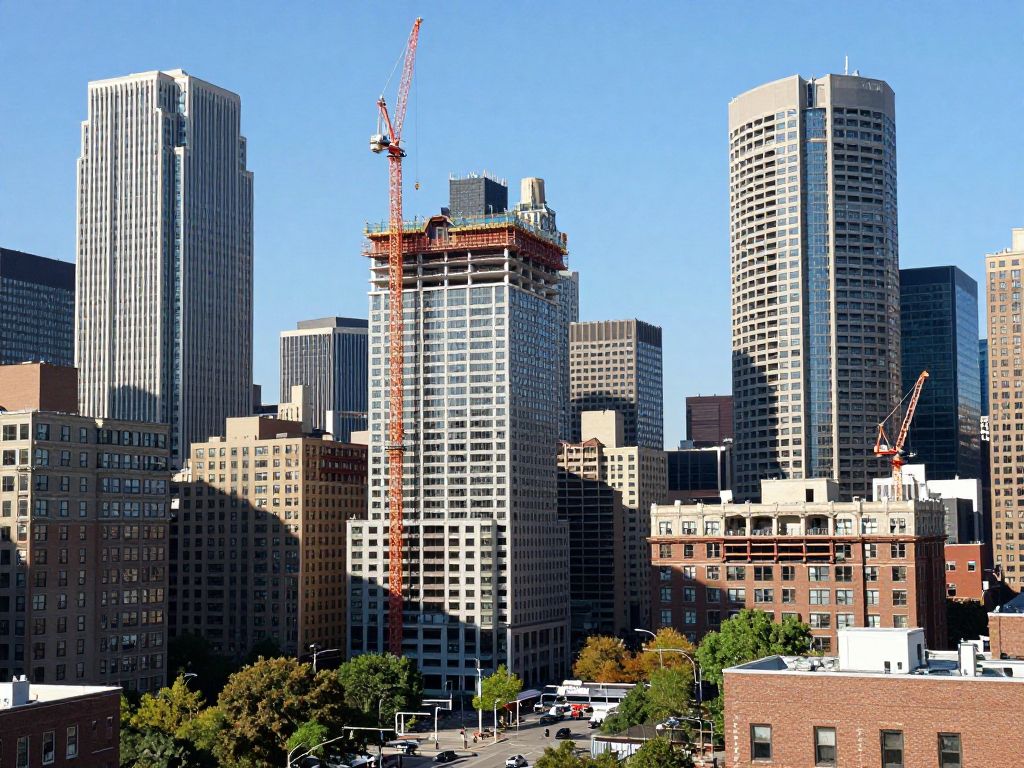
The downtown Boston commercial real estate market has seen significant shifts in recent months, indicative of broader pricing pressures. On December 19, 2025, an office and retail building situated at 99 Bedford St. in downtown Boston was sold at auction for $19 million. This transaction represents a substantial markdown, falling significantly below its pre-pandemic valuation. The sale price was approximately 63% below the property’s 2019 valuation, highlighting the ongoing adjustments occurring within the city’s commercial property sector.
The Broader Market Context
This sale is not an isolated incident but rather reflects a wider trend impacting Boston’s office market. Another significant event occurred on March 28, 2025, when a $400 million bid secured the foreclosure auction for the One Lincoln Office building. Both of these high-profile sales underscore the sustained impact of the COVID-19 pandemic on the demand for office space. The revaluation of these prominent assets suggests a recalibration in market expectations, as investors and businesses adapt to new patterns of work and occupancy needs. These events demonstrate how global health crises can necessitate fundamental market adjustments, prompting a re-evaluation of asset values and opening new avenues for strategic private investment and redevelopment.
Navigating an Evolving Landscape
The current climate in Boston’s commercial real estate market presents both challenges and distinct opportunities. Property owners and developers are encouraged to engage in creative solutions and strategic repositioning of assets to thrive in this environment. For Boston small business ventures, these market adjustments could lead to more accessible commercial spaces, fostering new enterprise and expansion within the city. The emphasis on private investment in acquiring and transforming these properties is paramount, as it drives the necessary capital and innovation to stabilize and revitalize valuable urban real estate. This dynamic period is a call for ingenuity and adaptability, where proactive engagement by the private sector can shape the future utility and value of Boston’s downtown core.
The Spirit of Entrepreneurial Innovation
The shifts observed in the commercial real estate market are closely linked to the enduring resilience of Massachusetts entrepreneurs. A dynamic market environment, while challenging, frequently acts as a catalyst for new business models and innovative uses for commercial spaces. Rather than relying solely on past paradigms, this period encourages forward-thinking approaches to property utilization and business operations. Economic growth often originates from the capacity to adapt to change, identify emerging needs, and seize new possibilities. This entrepreneurial spirit, characterized by creativity and a willingness to embrace new realities, is a driving force in navigating market fluctuations and ensuring the ongoing vitality of Boston MA business.
Community and Economic Growth
Adjustments in the commercial real estate market hold implications for Boston’s diverse neighborhoods and the broader Boston MA business community. These changes offer opportunities for creative adaptations of commercial spaces that can contribute to maintaining and enhancing urban vibrancy. Community-led initiatives, alongside strategic private sector investments, play a critical role in imagining new futures for downtown properties. Local leadership, combined with the ingenuity of private enterprise, is essential in shaping Boston’s economic future. By fostering collaboration and promoting innovative solutions, the city can ensure that these market recalibrations ultimately strengthen its economic foundation and benefit its residents.
Conclusion
The recent sales in Boston’s downtown commercial real estate market underscore an ongoing period of adjustment and revaluation. These market shifts, while reflecting new economic realities, simultaneously highlight opportunities for strategic private investment and entrepreneurial innovation. Boston’s capacity for adaptation, driven by resilient Massachusetts entrepreneurs and a robust Boston MA business community, positions the city to navigate these changes effectively. Engaging with these evolving conditions through thoughtful planning, private sector ingenuity, and community involvement will be crucial in shaping a dynamic and prosperous Boston’s economic future. Readers are encouraged to support Boston small business and remain engaged in the ongoing dialogue about the city’s evolving economic landscape.
Frequently Asked Questions
What was the sale price of the downtown Boston office and retail building on December 19, 2025?
An office and retail building situated at 99 Bedford St. in downtown Boston was sold at auction for $19 million on December 19, 2025.
How did the sale price compare to the building’s pre-pandemic valuation?
The sale price was significantly below its pre-pandemic valuation, approximately 63% below the property’s 2019 valuation.
What does this sale indicate about Boston’s office market?
This transaction indicates ongoing pricing pressure in the city’s office market.
Was there another notable office building sale in Boston recently?
Yes, on March 28, 2025, a $400 million bid secured the foreclosure auction for the One Lincoln Office building.
What is the general cause of these market adjustments?
These sales underscore the sustained impact of the COVID-19 pandemic on the demand for office space.
Key Features of Recent Boston Commercial Real Estate Sales
| Property | Sale Date | Sale Price | Comparison to Pre-Pandemic Valuation | Broader Market Context |
|---|---|---|---|---|
| 99 Bedford St. (Downtown Office and Retail Building) | December 19, 2025 | $19 million | Significantly below its pre-pandemic valuation; approximately 63% below its 2019 price | Indicative of ongoing pricing pressure in the city’s office market. |
| One Lincoln Office Building | March 28, 2025 | $400 million bid (foreclosure auction) | N/A (foreclosure auction reflects market adjustments) | Reflects the ongoing impact of the COVID-19 pandemic on office space demand. |
Deeper Dive: News & Info About This Topic
HERE Resources
Greater Boston’s Real Estate Market Shows Resilience
Lawsuit Claims Retaliatory Overtaxation in Boston
Boston Zoning Commission Approves Major Update for Downtown
Eli Lilly Expands Research Footprint in Boston’s Seaport
Watertown Mall Sold for $100 Million in Strategic Shift
HGA Moves to New Boston Office in Historic Warehouse
Quincy to Transform Presidents Place into Life Science Hub
Governor Healey Establishes Competitiveness Council in Massachusetts
Kaplan Construction Recognized as One of Massachusetts’ Largest Family-Owned Businesses
Boston Office Market Sees Surge in Leasing Activity

Author: STAFF HERE BOSTON WRITER
The BOSTON STAFF WRITER represents the experienced team at HEREBoston.com, your go-to source for actionable local news and information in Boston, Suffolk County, and beyond. Specializing in "news you can use," we cover essential topics like product reviews for personal and business needs, local business directories, politics, real estate trends, neighborhood insights, and state news affecting the area—with deep expertise drawn from years of dedicated reporting and strong community input, including local press releases and business updates. We deliver top reporting on high-value events such as Boston Marathon, Head of the Charles Regatta, and Boston Harborfest. Our coverage extends to key organizations like the Greater Boston Chamber of Commerce and Associated Industries of Massachusetts, plus leading businesses in finance, biotech, and insurance that power the local economy such as Fidelity Investments, Biogen, and Liberty Mutual Insurance. As part of the broader HERE network, we provide comprehensive, credible insights into Massachusetts's dynamic landscape.