
New York City, December 28, 2025
New York City’s subway is set to fully transition to a tap-and-go fare system, ending the era of the MetroCard. This modernization aims to enhance efficiency and user experience. As systems like these emerge, other cities, including Boston, can draw insights on embracing technological advancements to foster economic growth and adapt to consumer demands.
New York Embraces Innovation: A Look at the End of the MetroCard Era
In a significant stride towards modernizing urban transit, New York City’s subway system is fully transitioning to a tap-and-go fare system, marking the official end of its iconic MetroCard era. This move, which sees the gold-hued fare card and its often finicky magnetic strip retired, represents a broader trend of technological adoption aimed at enhancing efficiency and user experience in large urban centers. For Boston MA business leaders and Massachusetts entrepreneurs, this evolution in a neighboring metropolitan hub offers valuable insights into the benefits of embracing innovative solutions and streamlining operations.
The shift to tap-and-go technology underscores how private sector innovation can lead to tangible improvements for millions of daily commuters. It highlights the importance of adaptability and forward-thinking in maintaining a vibrant urban economy. As communities like Boston continue to foster growth, understanding the impact of such technological advancements on consumer convenience and operational effectiveness becomes increasingly crucial for the resilience of Boston small business and the broader economic landscape.
The Dawn of a New Transit Experience
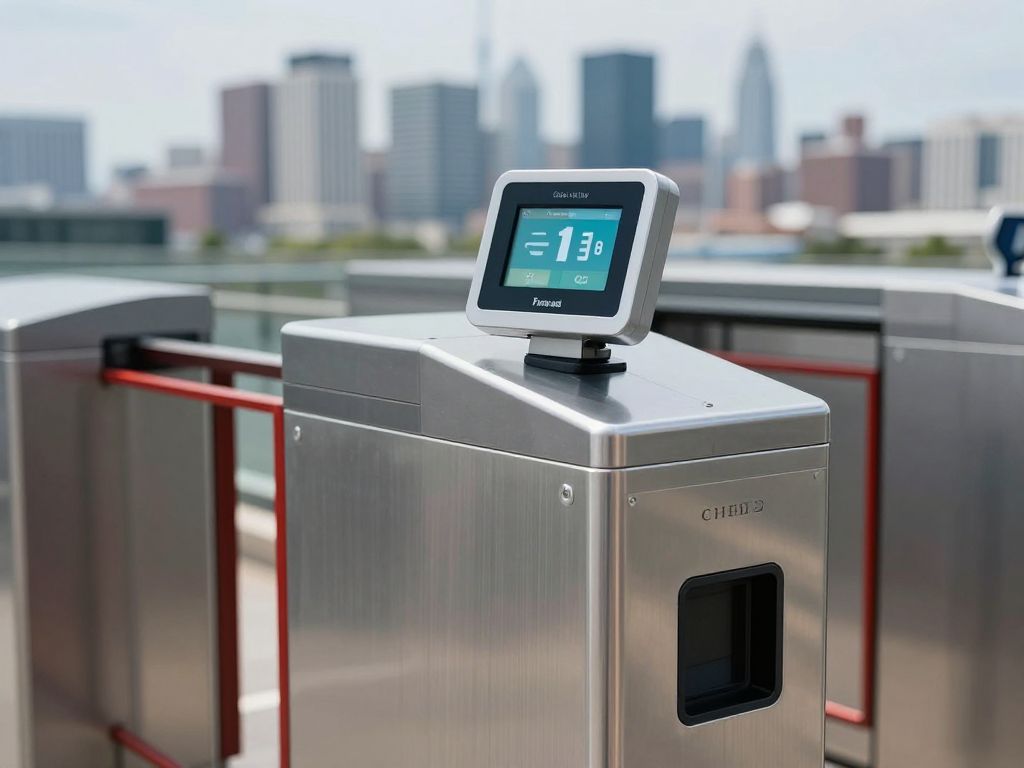
The venerable MetroCard, which itself replaced the subway token over three decades ago, is completing its service. As of December 31, it will no longer be possible to buy or refill a MetroCard. The system is moving entirely to modern tap-and-go fares, utilizing Near Field Communication (NFC) technology. This transition means commuters can simply tap a credit card, debit card, or a digital wallet on their smartphone or smartwatch to pay for their rides. This simplifies the fare payment process, eliminating the need to navigate complex fare structures or worry about insufficient funds on a physical card.
Efficiency and Entrepreneurial Spirit
The move to tap-and-go fares is a testament to the ongoing drive for efficiency that characterizes much of entrepreneurial innovation. By removing the physical barrier of a card and its associated infrastructure (like vending machines and refill stations), the system reduces operational costs and streamlines the boarding process. For Boston MA business owners, this efficiency translates directly into saved time for employees and customers alike, fostering a more dynamic urban environment. The ability to pay seamlessly encourages greater use of public transit, potentially increasing foot traffic for Boston small business establishments located near transit hubs.
A Lesson in Adapting to Market Demands
This modernization effort reflects an understanding of evolving consumer expectations. In an increasingly digital world, individuals expect quick, frictionless transactions. The transit system’s adaptation to these demands showcases how market forces, when allowed to drive innovation, can lead to solutions that benefit a wide populace. This responsiveness is a core principle for Massachusetts entrepreneurs striving to meet customer needs and stay competitive in a rapidly changing economy. It underscores that sometimes, the most effective “regulation” comes from the demands of the market itself.
The Ripple Effect on Urban Economies
The adoption of advanced payment systems in one major city often creates a ripple effect, encouraging other urban centers to consider similar upgrades. For Boston, observing New York’s transition provides a case study in implementing large-scale technological change within a critical public service. The smoother flow of commuters, enhanced data for transit planning, and improved public perception of a modern system all contribute to the overall health and attractiveness of an urban economy. Such improvements can draw new talent and investment, further bolstering the entrepreneurial landscape.
Beyond Transit: Broader Implications for Innovation
While the immediate impact is on transit, the underlying principles extend to various sectors. The willingness to embrace new technologies, to sunset older systems in favor of more efficient ones, and to prioritize user experience are hallmarks of a thriving, innovative ecosystem. For Boston MA business, this serves as a reminder that continuous innovation, even in established industries, is vital for sustained growth and competitiveness. Encouraging a climate where private investment in technological solutions can flourish without undue impediments is key to supporting Massachusetts entrepreneurs in their pursuit of economic advancement.
Conclusion: A Forward Path for Urban Commerce
New York’s full embrace of tap-and-go fares is more than just a transit upgrade; it is a clear signal of an urban economy adapting to the future. It champions the kind of practical innovation and enhanced convenience that both residents and businesses appreciate. For the Boston community, this transition serves as an encouraging example of how leveraging technology can improve daily life and foster a more vibrant economic environment. We encourage our readers to support Boston small business owners and Massachusetts entrepreneurs who continually seek out and implement such innovative solutions, driving forward our local economy and ensuring Boston’s position as a hub of progress and opportunity.
Frequently Asked Questions
- What change is occurring with the New York subway fare system?
- The New York City subway system is fully transitioning to tap-and-go fares, ending the MetroCard era.
- When will the MetroCard no longer be available for purchase or refill?
- The last day to buy or refill a MetroCard is December 31.
- What technology is replacing the MetroCard for subway fares?
- The New York City subway system is moving entirely to tap-and-go fares, utilizing Near Field Communication (NFC) technology.
Key Features of New York Subway’s Fare System Transition
| Feature | Old System (MetroCard) | New System (Tap-and-Go) |
|---|---|---|
| Fare Medium | Physical gold-hued card with magnetic strip | Credit card, debit card, smartphone, smartwatch (NFC technology) |
| Payment Method | Purchase/refill card at machines or booths | Tap directly at turnstile |
| Ease of Use | Can be finicky; requires physical card management | Seamless, convenient, reduces friction |
| Operational Efficiency | Requires infrastructure for card issuance and refills | Streamlined, reduced operational costs for physical infrastructure |
| Last Day to Buy/Refill MetroCard | December 31 | N/A (system no longer used for new purchases/refills) |
Deeper Dive: News & Info About This Topic
HERE Resources

Author: STAFF HERE BOSTON WRITER
The BOSTON STAFF WRITER represents the experienced team at HEREBoston.com, your go-to source for actionable local news and information in Boston, Suffolk County, and beyond. Specializing in "news you can use," we cover essential topics like product reviews for personal and business needs, local business directories, politics, real estate trends, neighborhood insights, and state news affecting the area—with deep expertise drawn from years of dedicated reporting and strong community input, including local press releases and business updates. We deliver top reporting on high-value events such as Boston Marathon, Head of the Charles Regatta, and Boston Harborfest. Our coverage extends to key organizations like the Greater Boston Chamber of Commerce and Associated Industries of Massachusetts, plus leading businesses in finance, biotech, and insurance that power the local economy such as Fidelity Investments, Biogen, and Liberty Mutual Insurance. As part of the broader HERE network, we provide comprehensive, credible insights into Massachusetts's dynamic landscape.