

Boston, MA, December 31, 2025
In 2026, the Massachusetts real estate market experiences a transformative shift known as “The Great Thaw.” This change signifies a departure from market stagnation, marked by increased property listings and active buyer engagement. With renewed confidence, both sellers and buyers are adapting to current economic realities, showcasing the entrepreneurial spirit prevalent in the region. The resulting dynamism is expected to drive economic growth across Massachusetts, impacting local businesses and fostering a vibrant community.
Boston, MA – After a period marked by cautious anticipation and fluctuating conditions, the Massachusetts real estate market is entering a pivotal year, 2026. This year signifies a widespread acceptance of a new normal, a phenomenon described by many as “The Great Thaw.” This transition reflects a commendable spirit of resilience and adaptability among sellers, buyers, and the myriad of industry professionals who navigate this vital sector, collectively moving past a previous stalemate with renewed vigor and determination.
For an extended period, many market participants held back, waiting for a return to what they considered “normal” conditions. However, the current landscape in Massachusetts, particularly in Greater Boston, indicates a decisive shift. The hesitation is being replaced by a pragmatic drive to engage, reflecting a deeper understanding that the market, while evolved, remains a robust avenue for personal achievement and investment. This shift is not merely transactional; it embodies the entrepreneurial spirit of Massachusetts entrepreneurs who are constantly adjusting strategies to meet evolving demands, ensuring the continued dynamism of Boston MA business.
This renewed dynamism, characterized by increased property listings and active bidding, is a strong indicator of the market’s underlying strength. It highlights the resolve of Boston small business owners and individual homeowners alike to navigate current economic realities effectively, contributing significantly to the overall economic growth of the region.
The Market’s Evolution in Massachusetts
The concept of a “new normal” in Massachusetts real estate for 2026 signifies a decisive departure from past uncertainties and prolonged waiting periods. Rather than passively anticipating a return to pre-pandemic or pre-interest-rate-hike conditions, market participants across the state are now operating with a clear understanding of the current economic landscape. This adaptation is a testament to the inherent flexibility of a free market, where the collective decisions of individuals and businesses—guided by the fundamental forces of supply and demand—determine the overall trajectory. The willingness of both buyers to bid and sellers to list demonstrates a renewed confidence in the market’s stability and its long-term prospects. This pragmatic acceptance is crucial for fostering sustainable economic growth and maintaining a healthy, vibrant housing sector that serves the diverse needs of the Commonwealth’s residents. It underscores the innovative ways Massachusetts entrepreneurs are finding solutions and pathways forward, even in a changing environment.
For a time, many individuals and businesses found themselves in a holding pattern, hoping for a return to familiar market rhythms. This waiting game, while understandable, led to a certain degree of market stagnation. The “Great Thaw” represents an active move away from this inertia. It reflects a collective decision to adapt to prevailing interest rates, inventory levels, and pricing structures, recognizing them as the current reality rather than temporary anomalies. This forward-thinking approach by sellers, who are now more willing to list, and buyers, who are ready to make competitive offers, injects much-needed liquidity and activity into the market, benefiting everyone from first-time homebuyers to seasoned investors and the Boston small business ecosystem that supports them.
Greater Boston’s Pragmatic Push
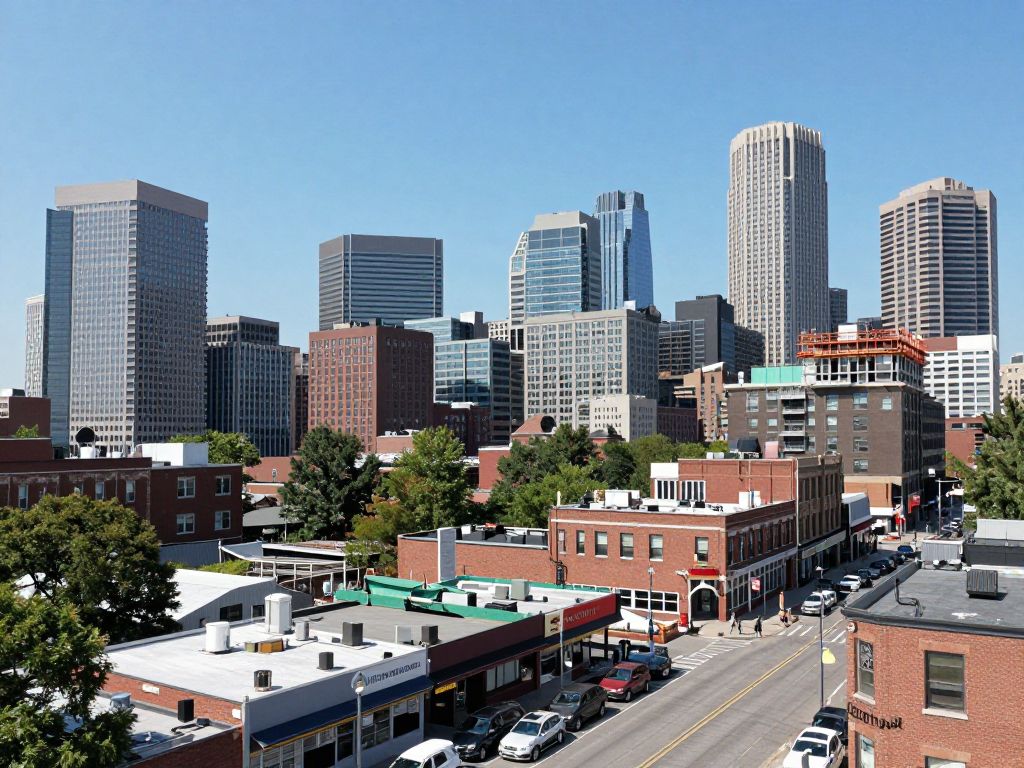
Within Greater Boston, the shift from hesitation to active engagement is particularly palpable and noteworthy. The urban and suburban landscape is buzzing with renewed real estate activity, as a noticeable surge in property listings meets an equally robust increase in buyer interest and competitive bidding. This pragmatic engagement is a powerful testament to the entrepreneurial spirit prevalent throughout Boston MA business. It showcases the determination of individuals and families who are actively making significant life decisions, choosing to invest in homes, establish roots, and contribute to the fabric of their chosen communities. This commitment to homeownership and investment, even amidst evolving conditions, is a fundamental driver of local commerce and provides a vital boost to a myriad of Boston small businesses. From real estate agencies and independent brokers to contractors, landscapers, moving companies, and local cafes benefiting from new residents, the ripple effect of this renewed activity is widespread. The proactive stance of Greater Boston’s market participants not only helps to maintain but actively enhances the economic health and vitality of this dynamic metropolitan area, fostering an environment ripe for further economic growth. This resilience and willingness to adapt are hallmarks of a thriving local economy, demonstrating that challenges are met with innovative solutions and steadfast determination.
Entrepreneurial Innovation in Real Estate
The revitalization evident in the Massachusetts real estate market extends beyond mere transactions; it underscores the entire ecosystem it supports, particularly highlighting the spirit of entrepreneurial innovation. Local real estate agents, property managers, construction firms, and financial service providers—many of whom are Massachusetts entrepreneurs—are not just reacting to changes; they are actively innovating their approaches to meet evolving market demands and consumer expectations. This adaptability is critical, showcasing how private enterprise can efficiently reorient itself to serve a dynamic market. For instance, new technologies are being adopted for virtual tours and streamlined paperwork, while financing options are creatively tailored to current economic realities.
This responsiveness underscores the importance of a clear, predictable, and supportive regulatory environment. When the framework within which businesses operate encourages rather than hinders flexibility and innovation, it often leads to more efficient market operations, better outcomes for consumers, and a more robust local economy. Entrepreneurs thrive on the ability to anticipate and respond to market needs with agility, and the current real estate landscape in Massachusetts is a testament to this principle. This fosters a competitive environment where the best ideas and most efficient services rise to the top, further fueling economic growth and creating new opportunities across various related industries.
Community Vitality and Investment
The renewed activity within the real estate sector contributes significantly to the overall vitality of communities across Massachusetts. As properties change hands, new residents move in, and existing ones adapt, a natural cycle of investment and growth is initiated. This investment is not limited to real estate itself; it extends to local businesses, community services, schools, and infrastructure improvements. For instance, an increase in home sales often leads to increased spending on home renovations, furnishings, and local services, providing a direct boost to Boston MA business.
This cycle reinforces the strength of the local economy and contributes to the overall prosperity of the state. It highlights how individual decisions within the real estate market—whether buying a home, selling a property, or investing in commercial space—have a profound ripple effect, strengthening community bonds and fostering a thriving local economy. The confidence demonstrated by buyers and sellers in 2026 translates into tangible benefits for neighborhoods, creating a more stable and attractive environment for both residents and businesses. This sustained community involvement and private investment are key pillars of enduring economic growth for Massachusetts.
In summary, 2026 marks a significant and welcome turning point for the Massachusetts real estate market, as it confidently embraces a new normal with pragmatic optimism. The determination and adaptability shown by Massachusetts entrepreneurs, Boston small business owners, and individual market participants are driving this positive shift, transforming a period of stalemate into one of active engagement. As sellers list their properties and buyers actively participate in bidding, the Greater Boston area particularly exemplifies a vibrant and resilient economic landscape, poised for continued economic growth. We encourage our readers to actively support the diverse array of Boston MA businesses that contribute immensely to our community’s strength and prosperity, and to stay engaged with the ongoing evolution of our dynamic local economy. By participating in and understanding these vital market dynamics, we collectively contribute to a stronger, more vibrant Boston for everyone.
Frequently Asked Questions
- What is “The Great Thaw” in Massachusetts real estate?
- “The Great Thaw” refers to a significant shift in the Massachusetts real estate market in 2026, signaling a widespread acceptance of a new normal, moving past a previous stalemate with renewed vigor and determination.
- When is “The Great Thaw” occurring in Massachusetts real estate?
- “The Great Thaw” is occurring in 2026, marking a pivotal year for the Massachusetts real estate market.
- What characterizes the real estate market in Greater Boston during this period?
- In Greater Boston, the market is characterized by increased activity, with more sellers listing their properties and buyers actively participating in the bidding process. This reflects a pragmatic drive to engage with the market.
- What does the “new normal” signify for Massachusetts real estate?
- The “new normal” in Massachusetts real estate for 2026 signifies a departure from past uncertainties and prolonged waiting periods. Market participants are operating with a clear understanding of the current economic landscape, adapting to prevailing interest rates, inventory levels, and pricing structures.
- How does renewed real estate activity contribute to community vitality in Massachusetts?
- Renewed activity in the real estate sector contributes significantly to the overall vitality of communities across Massachusetts. As properties change hands, new residents move in, and existing ones adapt, a natural cycle of investment and growth is initiated, extending to local businesses, community services, schools, and infrastructure improvements.
Key Features of the Massachusetts Real Estate Market in 2026
| Feature | Description | Geographic Scope |
|---|---|---|
| The Great Thaw | A significant shift in the real estate market in 2026, indicating widespread acceptance of a new normal. | State-level |
| New Normal Acceptance | Market participants are operating with a clear understanding of current economic realities, adapting to prevailing interest rates and market conditions. | State-level |
| Greater Boston Activity | Characterized by increased activity, with more sellers listing properties and buyers actively participating in bidding, replacing previous stalemate. | State-level |
| Pragmatic Drive | A shift from hesitation to active engagement in the market, reflecting a determination to move forward with transactions and investments. | State-level |
| Entrepreneurial Innovation | Real estate professionals and related businesses are adapting and innovating approaches to meet evolving market demands and consumer expectations. | State-level |
| Community Vitality | Renewed real estate activity leads to increased investment in local businesses, community services, schools, and infrastructure improvements. | State-level |
Deeper Dive: News & Info About This Topic
HERE Resources
Boston’s 30+ Back Bay Ball Celebrates the New Year
Boston Welcomes 2026 with Vibrant New Year’s Celebrations
Boston’s 2026 Horizon: Major Developments on the Rise
Unpacking the Rise of Million-Dollar Neighborhoods in Massachusetts
Threats Highlight Academic Freedom Concerns at Boston University
Strengthening Boston’s Economy Through Local Entrepreneurship
Boston Office Market Faces 20% Vacancy but Signs of Recovery Emerge
Boston Area Sees Major Apartment Sale in Watertown
Boston Businesses Navigate Tariff Headwinds
Boston Corporate Complex Acquisition Signals Change

Author: STAFF HERE BOSTON WRITER
The BOSTON STAFF WRITER represents the experienced team at HEREBoston.com, your go-to source for actionable local news and information in Boston, Suffolk County, and beyond. Specializing in "news you can use," we cover essential topics like product reviews for personal and business needs, local business directories, politics, real estate trends, neighborhood insights, and state news affecting the area—with deep expertise drawn from years of dedicated reporting and strong community input, including local press releases and business updates. We deliver top reporting on high-value events such as Boston Marathon, Head of the Charles Regatta, and Boston Harborfest. Our coverage extends to key organizations like the Greater Boston Chamber of Commerce and Associated Industries of Massachusetts, plus leading businesses in finance, biotech, and insurance that power the local economy such as Fidelity Investments, Biogen, and Liberty Mutual Insurance. As part of the broader HERE network, we provide comprehensive, credible insights into Massachusetts's dynamic landscape.