

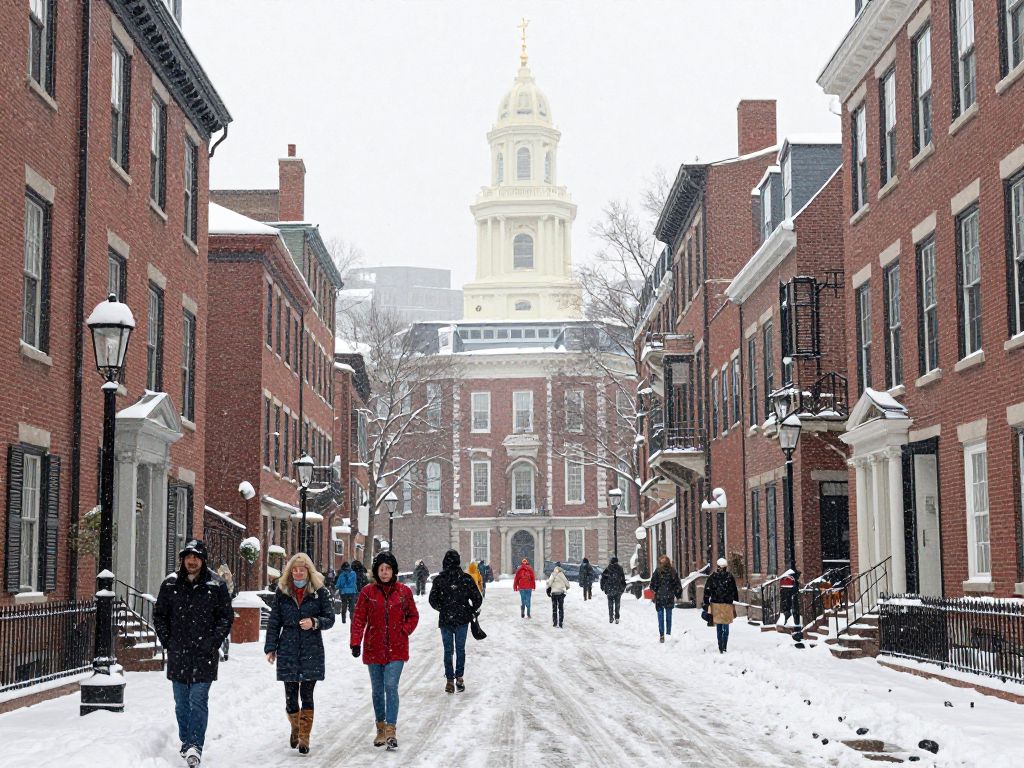
Boston, January 13, 2026
Boston is gearing up for a return to winter weather as forecasts indicate the potential for two snow events this week. Following a period of unseasonably mild temperatures, the region braces for colder conditions that may signal the end of the warm respite. Residents are urged to prepare for snowfall, while also being mindful of a significant drought impacting parts of Northeast Massachusetts. Community preparedness and individual initiative are crucial as Bostonians adapt to these weather changes.
Boston
Headline: Boston Prepares for Winter’s Return: Snow Chances Ahead
Subheadline: After a surprisingly mild stretch, Boston and the wider Massachusetts region brace for the potential of two snow events this week, signaling a return to more traditional winter conditions.
Boston, MA – The recent unseasonably mild temperatures have offered a welcome respite for many, but as New Englanders know, winter in Massachusetts is always ready to make its presence felt. This unexpected warmth has allowed for a brief period of outdoor activity, a testament to the community’s adaptable spirit. However, this mild interlude is drawing to a close, with forecasts indicating a shift back to more familiar winter weather patterns. The upcoming days are poised to challenge residents to once again embrace the elements, a cycle that underscores the resilience embedded in our local culture. This transition highlights the individual preparedness and civic responsibility that Bostonians consistently demonstrate in the face of changing seasons.
While a rapid warm-up has been forecast across much of the Lower 48 states today and Tuesday, locally in Massachusetts, this mildness has raised some concerns. A notable lack of consistent snowfall and rainfall has contributed to what some are calling a “significant” drought in parts of Northeast Massachusetts. This development reminds us of the delicate balance between environmental factors and community needs, often prompting discussions around resource management and long-term planning, where personal initiative and local solutions play a crucial role.
The Immediate Forecast: A Shift to Cooler Conditions
After enjoying a period of relatively quiet weather, Boston and the broader Massachusetts area are now looking towards a more active forecast. The National Weather Service anticipates overall quiet weather through Tuesday, followed by a chance of rain or snow overnight, particularly affecting northern Massachusetts. This initial atmospheric shift will set the stage for colder temperatures, signaling an end to the unseasonably mild conditions that have characterized the start of the week. The gradual return to cooler, more typical winter weather provides an opportunity for residents to engage in proactive planning, ensuring homes and vehicles are prepared for the change.
Quiet Start, Active End to the Week
The transition in weather patterns often highlights the efficiency of local communication networks. While specific local advisories will be issued as needed, the early warnings allow individuals and local businesses to adjust schedules and operations with minimal disruption. This self-organizing capability within the community reduces the need for extensive top-down directives, fostering a more agile response to changing conditions.
Massachusetts Braces for Snowfall
Residents across the Commonwealth should prepare for at least two distinct opportunities for snow to fall across the region later this week. These potential snow events are expected to precede a more significant drop in temperatures, bringing a definitive end to the unseasonably mild conditions that have prevailed. The prospect of snowfall, while sometimes inconvenient, also evokes a sense of shared experience, bringing communities together as they collectively navigate winter’s challenges.
Two Distinct Chances for Winter Precipitation
These anticipated snowfall events are a reminder of the dynamic nature of New England weather. Early forecasts indicate a period of rain or snow Thursday night into Friday morning. Another threat of snow is expected late Saturday into Sunday, though this storm is currently trending to be too disorganized for significant snow accumulations. The exact timing and accumulation totals will become clearer as the week progresses, but the forewarning allows individuals to take personal initiative in their preparations. This might include checking snow removal equipment, stocking up on essential supplies, or making alternative travel arrangements. Such independent actions, aggregated across the community, contribute significantly to overall civic preparedness.
Impact on Daily Life and Local Preparedness
The return of wintry weather inevitably impacts daily routines. Commuters may need to adjust their travel plans, and local businesses might see shifts in customer foot traffic. Travel impacts are possible along major corridors such as Interstate 90 (Mass Pike), Interstate 93, Route 2, and commuter rail lines, particularly during early-morning and evening commute periods if snow develops. Public transit users, students, healthcare workers, and freight operators may face delays. However, Boston’s robust community infrastructure, supported by individual resourcefulness, is well-equipped to handle these changes. Local leaders and community organizations often play a pivotal role in disseminating information and coordinating efforts, demonstrating the power of civic engagement over centralized directives.
Addressing Drought Concerns Amidst Shifting Weather Patterns
The recent mild weather, while offering a temporary reprieve from severe winter conditions, has contributed to an emerging environmental challenge. A “significant” drought has been declared for the Northeast and Central Regions of Massachusetts, worsening to a Level 2 status. An area of north central Massachusetts and Nantucket County have even been classified as being in “critical drought” conditions. This situation emphasizes the importance of understanding local ecological needs and how individual actions, combined with communal efforts, can help manage water resources. This issue brings to light the necessity of a balanced approach to environmental stewardship, where personal responsibility complements broader conservation strategies.
Northeast MA Faces “Significant” Water Deficit
The identification of a drought in parts of Northeast Massachusetts serves as a critical reminder of the interconnectedness of our natural systems. The Drought Management Task Force analyzed data from August 2024 through December 2025, finding that despite minor improvements, drought conditions have continued in most of Massachusetts. Officials highlight that continued snow and rainfall are needed to alleviate the drought many regions are experiencing this winter. Groundwater levels still need to recover, and as the growing season approaches, residents are encouraged to follow state guidance and local water restrictions. This situation has had significant impacts on the natural environment, including drying streams, lower water levels in lakes and ponds, and impeding fish passage.
Emphasizing Local Solutions for Resource Management
Addressing a drought requires a multifaceted approach, often best driven by local insights and community engagement. Rather than relying solely on broad mandates, solutions can emerge from individual initiatives to conserve water at home and within local businesses. Recommendations include minimizing overall water use, reducing shower length, using a shower timer, running washing machines only when full, and not letting water run while brushing or shaving. Private partnerships and civic organizations can also play a vital role in educating the public and implementing sustainable practices, showcasing how localized efforts can effectively tackle environmental challenges without excessive bureaucratic intervention. While local water supplies are currently stable, it is prudent for all to be very conservative and save water whenever possible as the drought persists and winter recharge is reduced.
The Broader Picture: Nationwide Trends and Local Vigilance
Looking beyond Massachusetts, a rapid warm-up has been observed across much of the Lower 48 states today and Tuesday. While this nationwide trend has influenced our recent mild spell, it’s the localized atmospheric shifts that will dictate Boston’s immediate future. This interplay between large-scale weather phenomena and regional conditions underscores the complexity of forecasting and the importance of hyper-local information.
Rapid Warm-Up Across the Lower 48
The broad warming trend across the United States highlights the dynamic nature of global weather patterns. Most of the U.S. started the week calm and unseasonably warm, with the Heartland experiencing highs 25–30° above average. Only the Gulf Coast has remained chilly. While Boston experiences its own unique climate variations, being aware of these larger trends provides a valuable context for understanding local forecasts. It also allows for individual comparisons and insights into how different regions adapt to their specific weather challenges.
Understanding National Weather Advisories
The National Weather Service continues to monitor various advisories that could be active across the country, including Wind Advisory, Frost Advisory, Low Water Advisory, Winter Storm Watch, and Rip Current Advisory. While specific local advisories will be issued for Massachusetts as needed, this broader context highlights the dynamic nature of weather systems. It reinforces the individual responsibility to consult local and timely updates, rather than relying on generalized information, ensuring personal safety and preparedness. As of October 2024, some NWS products like Wind Chill Watch, Warning, and Advisory were consolidated into Extreme Cold Watch and Warning and Cold Weather Advisory products.
Embracing the Return of Colder Temperatures
Following the potential snow events, significantly colder weather is anticipated to grip the entire region once again, with highs expected to be back in the 20s next week. This shift will require residents to transition back to full winter precautions, reinforcing the importance of personal preparedness and the self-sufficiency often characteristic of New Englanders. The community’s ability to adapt swiftly to such changes, often through individual initiative and mutual aid, is a hallmark of Boston’s enduring character.
Personal Initiative in Winter Preparedness
As temperatures drop, the effectiveness of winter preparedness often comes down to individual foresight. Actions such as ensuring adequate home heating, maintaining vehicles, and having emergency supplies on hand are not just personal conveniences but contribute to the overall resilience of the community. This emphasis on personal responsibility empowers citizens to be active participants in their own safety and comfort, rather than passively awaiting external assistance.
Community Resilience in the Face of Climate Shifts
Boston’s long history with harsh winters has fostered a strong sense of community resilience. When extreme weather strikes, it’s often the grassroots efforts, neighbors helping neighbors, and local businesses stepping up that make the biggest difference. This organic response, often unburdened by extensive bureaucratic processes, exemplifies how a community can thrive through shared challenges, demonstrating collective achievement through individual actions. Expect cooler weather in the coming days in Massachusetts, with forecasts suggesting temperatures lower than the historical average for January.
Conclusion:
As Boston prepares to welcome back more traditional winter weather, the coming days offer a reminder of New England’s dynamic climate. The transition from a mild stretch to potential snow and colder temperatures highlights both the beauty and challenges of our natural environment. This period underscores the importance of individual vigilance, community preparedness, and the ability of residents to adapt and support one another. We encourage everyone to stay informed about local forecasts and contribute to the collective resilience that defines our city. By actively engaging with local updates and preparing proactively, Bostonians exemplify the spirit of a thriving community. Stay warm, stay safe, and let’s navigate these changing conditions together.
SEO Keywords: Boston MA weather, Massachusetts snow forecast, Northeast MA drought, Boston community preparedness, New England winter.
Frequently Asked Questions About Massachusetts’ Upcoming Weather
- What are the upcoming weather threats for Massachusetts?
- Massachusetts residents should prepare for at least two distinct opportunities for snow to fall across the region later this week. These snow events are expected to precede a more significant drop in temperatures, bringing an end to the unseasonably mild conditions.
- What is the current drought situation in Northeast Massachusetts?
- A “significant” drought has been declared for the Northeast and Central Regions of Massachusetts, worsening to a Level 2 status. An area of north central Massachusetts and Nantucket County have even been classified as being in “critical drought” conditions.
- What is the nationwide weather forecast for today and Tuesday?
- A rapid warm-up has been observed across much of the Lower 48 states today and Tuesday.
- When is colder weather expected to return to Massachusetts?
- Significantly colder weather is anticipated to grip the entire region once again following the potential snow events, with highs expected to be back in the 20s next week.
- What kind of weather advisories are currently being monitored by the National Weather Service?
- The National Weather Service continues to monitor various advisories that could be active across the country, including Wind Advisory, Frost Advisory, Low Water Advisory, Winter Storm Watch, and Rip Current Advisory.
Key Weather Features and Their Impact
| Feature | Description | Geographic Scope | Potential Impact / Implication |
|---|---|---|---|
| Mild Stretch Ending | Unseasonably warm temperatures giving way to colder conditions. | Massachusetts | Requires residents to adapt to changing conditions and prepare for winter. |
| Two Snow Chances | At least two distinct opportunities for snow later in the week. | Massachusetts | Precedes colder weather, requires individual and community preparedness, potential travel disruptions. |
| Significant Drought | Lack of snow and rain leading to a water deficit in certain areas. | Northeast MA, Central MA, Millers River Basin, Nantucket County | Emphasizes local solutions for resource management, water conservation, and impact on natural environment. |
| Rapid Warm-Up | Temperatures increasing across a large portion of the country. | Nationwide (Lower 48 states) | Influences local mild spell, but regional shifts dictate Boston’s immediate future. |
| Colder Weather Return | Significantly colder temperatures expected after snow events, with highs in the 20s next week. | Massachusetts | Requires full winter precautions and reinforces personal initiative in preparedness. |
| NWS Advisories | Monitoring of various advisories like Wind, Frost, Low Water, Winter Storm, Rip Current. | Nationwide | Highlights dynamic weather systems and the need for local, timely updates and individual safety. |
Deeper Dive: News & Info About This Topic
HERE Resources
Bloom Boston: Seniors Thrive in Floral Design Workshop
Award-Winning Boston Steakhouse Closes After 14 Years
Boston’s CEO Turnover Stabilizes, Increasing Business Confidence
Boston’s Economy: Navigating a Shifting Job Market
Suffolk Rams Claim Victory Over UNE in Conference Matchup
Tech Drives Business Forward: Lessons for Boston
MIT Advances Climate Science with Heat Wave Prediction Research
Navigating Boston’s Nor’easter Spirit
Boston College Women’s Basketball Faces Tough Loss Against North Carolina
Nation Braces for Winter Storm as Policy Changes Unfold

Author: STAFF HERE BOSTON WRITER
The BOSTON STAFF WRITER represents the experienced team at HEREBoston.com, your go-to source for actionable local news and information in Boston, Suffolk County, and beyond. Specializing in "news you can use," we cover essential topics like product reviews for personal and business needs, local business directories, politics, real estate trends, neighborhood insights, and state news affecting the area—with deep expertise drawn from years of dedicated reporting and strong community input, including local press releases and business updates. We deliver top reporting on high-value events such as Boston Marathon, Head of the Charles Regatta, and Boston Harborfest. Our coverage extends to key organizations like the Greater Boston Chamber of Commerce and Associated Industries of Massachusetts, plus leading businesses in finance, biotech, and insurance that power the local economy such as Fidelity Investments, Biogen, and Liberty Mutual Insurance. As part of the broader HERE network, we provide comprehensive, credible insights into Massachusetts's dynamic landscape.