
Boston, MA, January 28, 2026
This article delves into the historical significance of local photojournalism in capturing the essence of Boston’s South Shore during the 1970s and 1980s. By documenting community life and major events such as the Boston busing crisis, photojournalists like Craig Murray played a crucial role in preserving the narrative of civic engagement, societal shifts, and local traditions in the region. Through their work, they provided invaluable insights into how individual and collective actions shaped the character and resilience of the community.
Boston, MA
Capturing a Community: A South Shore Photojournalist’s 70s & 80s Lens
Step back in time to the vibrant, formative decades of the 1970s and 1980s on Boston’s South Shore, as seen through the dedicated lens of a local photojournalist. This era, marked by significant societal shifts and unwavering community spirit, offers valuable insights into how individual initiative and civic engagement shaped the region’s unique character.
Local photojournalism serves as an invaluable historical record, preserving the triumphs and trials that define a community’s journey. Before the pervasive influence of digital media, photojournalists were the primary visual chroniclers of local life, offering a unique perspective on civic innovation and personal achievement. Their work provides a window into the past, highlighting the resilience and collaborative efforts that often thrive at the local level, fostering community growth and documenting the evolution of public discourse and collective action.
A Front-Row Seat to South Shore History
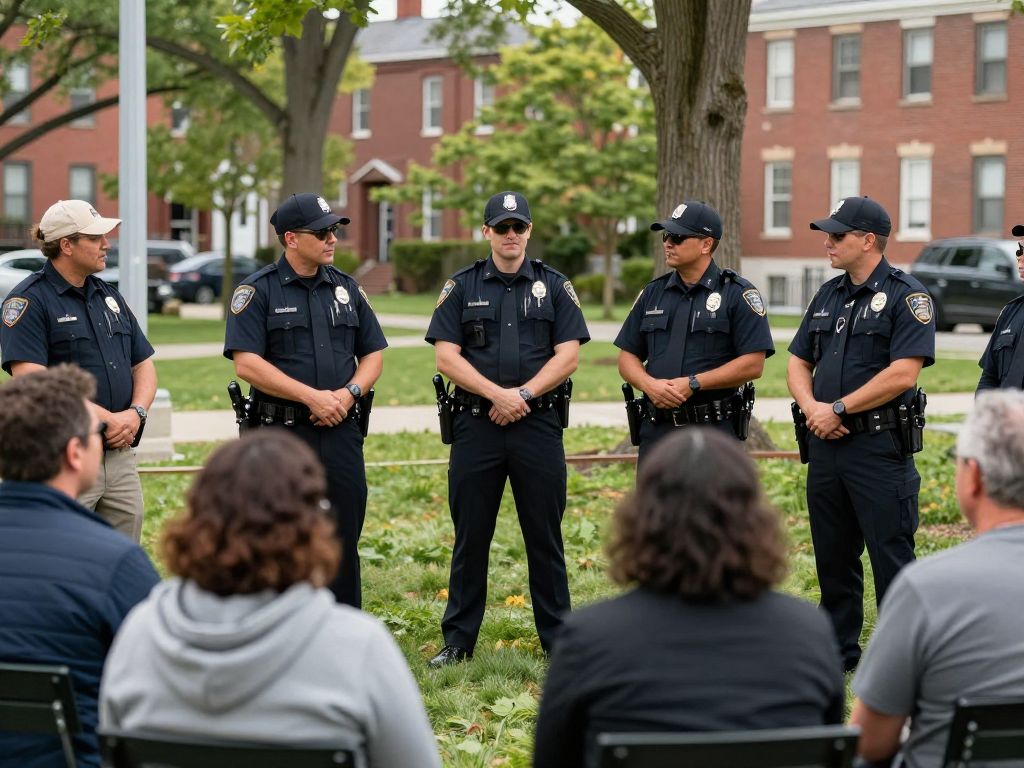
Beginning his career in 1974, photojournalist Craig Murray started covering a range of assignments for a local newspaper, including regular busing assignments and other community events. His role offered him a unique “front row seat to history,” capturing moments that might otherwise fade from collective memory. This period was particularly dynamic for Massachusetts and the South Shore, encompassing significant social changes and local developments.
The 1970s and 1980s were decades of profound transformation for Boston and its surrounding communities, including the South Shore. One of the most significant narratives Murray likely documented was the Boston busing crisis. This era, beginning in 1974 with a federal court order for school desegregation, sparked considerable discussion and protest across the city. By 1975, approximately half of Boston’s students were expected to ride buses as part of the desegregation plan. The photojournalist’s role during such intense times was crucial in documenting the unfolding events and the varied community responses, offering a visual record of a challenging period in local civic life. The federal court eventually vacated Boston Public Schools from the desegregation order in 1985.
Documenting Community Life and Civic Evolution
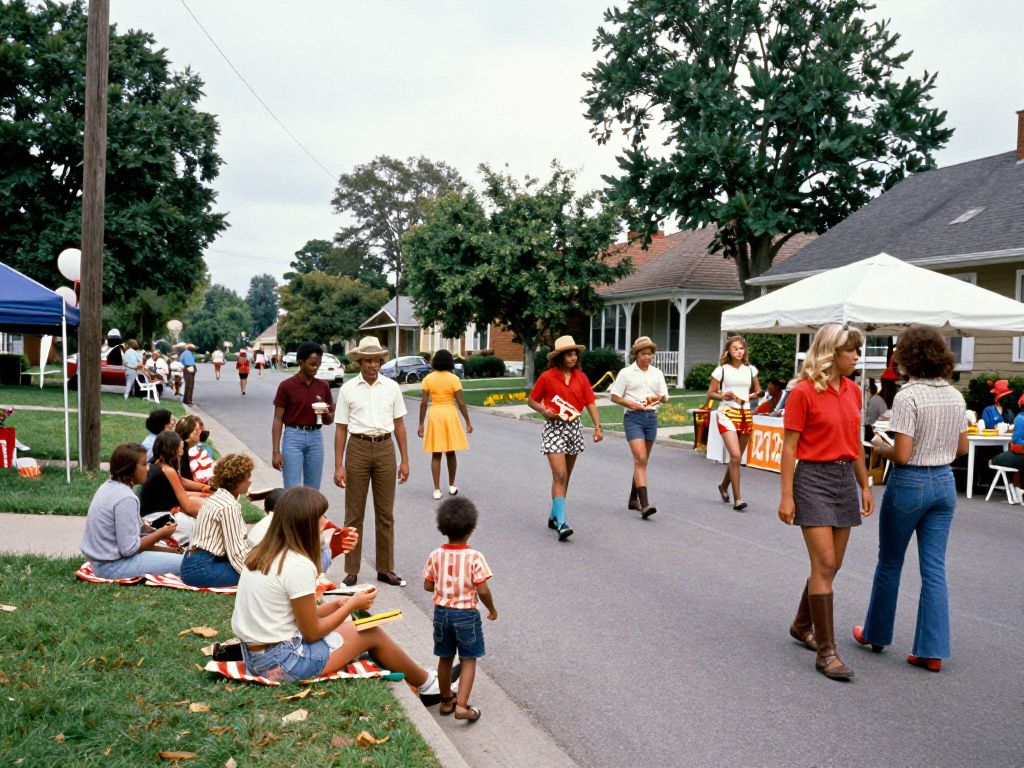
Beyond the major headlines, a local photojournalist’s work illuminated the everyday fabric of South Shore communities. Towns like Randolph, situated south of Boston, exemplified a prevalent community experience during the 1960s into the 1980s, often characterized by a strong sense of shared life for children and teenagers. This period saw families migrating from Boston neighborhoods seeking single-family homes and enhanced educational prospects in the surrounding towns.
The photographic records from this era capture community traditions and institutions that played a significant role in fostering shared experiences. Religious organizations, such as churches and synagogues, were central to social engagement, often hosting dances and youth activities like Catholic Youth Organization (CYO) baseball for boys and softball for girls. These activities underscore the local initiative in providing constructive outlets and building social cohesion, often with limited formal bureaucratic oversight. Homes were typically smaller, around 1,000 square feet, and families often managed finances week to week, with children sharing bedrooms and many lunches packed from home for school. This snapshot of daily life reveals a community built on resourcefulness and close-knit relationships.
The Shifting Sands of Engagement
The 1970s and 1980s also marked a subtle but significant shift in how communities engaged. The expansion of cable television in the late 1970s and early 1980s began a transition from communal, shared viewing experiences of broadcast television to a more individualized, on-demand consumption of media. This evolving media landscape mirrors broader changes in community interaction, moving from collective gathering around a single screen to more personal forms of entertainment.
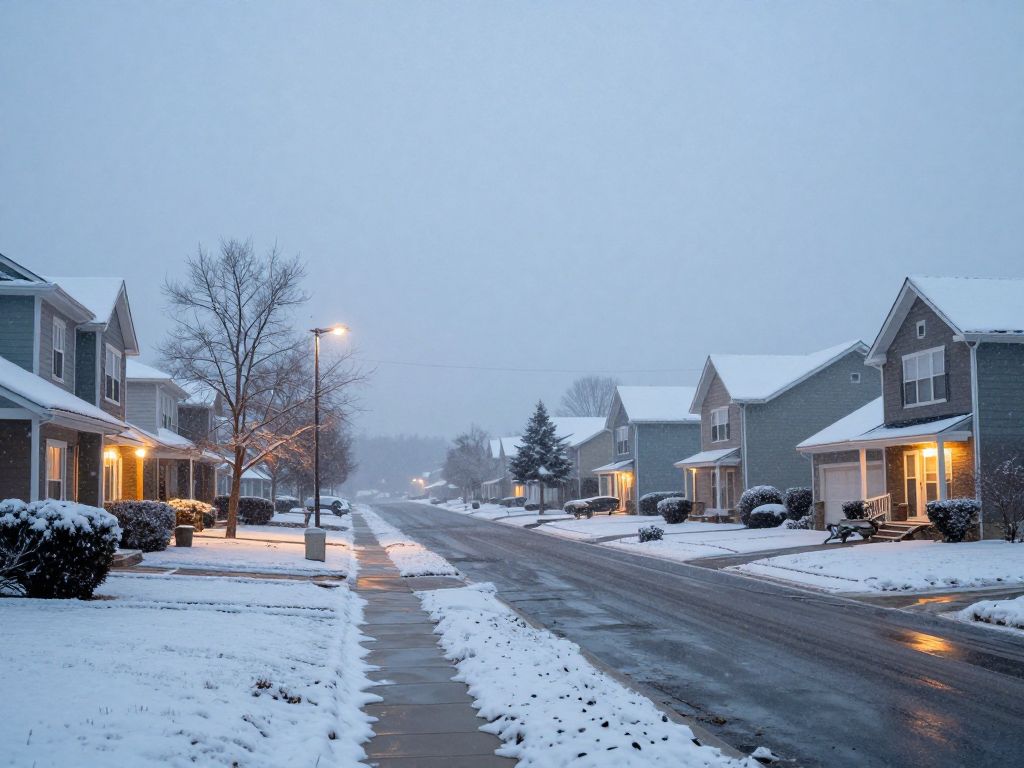
Despite these shifts, local events continued to bring people together. A vivid example of resilience and community action during this period was the Northeastern United States blizzard of 1978. This historic storm severely impacted Massachusetts, including coastal areas of the South Shore, with record snowfall and destructive winds. Such events often spurred extraordinary individual initiative and neighbor-helping-neighbor efforts, which a local photojournalist would capture, demonstrating the innate capacity of communities to unite in times of challenge.
The Enduring Legacy of Local Storytelling
Local newspapers, like The Patriot Ledger based in Quincy on Boston’s South Shore, served as vital institutions in the 1970s and 1980s. They were essential training grounds for journalists, teaching them to cover everything from public meetings and local government to community happenings and pressing incidents like fires and shootings. These publications were often family-owned, with publishers viewing themselves as stewards of the community, deeply invested in documenting local life. This dedication to local storytelling ensured that the unique character of the South Shore, its challenges, and its achievements were recorded for posterity.
The photographs from this era offer more than just nostalgia; they provide a factual foundation for understanding the evolution of our communities. They highlight periods where local leadership and individual choice were paramount in shaping the civic landscape, often in ways that fostered strong social bonds and self-reliance. The absence of extensive bureaucracy sometimes allowed for more agile community responses and initiatives, demonstrating the power of direct local engagement.
Conclusion
The photographic archives from the 1970s and 1980s on the South Shore, particularly those documenting everything from busing assignments to local events, are a testament to a dynamic period in Massachusetts history. They capture the essence of community life, the challenges faced, and the proactive spirit of individuals and local groups in shaping their environment. These visual records remind us of the enduring value of civic involvement and the power of local initiative.
HEREBoston.com encourages all readers to explore and appreciate the rich history of our local communities. Engaging with these stories from the past can inspire renewed civic innovation and strengthen the bonds that make the Boston area a unique place to live and thrive. Let’s continue to support and participate in the local events and initiatives that define our collective future, recognizing the personal efforts that contribute to the greater good of our South Shore community and the larger Boston MA events landscape. Understanding Massachusetts history through the eyes of a local photojournalist offers valuable insights into ongoing civic engagement.
Frequently Asked Questions
- What significant event did photojournalist Craig Murray begin covering in 1974?
- Photojournalist Craig Murray began covering regular busing assignments and other local events for a local newspaper in 1974.
- What was the primary cause of the Boston busing crisis in the 1970s?
- The Boston busing crisis began in 1974 due to a federal court decision ordering the desegregation of Boston schools through busing.
- How did community life in South Shore towns like Randolph generally operate in the 1960s-1980s?
- Community life in South Shore towns like Randolph in the 1960s into the 1980s was often characterized by a strong sense of shared experience for children and teenagers, with social engagement provided by community institutions like churches and synagogues.
- What major natural disaster affected Massachusetts, including the South Shore, in 1978?
- The Northeastern United States blizzard of 1978 was a historic storm that significantly impacted Massachusetts, including the South Shore, with record snowfall and high winds.
- When did the federal court vacate Boston Public Schools from the desegregation order?
- The federal court vacated Boston Public Schools from the desegregation order in 1985.
Key Features of South Shore Photojournalism in the 1970s and 1980s
| Feature | Description | Geographic Scope |
|---|---|---|
| Coverage Start Date | 1974 for photojournalist Craig Murray, including busing assignments. | Local |
| Key Event Documented | Boston busing crisis, initiated by federal court order for school desegregation. | State-level |
| Community Life Aspects | Shared experiences for youth, importance of community institutions (churches, synagogues), family-focused activities like CYO baseball and girls’ softball. | Local |
| Media Landscape Shift | Transition from shared broadcast TV viewing to more individual cable TV consumption. | Nationwide |
| Impactful Natural Event | Northeastern United States blizzard of 1978, bringing record snowfall and high winds. | State-level |
| Role of Local Newspapers | Served as vital community institutions, training grounds for journalists, and stewards of local history. | Local |
Deeper Dive: News & Info About This Topic
HERE Resources

Author: STAFF HERE BOSTON WRITER
The BOSTON STAFF WRITER represents the experienced team at HEREBoston.com, your go-to source for actionable local news and information in Boston, Suffolk County, and beyond. Specializing in "news you can use," we cover essential topics like product reviews for personal and business needs, local business directories, politics, real estate trends, neighborhood insights, and state news affecting the area—with deep expertise drawn from years of dedicated reporting and strong community input, including local press releases and business updates. We deliver top reporting on high-value events such as Boston Marathon, Head of the Charles Regatta, and Boston Harborfest. Our coverage extends to key organizations like the Greater Boston Chamber of Commerce and Associated Industries of Massachusetts, plus leading businesses in finance, biotech, and insurance that power the local economy such as Fidelity Investments, Biogen, and Liberty Mutual Insurance. As part of the broader HERE network, we provide comprehensive, credible insights into Massachusetts's dynamic landscape.