
News Summary
The Healey-Driscoll Administration in Massachusetts has announced an investment of $8.2 million in grants to expand free college credit opportunities for high school students. This initiative aims to enhance educational options, particularly for underrepresented students in the Commonwealth. The funding is expected to create 44 new partnerships between high schools and colleges, benefiting approximately 2,300 students. By integrating college courses into high school curricula, the program seeks to prepare young people for successful futures in higher education and careers.
Boston: Healey-Driscoll Administration Invests $8.2 Million to Expand Free College Credits for High School Students
Massachusetts high school students are set to gain expanded opportunities to earn college credits at no cost, thanks to a recent allocation of $8.2 million in grants by the Healey-Driscoll Administration. This investment aims to foster academic growth and prepare more young people across the Commonwealth for successful futures in higher education and the workforce. The initiative underscores a commitment to educational innovation, offering families greater choice in their children’s learning pathways and highlighting the benefits of streamlined access to higher education.
This strategic move builds upon previous efforts to enhance educational accessibility in Massachusetts, reflecting a belief that proactive measures can significantly impact personal achievement and reduce barriers to post-secondary success. By integrating college-level coursework into the high school experience, the administration seeks to empower students and strengthen the state’s talent pipeline, minimizing bureaucratic hurdles that can often impede academic progress.
Expanding Early College Programs Across Massachusetts
The Healey-Driscoll Administration recently awarded $8.2 million in designated Early College grants to expand access to programs that allow high school students to take college classes and earn college credit for free. This funding is expected to support an additional 44 new partnerships between high schools and institutions of higher education. The investment is projected to benefit an additional 2,300 young people in Massachusetts.
A Head Start on Higher Education and Career Preparedness
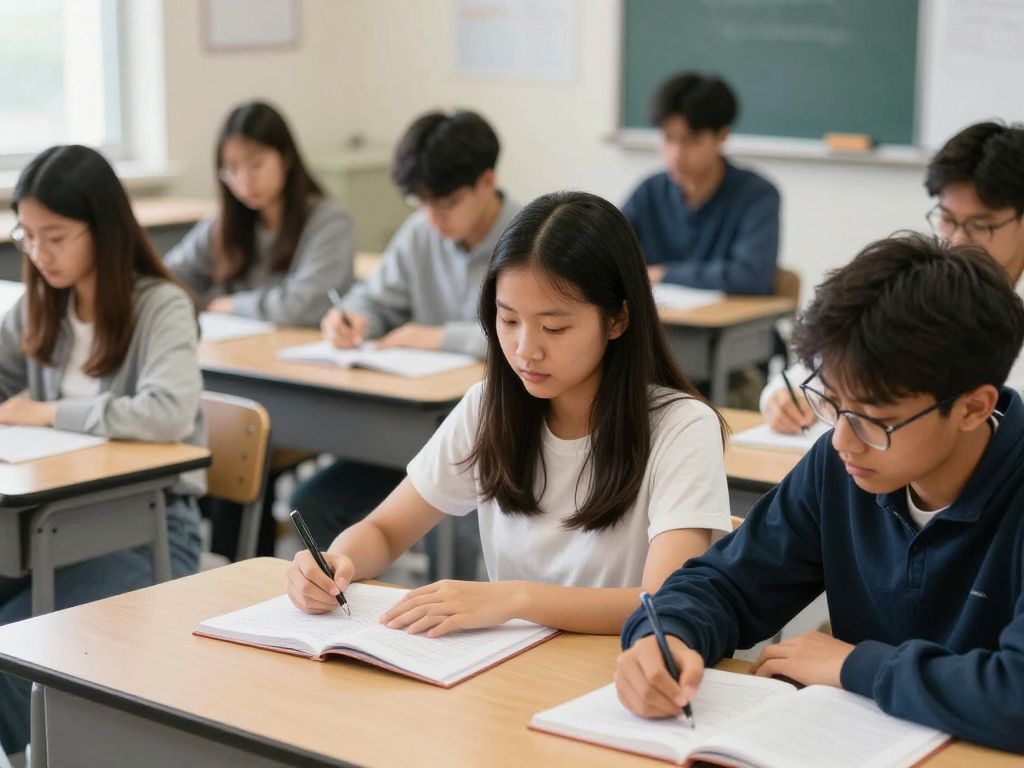
Early College programs offer high school students the opportunity to gain college credits without incurring tuition costs, thereby making a college degree more affordable and accessible. These programs are designed to better prepare students for their future careers. Research indicates that students who participate in early college programs are more likely to graduate from high school, enroll in college, persist in their studies, and ultimately complete a college degree or credential. This early exposure helps students transition more smoothly between high school and college, developing the necessary skills and confidence for higher-level academic work.
Targeting Underrepresented Students for Greater Equity
A significant focus of these grants is to engage students from backgrounds historically underrepresented in higher education. The administration specifically aims to involve students from rural towns and gateway cities in early college programs. Most high school seniors currently participating in the program are Black or Latino students. Early college participation has been shown to increase college enrollment across all racial groups, with a particularly notable impact on Latino students, who have historically had lower matriculation rates to college. The broader goal is to empower students traditionally underrepresented in higher education, including those from low-income backgrounds, English language learners, and students with disabilities. These programs reduce both the time and expense associated with earning a college credential.
Strategic Goals for Future Academic Growth
Governor Maura Healey recently articulated a goal of enrolling 100,000 Early College students by 2036, a substantial increase from the approximately 10,000 students currently enrolled statewide. To continue this expansion, Governor Healey plans to propose an additional $15 million for the Early College program in her FY27 budget, representing an increase of over $600,000 from the FY26 budget. This strategic vision is part of the administration’s broader “Reimagining High School” initiative, which seeks to ensure that Massachusetts students are prepared for college or careers upon graduation.
A Foundation of Free College Access
This expansion of early college programs builds on the success of other state-level initiatives aimed at making higher education more accessible and affordable in Massachusetts. The MassReconnect program initially made community college free for Massachusetts residents aged 25 and older who had not yet earned a bachelor’s degree. Following this success, the MassEducate program was implemented, extending free public community college tuition and fees to eligible students of any age and income level in Massachusetts. Both MassReconnect and MassEducate cover the full cost of tuition and fees for eligible students and may include allowances for books and supplies based on income. These programs collectively represent a comprehensive approach to removing financial barriers to educational advancement across the Commonwealth.
Proven Results and Community Impact
The investment in Early College programs in Massachusetts is demonstrating tangible results. Data indicates that 66 percent of Early College graduates immediately enroll in higher education after high school, with the majority attending a public college or university within the state. Furthermore, these former Early College students show strong persistence rates, with 87 percent continuing their studies through a second term and 82 percent returning for a second year. These outcomes highlight the effectiveness of integrating college and high school education, providing a clear pathway for students and a skilled future workforce for Massachusetts. The grants are categorized into “Capacity Grants” to support existing programs with staffing and recruitment, and “Planning Grants” to help high schools and colleges design new programs.
The Healey-Driscoll Administration’s latest grants for early college programs signify a robust commitment to enhancing educational opportunities for all Massachusetts students, particularly those who stand to benefit most from early exposure to higher education. By fostering academic innovation and expanding access, the Commonwealth is investing in the personal achievement of its youth and strengthening the future of its communities. We encourage Boston families and educators to explore these expanded programs and consider how they can contribute to a brighter educational future for our local students. Staying informed and engaged in educational policy ensures that these vital programs continue to thrive and evolve.
Frequently Asked Questions
- What is the total amount of grants awarded by Governor Healey for free college credits in high schools?
- The Healey-Driscoll Administration is awarding $8.2 million in grants to expand access to early college programs.
- What do these grants enable high school students to do?
- These grants allow high school students to take college classes and earn college credit for free.
- How many additional students are expected to benefit from this new funding?
- The new funding is expected to benefit an additional 2,300 young people.
- What is Governor Healey’s long-term goal for Early College enrollment in Massachusetts?
- Governor Healey has set a goal of enrolling 100,000 Early College students by 2036.
- What are MassReconnect and MassEducate?
- MassReconnect made community college free for Massachusetts residents 25 years and older. MassEducate built on this by making public community college free for eligible students of any age and income in Massachusetts.
- Who are these Early College programs primarily designed to help?
- These programs are primarily designed to empower students traditionally underrepresented in higher education, including low-income students, Black and Latino students, English language learners, and students with disabilities.
Key Features of the Early College Grants Initiative
| Feature | Details | Scope |
|---|---|---|
| Total Grant Award | $8.2 million | State-level |
| Program Focus | Expand Early College programs for free college credits | State-level |
| Additional Beneficiaries | 2,300 young people | State-level |
| New Partnerships | 44 new high school and higher education partnerships | State-level |
| Long-term Enrollment Goal | 100,000 Early College students by 2036 | State-level |
| Targeted Demographics | Underrepresented students, including those from rural towns, gateway cities, Black, Latino, low-income, English language learners, and students with disabilities | State-level |
| Related Free College Programs | MassReconnect (for 25+ years old) and MassEducate (for all ages and income) | State-level |
| Grant Types | Capacity grants (staffing, recruitment) and Planning grants (new program design) | State-level |
Deeper Dive: News & Info About This Topic
HERE Resources
UMass Boston Expands Research and Academic Opportunities
Charting Success: Boston University Academy & College Preparedness
Boston Public Schools Enhance Student Experiences through Innovation
Massachusetts Considers Three-Year Bachelor’s Degree Programs
Boston’s Academic Rigor and Student Well-being Challenges
UMass Boston Offers Accelerated Winter Term Opportunities
Boston High Schools Forge New Paths to Student Success
Suffolk University Launches Tuition Initiative for Local Graduates
Dual-Sport Athlete Rae Alexander Shines at UMass Boston
Farewell to Bill DiCroce: A Trailblazer in Decarbonization

Author: STAFF HERE BOSTON WRITER
The BOSTON STAFF WRITER represents the experienced team at HEREBoston.com, your go-to source for actionable local news and information in Boston, Suffolk County, and beyond. Specializing in "news you can use," we cover essential topics like product reviews for personal and business needs, local business directories, politics, real estate trends, neighborhood insights, and state news affecting the area—with deep expertise drawn from years of dedicated reporting and strong community input, including local press releases and business updates. We deliver top reporting on high-value events such as Boston Marathon, Head of the Charles Regatta, and Boston Harborfest. Our coverage extends to key organizations like the Greater Boston Chamber of Commerce and Associated Industries of Massachusetts, plus leading businesses in finance, biotech, and insurance that power the local economy such as Fidelity Investments, Biogen, and Liberty Mutual Insurance. As part of the broader HERE network, we provide comprehensive, credible insights into Massachusetts's dynamic landscape.