
Boston, January 30, 2026
Boston’s public transportation has faced significant disruptions due to bitter cold temperatures and the aftermath of a recent snowstorm. Both the Red Line and Commuter Rail have experienced delays, with aging infrastructure contributing to the challenges. The MBTA has deployed shuttle buses to alleviate disruptions as crews work continuously to maintain services in harsh conditions. Commuters have reported long wait times and frustrating experiences, highlighting broader concerns regarding transit reliability during severe winter weather.
Boston Battles Transit Delays Amidst Lingering Winter’s Chill
Boston.
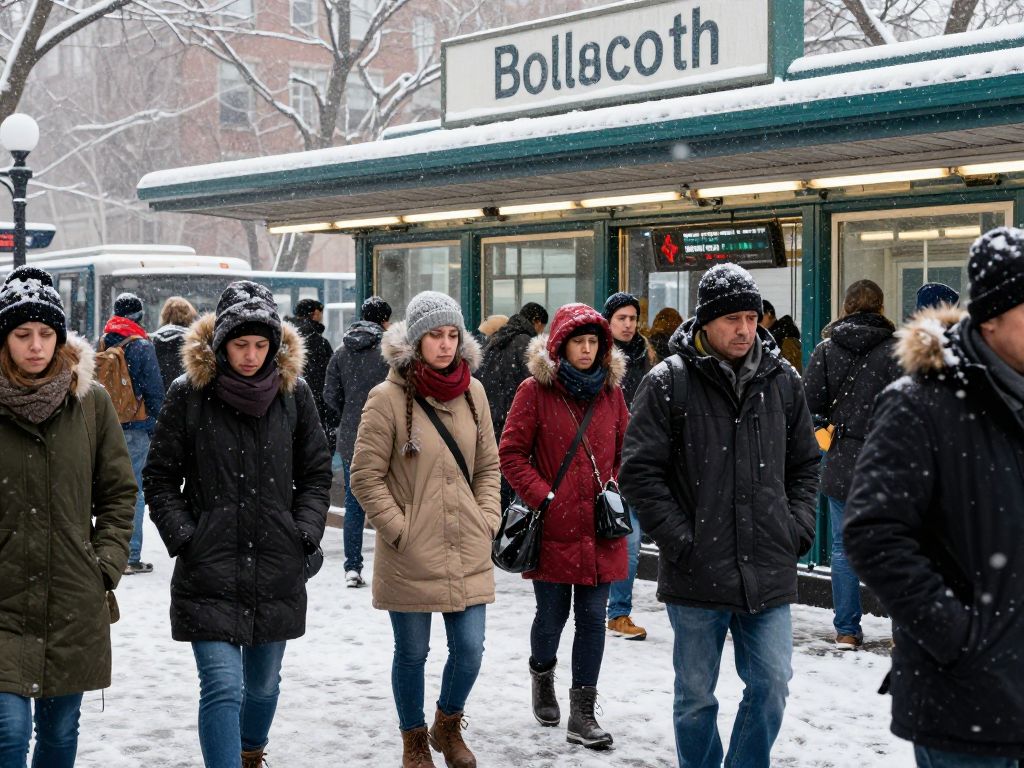
The city of Boston has experienced significant disruptions to its public transportation system over the past 48 hours, as the persistent grip of bitter cold temperatures and the lingering aftermath of a recent snowstorm have severely impacted MBTA services. Riders on both the Red Line and Commuter Rail have faced substantial delays, a testament to the challenges extreme winter weather poses to urban infrastructure and the daily rhythms of thousands.
The Massachusetts Bay Transportation Authority (MBTA) has issued warnings advising commuters to anticipate further delays, with shuttle buses being deployed to mitigate the impact on affected routes. This week’s cold, with single-digit temperatures and wind chills dipping below zero, has proven to be a considerable stress test for the transit infrastructure.
Red Line Faces Age-Related Challenges
A primary factor in the recent Red Line delays has been the performance of its aging fleet. Many Red Line cars are decades old, making them particularly susceptible to mechanical failures in freezing temperatures. On a typical weekday, the Red Line usually operates with around 20 trains; however, on Tuesday, a day marked by particularly severe performance, only six trains were fully functional, with others struggling or removed from service due to the cold. This operational constraint led to considerable strain, with some commuters reporting wait times exceeding 30 minutes. The MBTA has indicated that if only the newer, more reliable trains were used, wait times could extend to over 45 minutes, underscoring the reliance on the older fleet despite its vulnerabilities.
Crews have been working continuously to maintain trains and clear tracks in the frigid conditions, a demanding task given the unyielding weather. Despite these efforts, the issues with older equipment, coupled with delays in the delivery of new Red Line cars—attributed to federal enforcement actions related to trade and labor policies—continue to present operational hurdles.
Commuter Rail and System-Wide Impact
The Commuter Rail has also experienced slowdowns and cancellations, with trains running at reduced speeds on multiple lines due to the residual effects of the snowstorm. MBTA General Manager Phillip Eng noted the persistent challenge of snow blowing back onto cleared switches, requiring continuous effort from crews. Riders have expressed their frustration, describing the transit experience as “pretty brutal” and “unreliable”, with platforms becoming crowded as commuters sought passage.
Beyond the immediate service disruptions, ongoing snow operations have affected parking availability at some MBTA facilities, further complicating the commute for those who drive to stations. These events highlight a broader concern for public transit systems in winter climates, where extreme cold and snow can lead to travel delays and reduced confidence in predictable service.
Broader Context of Transit Reliability
The recent challenges underscore a recurring theme in urban transit: the intricate balance between maintaining an aging infrastructure and ensuring reliable service in the face of environmental extremes. For many, particularly low-income individuals, public transit is not merely a convenience but a necessity, making dependable service paramount to their daily lives. The MBTA, while acknowledging rider patience, continues to grapple with the complexities of operating a vast system through demanding winter conditions. Efforts such as winter weather guides and rider alerts are in place to help commuters navigate these difficult periods.
Frequently Asked Questions
What caused the recent MBTA delays in Boston?
The recent MBTA delays in Boston were caused by bitter cold temperatures and the lingering impacts of a recent snowstorm, which severely affected MBTA services.
Which MBTA lines were most affected by the delays?
Riders on both the Red Line and Commuter Rail experienced significant disruptions.
Why were the Red Line delays particularly severe?
The Red Line delays were particularly severe due to issues with its aging fleet of trains, many of which are decades old and prone to mechanical failures in freezing temperatures. On a day with severe performance, only six out of a typical 20 trains were fully functional.
What measures did the MBTA take in response to the delays?
The MBTA issued warnings for riders to expect delays, and shuttle buses were deployed to mitigate the impact on affected routes. Crews also worked continuously to maintain trains and clear tracks in the frigid conditions.
What are some broader challenges facing the MBTA in winter?
Broader challenges include maintaining an aging infrastructure in extreme weather, the persistent issue of snow blowing back onto cleared switches, and the impact of delays on riders, particularly low-income individuals for whom public transit is a necessity.
Key Features of Recent MBTA Delays
| Feature | Details |
|---|---|
| Location Affected | Boston, Massachusetts |
| Primary Cause | Bitter cold temperatures and lingering snowstorm impacts |
| Main Lines Impacted | Red Line, Commuter Rail |
| Red Line Specific Issue | Aging fleet of trains susceptible to mechanical failures in cold; reduced operational trains |
| Commuter Rail Specific Issue | Reduced speeds and cancellations due to snow aftermath and switch issues |
| Rider Experience | Significant frustration, long wait times (over 30 minutes reported), crowded platforms |
| MBTA Response | Issued warnings, deployed shuttle buses, continuous crew work on tracks and trains |
| Broader Context | Challenges of aging infrastructure, impact on low-income riders, delays in new train delivery |
Deeper Dive: News & Info About This Topic
HERE Resources
Boston Navigates Recent Transportation Disruptions
State Implements New Health Insurance Rules to Curtail Patient Care Delays
Teenager Faces Charges After MBTA Track Incident Causes Explosion
Pedestrian Struck by MBTA Bus in South Boston
Boston Prepares for Winter’s Return: Snow Chances Ahead
Boston’s 2026 Horizon: Major Developments on the Rise
Boston’s Commuter Rail: Navigating Delays for a Brighter Future
Incident Disrupts Train Services at Back Bay Station
Massachusetts House Approves Study for Orange Line Extension
Transit Police Seek Help After Unprovoked Assault at North Station

Author: STAFF HERE BOSTON WRITER
The BOSTON STAFF WRITER represents the experienced team at HEREBoston.com, your go-to source for actionable local news and information in Boston, Suffolk County, and beyond. Specializing in "news you can use," we cover essential topics like product reviews for personal and business needs, local business directories, politics, real estate trends, neighborhood insights, and state news affecting the area—with deep expertise drawn from years of dedicated reporting and strong community input, including local press releases and business updates. We deliver top reporting on high-value events such as Boston Marathon, Head of the Charles Regatta, and Boston Harborfest. Our coverage extends to key organizations like the Greater Boston Chamber of Commerce and Associated Industries of Massachusetts, plus leading businesses in finance, biotech, and insurance that power the local economy such as Fidelity Investments, Biogen, and Liberty Mutual Insurance. As part of the broader HERE network, we provide comprehensive, credible insights into Massachusetts's dynamic landscape.