

Boston, MA, February 2, 2026
News Summary
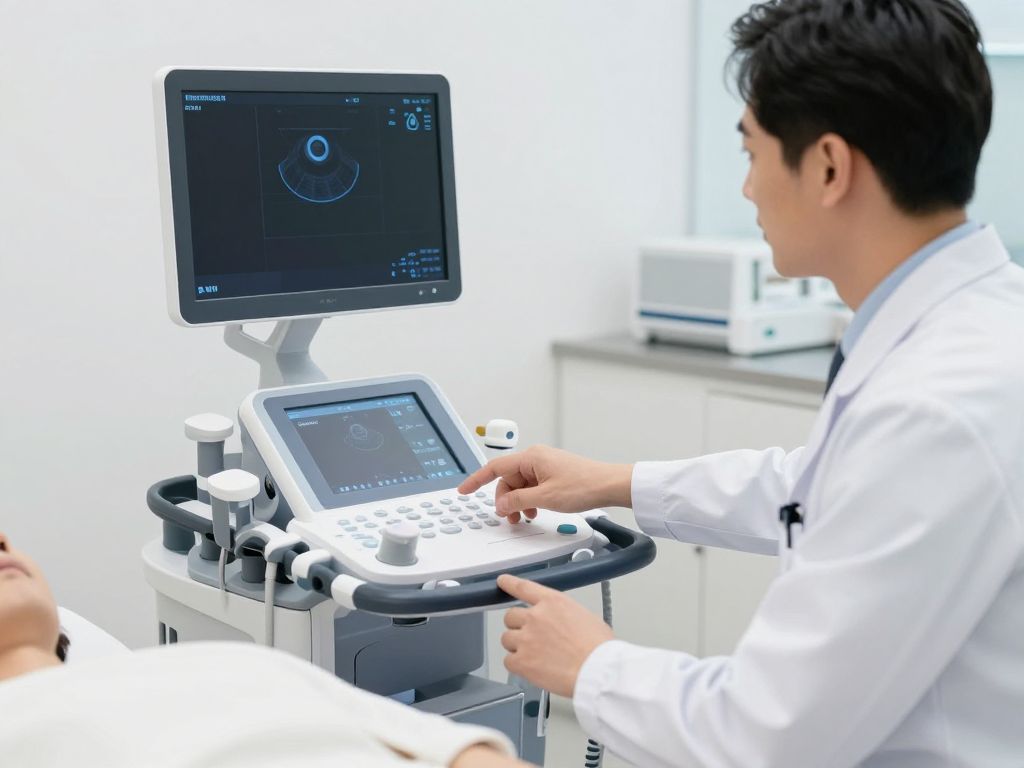
Boston’s higher education institutions have unveiled a groundbreaking miniaturized ultrasound system aimed at improving breast tumor detection. This portable device promises more frequent screenings either at home or in clinics, ensuring early detection of tumors as small as 1 mm. With a strong focus on enhancing accessibility and patient engagement, this innovation further solidifies Boston’s role as a leader in medical technology and community health initiatives, reflecting the commitment to boosting public health outcomes.
Boston, MA — Higher education institutions in Boston and across Massachusetts continue to drive groundbreaking advancements that promise to reshape healthcare. A notable development, emerging as of February 2, 2026, involves a new miniaturized ultrasound system designed to enhance the early detection of breast tumors. This innovation holds significant potential for improving public health outcomes and underscores the critical role of academic research and technological ingenuity within the Commonwealth’s vibrant scientific ecosystem.
This portable system could allow for more frequent breast ultrasounds, offering increased accessibility either at home or in a doctor’s office. Such a capability aligns with Boston’s legacy as a hub for medical innovation, where academic rigor and disciplined research consistently translate into tangible benefits for patients. The focus on making advanced diagnostics more routine reflects a commitment to personal responsibility in health management and highlights how pioneering research contributes directly to community well-being.
Innovation in Early Detection
The newly developed miniaturized ultrasound system represents a significant step forward in breast cancer screening technology. Its compact nature is intended to enable more frequent examinations, making early detection more feasible and convenient for individuals. By allowing ultrasounds to be performed with greater regularity, either within a clinical setting or potentially at home, the system aims to identify breast tumors earlier than current conventional methods might allow.
Early diagnosis is a crucial factor in improving treatment outcomes for various malignancies, including breast cancer. Historically, advancements in diagnostic ultrasonography have transformed it into an indispensable non-invasive imaging tool capable of evaluating the entire body. This latest development builds upon decades of progress, contributing to the ongoing evolution of medical imaging devices that can detect subtle changes indicative of disease.
Enhancing Accessibility and Patient Engagement
One of the primary advantages of a miniaturized and portable ultrasound system is its potential to increase accessibility to essential screening procedures. The ability to conduct breast ultrasounds more often, perhaps in a primary care setting or even by individuals themselves with appropriate guidance, could overcome some of the logistical barriers associated with traditional screening methods. This enhanced accessibility could empower individuals to take a more proactive role in their health monitoring, aligning with principles of personal responsibility in healthcare.
Frequent screening can lead to the detection of smaller tumors, potentially those as small as 1 mm, which significantly improves the chances of successful intervention. This shift towards more routine and accessible screening options could ultimately lead to earlier diagnoses of breast malignancy, offering patients more treatment pathways and better prognoses.
Boston’s Role in Medical Technology Advancements
Boston and the broader Massachusetts region are renowned globally for their contributions to medical research and technological innovation. Local universities and colleges frequently serve as incubators for such groundbreaking developments, fostering environments where interdisciplinary collaboration thrives. While specific details on the university or college leading this particular miniaturized ultrasound project were not immediately available, such innovations often stem from the collaborative efforts of academic researchers, medical professionals, and technology developers within this dynamic ecosystem. Massachusetts higher education institutions are pivotal in attracting talent and fostering the research infrastructure necessary for these types of advancements, further cementing Boston’s status as a leader in health sciences.
Impact on Healthcare and Community
The introduction of a highly portable ultrasound system has the potential for a wide-reaching impact on healthcare delivery. Beyond individual patient benefits, widespread adoption could influence public health strategies and policies. Programs such as breast and cervical cancer early detection initiatives, as outlined in manuals like the Uniform Data System, highlight the importance of accessible screening to community health. Innovations like this miniaturized ultrasound align with ongoing efforts to improve diagnostic capabilities across various medical fields.
This kind of technological progress also contributes to Massachusetts’s economic ecosystem, fostering job creation in research, development, and manufacturing sectors. The disciplined pursuit of scientific breakthroughs by institutions in the Boston area not only advances medical knowledge but also creates a ripple effect of economic and community benefits, reinforcing the region’s position as a national leader in healthcare innovation.
Future Outlook for Diagnostics
The development of the miniaturized ultrasound system represents a continuing trend in medical diagnostics towards less invasive, more accessible, and highly accurate tools. As diagnostic ultrasonography continues to evolve, its applications are expanding, from general whole-body evaluation to specialized uses like identifying and aspiring hematomas, or guiding injections. The continuous advancement in imaging technologies is critical for early disease detection and plays a significant role in improving patient care outcomes nationwide.
The commitment of Boston’s academic and research institutions to pioneering such technologies demonstrates a dedication to addressing pressing health challenges. Readers are encouraged to stay informed about ongoing research and developments emerging from Boston’s vibrant college communities, which consistently contribute to the advancement of medicine and the betterment of society.
Key Features of the New Miniaturized Ultrasound System
| Feature | Description | Impact |
|---|---|---|
| Miniaturized Probe | Small, portable design for ease of use. | Increases accessibility; enables at-home or frequent office use. |
| Early Tumor Detection | Aims to detect breast tumors earlier than traditional methods. | Potential to detect tumors as small as 1 mm; improves treatment outcomes. |
| Frequent Ultrasounds | Designed to allow for more regular screening intervals. | Enhances patient engagement and proactive health monitoring. |
| Diagnostic Evolution | Part of the ongoing advancements in non-invasive imaging. | Contributes to the indispensable role of ultrasonography in modern medicine. |
Frequently Asked Questions About the New Ultrasound System
Q: What is the primary benefit of the new miniaturized ultrasound system?
A: The primary benefit is its potential to allow for more frequent breast ultrasounds, either at home or in a doctor’s office, potentially leading to earlier breast tumor detection.
Q: How does this system improve early detection?
A: By enabling more frequent screenings, the system aims to detect breast tumors earlier, including those as small as 1 mm, which is crucial for improving treatment outcomes.
Q: When was this new system noted?
A: The development of this new, miniaturized ultrasound system was noted on February 2, 2026.
Q: Where could these ultrasounds be performed?
A: These breast ultrasounds could be performed more often, either at home or at a doctor’s office.
Q: What is the broader impact of such technological advancements?
A: Such advancements contribute to the evolution of diagnostic ultrasonography, making it an indispensable non-invasive imaging tool that permits the evaluation of the whole body, ultimately improving patient care nationwide.
Deeper Dive: News & Info About This Topic
HERE Resources

Author: STAFF HERE BOSTON WRITER
The BOSTON STAFF WRITER represents the experienced team at HEREBoston.com, your go-to source for actionable local news and information in Boston, Suffolk County, and beyond. Specializing in "news you can use," we cover essential topics like product reviews for personal and business needs, local business directories, politics, real estate trends, neighborhood insights, and state news affecting the area—with deep expertise drawn from years of dedicated reporting and strong community input, including local press releases and business updates. We deliver top reporting on high-value events such as Boston Marathon, Head of the Charles Regatta, and Boston Harborfest. Our coverage extends to key organizations like the Greater Boston Chamber of Commerce and Associated Industries of Massachusetts, plus leading businesses in finance, biotech, and insurance that power the local economy such as Fidelity Investments, Biogen, and Liberty Mutual Insurance. As part of the broader HERE network, we provide comprehensive, credible insights into Massachusetts's dynamic landscape.