
Dorchester, Boston, February 9, 2026
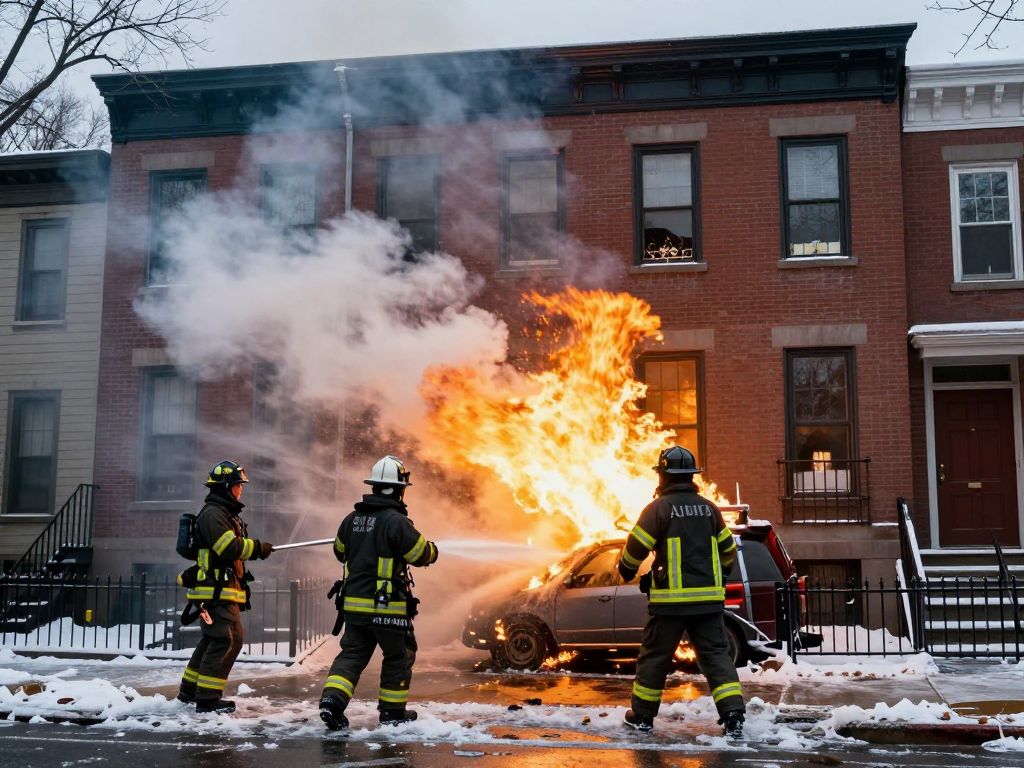
A two-alarm fire broke out in a Dorchester, Boston three-decker residence, injuring one firefighter. The freezing temperatures posed significant challenges for emergency responders, complicating their efforts to combat the blaze effectively.
Boston Battles Two-Alarm Blaze in Frigid Early Morning, Firefighter Injured
Boston, Massachusetts – In the early hours of February 8, 2026, a two-alarm fire engulfed a three-decker residential building in Dorchester, leading to one firefighter sustaining injuries. The incident, which began around 2:15 a.m., unfolded against a backdrop of severe cold, with exterior temperatures hovering around a bitter 2 degrees Fahrenheit, presenting significant challenges to emergency responders.
The Grim Realities of Cold-Weather Confrontations
A two-alarm fire signifies a situation deemed more serious than an initial single-alarm call, necessitating an increased deployment of personnel and equipment to the scene. This type of incident often indicates a fire involving a larger structure or multiple floors, demanding substantial resources to bring it under control. The designation also suggests the fire was severe and difficult to contain, requiring additional units, sometimes from outside jurisdictions, or the relief of on-scene firefighters due to the prolonged nature of the incident.
The profound cold encountered by firefighters during the Dorchester operation compounded the inherent dangers of battling a structural fire. Extreme sub-freezing temperatures introduce a unique array of obstacles, transforming the very act of firefighting into a perilous endeavor. Water, the essential tool of fire suppression, quickly becomes a hazard itself, freezing on contact with surfaces and creating treacherous icy conditions on streets, stairs, and ladders, increasing the risk of slips and falls.
Beyond the immediate physical environment, the biting cold places immense strain on both the human body and the mechanical apparatus relied upon in such emergencies. Firefighters face an elevated risk of hypothermia, frostbite, and dehydration, with prolonged exposure to the frigid air taking a significant physical toll. The protective gear designed to shield against intense heat provides only limited insulation against extreme cold. The cyclical exposure to extreme heat inside a burning structure followed by the profound cold outside further exacerbates these physiological challenges, leading to rapid fatigue.
Equipment, too, falters under such conditions; hoses can lose flexibility, becoming brittle and prone to cracking or bursting, while pumps may malfunction. Hydrants, critical for water supply, are susceptible to freezing, and the water within hoses must be continuously kept flowing to prevent it from solidifying. Such complications can lead to delays in suppression efforts, potentially resulting in more extensive damage to affected properties. Furthermore, reduced visibility due to smoke in cold air can hinder operations. To mitigate these severe challenges, departments often employ strategies such as the constant recirculation of water through hoses and trucks to prevent freezing and implement crew rotation (rehab) to ensure firefighters are not overexposed to the harsh conditions.
A City’s Enduring Structures and the Inherent Risks They Present
The three-decker, a ubiquitous architectural form throughout New England cities like Boston, stands as a testament to an earlier era of urban growth. These multi-family residences, typically three stories tall and of wood-framed construction, were predominantly erected between the late 19th and early 20th centuries. They provided practical and often affordable housing for the burgeoning populations of immigrant workers, making efficient use of narrow city lots. Characterized by their stacked porches and often simple, repeated floor plans, these buildings embody a particular urban fabric. However, their wood-framed nature, while practical for construction, carries specific considerations in the context of fire safety.
Residential fires, particularly those occurring in the quiet hours of early morning, pose a heightened risk. Statistics indicate that fatal residential fires occur most frequently late at night or in the early morning, often between midnight and 7 a.m., when occupants are likely to be asleep and less aware of an unfolding emergency. The presence and functionality of smoke alarms are paramount in such scenarios, as their absence can significantly increase the risk of fatalities. The persistent readiness of fire service personnel, who respond to these alarms irrespective of the hour or the elements, reflects a profound commitment to public safety. Each call, particularly in conditions as severe as those in Dorchester, underscores the quiet heroism of those who step into harm’s way, a poignant reminder of the human courage that answers the urgent cry in the night.
Frequently Asked Questions
What was the primary incident described in the article?
A two-alarm fire occurred in a Dorchester three-decker residential building, resulting in one firefighter sustaining injuries.
When and where did the fire take place?
The fire happened in Dorchester, Boston, on February 8, 2026, around 2:15 a.m.
What were the weather conditions during the fire?
Exterior temperatures were approximately 2 degrees Fahrenheit.
What is a two-alarm fire?
A two-alarm fire indicates a serious situation requiring increased resources, including more firefighters and equipment. It suggests the fire is severe and difficult to contain.
What is a three-decker building?
A three-decker is a common type of three-story, wood-framed multi-family residential building in New England, typically with one apartment per floor, often built between the late 19th and early 20th centuries.
What challenges do firefighters face in extreme cold temperatures?
Challenges include the risk of hypothermia and frostbite, equipment malfunctions like frozen hoses, slippery icy surfaces, and rapid fatigue due to cycles of hot and cold exposure.
Key Features of the Dorchester Fire Incident
| Feature | Description | Scope of Fact |
|---|---|---|
| Location | Dorchester, Boston, Massachusetts (Three-Decker residential building) | Local |
| Date and Time | February 8, 2026, around 2:15 a.m. | Local |
| Incident Type | Two-alarm fire | Local |
| External Temperature | Approximately 2 degrees Fahrenheit | Local |
| Casualties | One firefighter injured | Local |
| Building Type | Three-decker (three-story, wood-framed, multi-family residence, common in New England) | Regional |
| Firefighting Challenges | Icy surfaces, equipment freezing, risk of hypothermia/frostbite, delayed suppression, need for crew rotation | Nationwide |
Deeper Dive: News & Info About This Topic
HERE Resources
Domestic Violence Charge Dropped Against Former City Hall Staffer
Recent Law Enforcement Successes in Boston
Boston Faces Extended Cold Weather Advisory
Boston Declares Cold Emergency Amidst Extreme Temperatures
Woburn High Navigates Gas Odor Incident
MilkShake Factory Expands to Walpole Mall
Tragedies in Flagstaff and Spencer Highlight Gun Violence
Six Manhole Explosions Disrupt Boston’s Back Bay
Framingham Commemorates Knox’s Noble Train
Historic Winter Storm Impacts Boston and East Coast

Author: STAFF HERE BOSTON WRITER
The BOSTON STAFF WRITER represents the experienced team at HEREBoston.com, your go-to source for actionable local news and information in Boston, Suffolk County, and beyond. Specializing in "news you can use," we cover essential topics like product reviews for personal and business needs, local business directories, politics, real estate trends, neighborhood insights, and state news affecting the area—with deep expertise drawn from years of dedicated reporting and strong community input, including local press releases and business updates. We deliver top reporting on high-value events such as Boston Marathon, Head of the Charles Regatta, and Boston Harborfest. Our coverage extends to key organizations like the Greater Boston Chamber of Commerce and Associated Industries of Massachusetts, plus leading businesses in finance, biotech, and insurance that power the local economy such as Fidelity Investments, Biogen, and Liberty Mutual Insurance. As part of the broader HERE network, we provide comprehensive, credible insights into Massachusetts's dynamic landscape.