

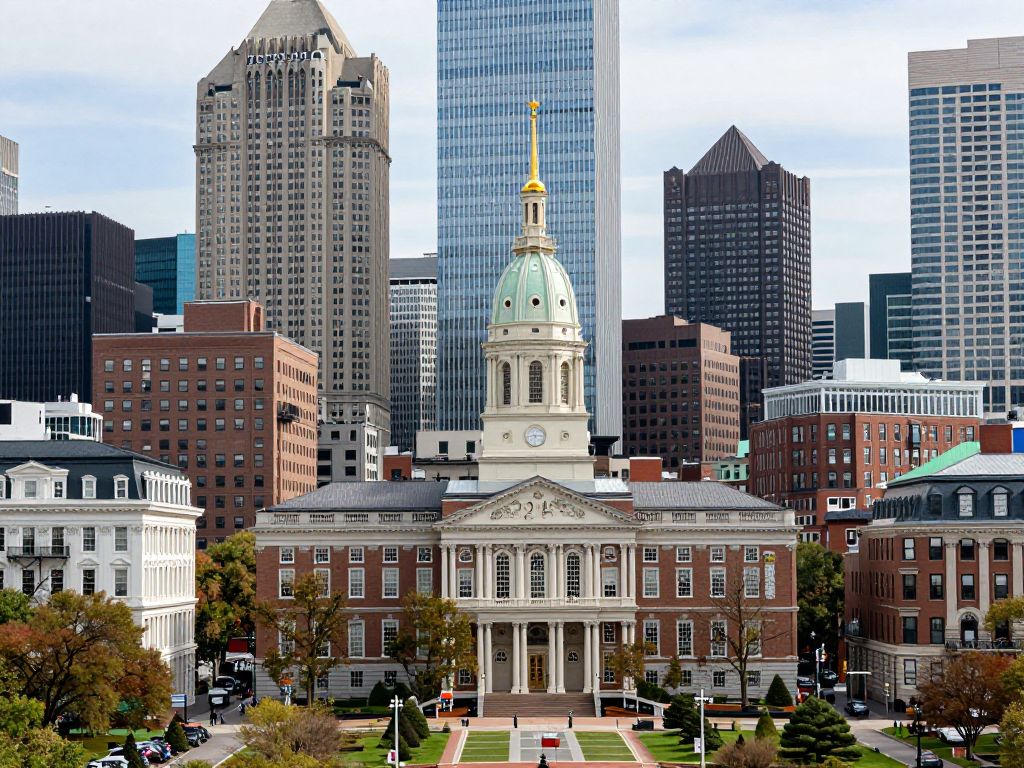
Boston, February 14, 2026
In a strategic response to federal immigration enforcement, Boston Mayor Michelle Wu, along with leaders from neighboring communities, signed executive orders that prohibit federal immigration agents from utilizing city property. The directives also mandate local police to investigate any violations by federal agents. These actions, taken amidst increased federal immigration activity, emphasize Boston’s commitment to defining interaction protocols with federal authorities, aiming to enhance community accountability and safety against immigration enforcement practices.
Boston
Boston, Massachusetts – In a significant move reflecting a nuanced approach to federal immigration enforcement, Boston Mayor Michelle Wu, along with leaders from several surrounding communities, issued executive orders earlier this week directed at federal immigration agents. These orders, signed on February 5, 2026, aim to provide clear guidance regarding city government’s response to future interactions with federal immigration enforcement. The actions underscore a local commitment to define the parameters of interaction between municipal resources and federal immigration operations.
New Directives for City Engagement
Mayor Wu’s executive order specifies new measures intended to clarify how Boston city departments will engage with federal immigration agents. A key provision within the order restricts federal immigration agents from utilizing city property for their operations. Furthermore, the directive instructs local police to investigate any federal agents found to be in violation of city or state laws. These provisions articulate a municipal stance on oversight and accountability regarding federal enforcement activities within the city’s jurisdiction. The mayor’s office indicated that these measures are aimed at holding federal immigration agents accountable for their actions within the community.
The issuance of these orders by Boston and neighboring communities comes after federal immigration agents conducted operations in the Boston area. The local actions signal a unified regional effort to establish specific protocols concerning federal immigration enforcement.
Broader Context of Local and Federal Stances
The recent executive orders in the Boston area are not isolated incidents but rather emerge within a broader national discourse concerning immigration enforcement and the roles of local and federal authorities. On April 28, 2025, former President Trump signed Executive Order 14287, titled “Protecting American Communities from Criminal Aliens” (Nationwide). This order established a framework for federal immigration enforcement with a focus on aliens deemed to have committed crimes. Earlier, on February 7, 2025, President Trump also signed an executive order directing actions under the premise of “Guaranteeing the States Protection Against Invasion” (Nationwide). These federal directives reflect a centralized approach to immigration policy and enforcement.
In a similar vein of local response, Chicago Mayor Brandon Johnson signed an executive order on August 30, 2025, outlining a blueprint for addressing potential mass deportations (State-level). This order by Chicago’s mayor was aimed at preparing for contingencies related to federal immigration actions. Mayor Johnson also signed an executive order on September 12, 2025, providing a blueprint for city government response to a potential increase in federal immigration enforcement activities (State-level). The Chicago mayor’s actions, like those in Boston, highlight a localized effort to manage the impact of federal immigration policies on urban populations.
The Justice Department, in August 2025, published a list identifying jurisdictions it characterized as “sanctuary jurisdictions” (Nationwide). This federal action further illustrates the ongoing tension and differing philosophies between some federal and local governments regarding immigration enforcement. The concept of “sanctuary” policies often involves local governments limiting their cooperation with federal immigration authorities, a practice that has garnered both support and opposition. The array of executive orders from cities like Boston and Chicago, alongside federal mandates, paints a complex picture of governance, where local authorities often seek to carve out spaces of protection and defined engagement for their residents amidst national immigration frameworks. The decisions made at the local level carry profound human implications, shaping the daily lives and sense of security for many individuals and families within these communities.
Frequently Asked Questions
What is the primary purpose of Boston Mayor Michelle Wu’s executive order regarding ICE?
Boston Mayor Michelle Wu’s executive order, signed on February 5, 2026, is primarily aimed at holding federal immigration agents accountable and providing clear guidance on how city government intends to respond to any future federal immigration enforcement actions.
What specific actions does Boston’s executive order direct regarding federal immigration agents?
Boston’s executive order directs that federal immigration agents are banned from using city property and instructs local police to investigate any federal agents who break city or state law.
Did other communities join Boston in issuing similar executive orders?
Yes, mayors from several communities surrounding Boston also signed executive orders directed at federal immigration agents.
When did President Trump sign Executive Order 14287?
President Trump signed Executive Order 14287: Protecting American Communities from Criminal Aliens on April 28, 2025 (Nationwide).
What was the purpose of Chicago Mayor Brandon Johnson’s executive order regarding ICE?
Chicago Mayor Brandon Johnson signed an executive order on August 30, 2025, and another on September 12, 2025, aimed at fighting a potential mass deportation and directing the city government’s response to potential increased federal immigration enforcement activities, respectively (State-level).
Key Features of Executive Orders Regarding Federal Immigration Enforcement
| Issuing Authority | Date | Primary Focus | Geographic Scope |
|---|---|---|---|
| Boston Mayor Michelle Wu | February 5, 2026 | Banning ICE from city property; police investigation of agents breaking laws | City-level |
| Mayors from surrounding Boston communities | February 5, 2026 | Similar executive orders directed at ICE | Community-level |
| President Trump | April 28, 2025 | Executive Order 14287: Protecting American Communities from Criminal Aliens | Nationwide |
| President Trump | February 7, 2025 | Executive Order: Guaranteeing the States Protection Against Invasion | Nationwide |
| Chicago Mayor Brandon Johnson | August 30, 2025 | Executive order with blueprint for fighting potential mass deportation | State-level |
| Chicago Mayor Brandon Johnson | September 12, 2025 | Executive order directing city’s response to potential increased federal immigration enforcement | State-level |
| Justice Department | August 5, 2025 | Published list of sanctuary jurisdictions | Nationwide |
Deeper Dive: News & Info About This Topic
HERE Resources
Lexington Court Ruling on Parental Rights in Education
Significant Drug Seizure and Arrests in Somerville
Tufts Scholar’s Immigration Case Resolved
Boston Police Arrest Suspect in Unarmed Robbery
Boston Universities Advocate for Immigration Transparency
Father Detained by ICE While Holding Infant at Chelsea Court
Newton Pioneers Math Path: Algebra for 8th Graders
Boston Gears Up for FIFA World Cup 2026™
Domestic Violence Charge Dropped Against Former City Hall Staffer
Boston City Council Condemns Recent Killings by Federal Agents

Author: STAFF HERE BOSTON WRITER
The BOSTON STAFF WRITER represents the experienced team at HEREBoston.com, your go-to source for actionable local news and information in Boston, Suffolk County, and beyond. Specializing in "news you can use," we cover essential topics like product reviews for personal and business needs, local business directories, politics, real estate trends, neighborhood insights, and state news affecting the area—with deep expertise drawn from years of dedicated reporting and strong community input, including local press releases and business updates. We deliver top reporting on high-value events such as Boston Marathon, Head of the Charles Regatta, and Boston Harborfest. Our coverage extends to key organizations like the Greater Boston Chamber of Commerce and Associated Industries of Massachusetts, plus leading businesses in finance, biotech, and insurance that power the local economy such as Fidelity Investments, Biogen, and Liberty Mutual Insurance. As part of the broader HERE network, we provide comprehensive, credible insights into Massachusetts's dynamic landscape.