
Boston, February 14, 2026
Boston is confronted with a significant challenge regarding climate change adaptation, with costs potentially reaching the equivalent of eight Big Digs. This necessitates a collective response from the community, as local businesses and entrepreneurs look for innovative solutions to protect the economy and essential services. As the city navigates this daunting investment, it emphasizes the importance of strategic planning, technological advancements, and supportive policy frameworks to build long-term resilience and sustainability.
Boston
Future-Proofing Boston: The Climate Adaptation Imperative
Boston, a city built on innovation and resilience, faces a significant challenge that will test the ingenuity of its residents and businesses. A recent state report indicates that the cost of adapting to climate change in Massachusetts could be monumental, potentially reaching the equivalent of eight Big Digs. This figure underscores the scale of the investment required to safeguard our coastal communities and critical infrastructure from the impacts of a changing climate.
Yet, amidst this challenge lies an opportunity for entrepreneurial spirit and local innovation to shine. Rather than viewing this as an insurmountable hurdle, Boston’s vibrant business community, particularly its small businesses and burgeoning startups, can rise to the occasion. By fostering an environment that encourages private investment, technological advancement, and community-led solutions, we can transform this imperative into a catalyst for economic growth and long-term sustainability for the entire region.
The Scale of the Challenge: Eight Big Digs
The recent state report highlights the immense financial undertaking necessary for Massachusetts to adapt to the realities of climate change. The projected cost, estimated at the equivalent of eight Big Digs, emphasizes the significant infrastructure improvements and protective measures required across the Commonwealth.
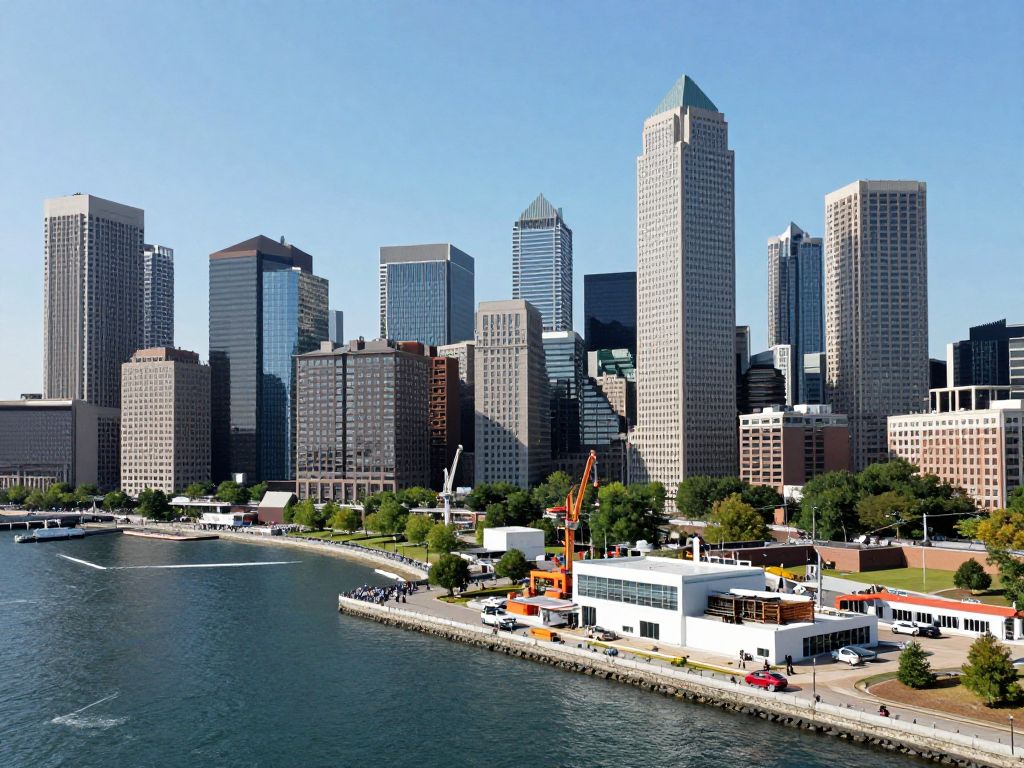
For Boston specifically, this challenge is particularly acute in areas like the Seaport. Buildings in the Seaport fund one-tenth of Boston’s property-tax base. The financial contributions of this thriving district are substantial, and its vulnerability to rising floodwaters and sea level rise puts a critical portion of the city’s revenue at risk. Protecting these vital economic engines is paramount for the overall financial health of Boston and its ability to continue funding essential services and community development.
Economic Implications and Boston’s Small Business Resilience
The financial implications extend beyond public infrastructure. Climate change poses direct threats to Boston MA business and residential properties. New England coastal communities are already experiencing the pinch of higher home insurance rates and fewer options for coverage. This trend could impact property values, increase the cost of living and doing business, and ultimately influence investment decisions in vulnerable areas.
However, this is precisely where the resilience and adaptability of Boston small business owners and Massachusetts entrepreneurs become crucial. Opportunities exist for innovative companies to develop solutions for flood protection, resilient construction, and new insurance models. By embracing these challenges, local businesses can not only safeguard their own operations but also create new markets and job opportunities, strengthening the regional economy.
Innovation and Investment: A Path to Resilience
Addressing the climate adaptation challenge necessitates substantial private investment and groundbreaking innovation. This monumental task can stimulate significant economic activity, creating a demand for new technologies, skilled labor, and specialized services. From advanced engineering solutions for coastal defenses to innovative materials for resilient buildings, the need for proactive measures offers a fertile ground for entrepreneurial ventures.
Additional adaptation is needed regardless of uncertainties in future global greenhouse gas emissions and the Antarctic contribution to sea level rise. This underscores the urgency and the long-term nature of these investments. Proactive planning and strategic deployment of capital, both public and private, will be essential to building a more resilient Boston that can withstand future environmental shifts.
The Role of Thoughtful Policy and Community Engagement
Effective climate adaptation requires a balanced approach to policy that encourages innovation without stifling economic activity. Streamlined regulatory processes and clear guidelines can foster an environment where businesses feel confident investing in long-term solutions. By minimizing unnecessary red tape, state and local governments can empower Massachusetts entrepreneurs to bring their solutions to market more efficiently, accelerating the pace of adaptation.
Community engagement is equally vital. Local leaders, business associations, and residents must collaborate to identify priorities, share knowledge, and support adaptation initiatives. Collaborative efforts ensure that solutions are tailored to specific neighborhood needs and gain broad community buy-in. It is worth noting that in Boston, home energy bills are among the highest in the nation. This economic reality adds another layer of complexity to household and business budgets, emphasizing the need for cost-effective and sustainable solutions.
Building a Sustainable Future for Boston
The prospect of costs equivalent to eight Big Digs for climate adaptation in Massachusetts presents a formidable undertaking. However, it is also an opportunity for Boston to reaffirm its legacy as a city of innovation and forward-thinking leadership. By harnessing the power of local entrepreneurship, fostering smart private investment, and embracing balanced regulatory frameworks, we can build a more resilient future.
The collective determination of Bostonians, from small business owners to civic leaders, will be the driving force in navigating this complex landscape. By proactively investing in adaptive measures, we can protect our vital economic centers, enhance community well-being, and ensure that Boston continues to thrive for generations to come. We encourage our readers to support local businesses actively engaged in developing sustainable solutions and to remain engaged in discussions about Boston’s economic future.
Frequently Asked Questions
What is the estimated cost for Massachusetts to adapt to climate change?
According to a recent state report, adapting to climate change could cost eight Big Digs in Massachusetts.
How does climate change impact Boston’s economy, particularly the Seaport district?
Buildings in the Seaport fund one-tenth of Boston’s property-tax base. Flood waters and sea level rise will soon put that at risk, potentially affecting the city’s revenue.
Are home insurance rates affected by climate change in New England?
From Connecticut to Maine, coastal communities are feeling the pinch of higher home insurance rates and fewer options for coverage.
Is additional climate adaptation needed despite uncertainties in future emissions?
Yes, additional adaptation is needed irrespective of the uncertainties in future global greenhouse gas emissions and the Antarctic contribution to sea level rise.
Are home energy bills in Boston high compared to the rest of the nation?
In Boston, home energy bills are among the highest in the nation.
Key Features of Climate Adaptation in Massachusetts
| Feature | Description | Scope |
|---|---|---|
| Estimated Adaptation Cost | Equivalent to eight Big Digs, according to a recent state report. | State-level |
| Seaport’s Economic Contribution | Funds one-tenth of Boston’s property-tax base. | Boston-specific |
| Risk to Seaport | Flood waters and sea level rise will soon put the Seaport’s economic contribution at risk. | Boston-specific |
| Home Insurance Impact | Coastal communities in New England are experiencing higher home insurance rates and fewer coverage options. | Regional (New England) |
| Necessity of Adaptation | Additional adaptation is needed irrespective of uncertainties in future global GHG emissions and Antarctic contribution to sea level rise. | Global/Long-term |
| Boston Home Energy Bills | Among the highest in the nation. | Boston-specific |
Deeper Dive: News & Info About This Topic
HERE Resources
Wentworth and Boston Partner for Urban Development
Boston’s Biotech Crossroads: Navigating Challenges and Growth
Boston Faces Retail Logistics Changes with AEO’s Devens Closure
Garlock Flexibles Closes Facilities in Gardner, Massachusetts
Seres Therapeutics Pauses Lead Drug Program Amid Funding Challenges
Boston Accounting Firms Chart Divergent Paths
MIT Alumni Drive Innovations in Various Industries
Boston’s Cultural Renaissance: Innovation & Initiative
Boston Declares Cold Emergency Amidst Extreme Temperatures
Garth Greenwell to Speak at Boston University

Author: STAFF HERE BOSTON WRITER
The BOSTON STAFF WRITER represents the experienced team at HEREBoston.com, your go-to source for actionable local news and information in Boston, Suffolk County, and beyond. Specializing in "news you can use," we cover essential topics like product reviews for personal and business needs, local business directories, politics, real estate trends, neighborhood insights, and state news affecting the area—with deep expertise drawn from years of dedicated reporting and strong community input, including local press releases and business updates. We deliver top reporting on high-value events such as Boston Marathon, Head of the Charles Regatta, and Boston Harborfest. Our coverage extends to key organizations like the Greater Boston Chamber of Commerce and Associated Industries of Massachusetts, plus leading businesses in finance, biotech, and insurance that power the local economy such as Fidelity Investments, Biogen, and Liberty Mutual Insurance. As part of the broader HERE network, we provide comprehensive, credible insights into Massachusetts's dynamic landscape.