

Boston, MA, February 18, 2026
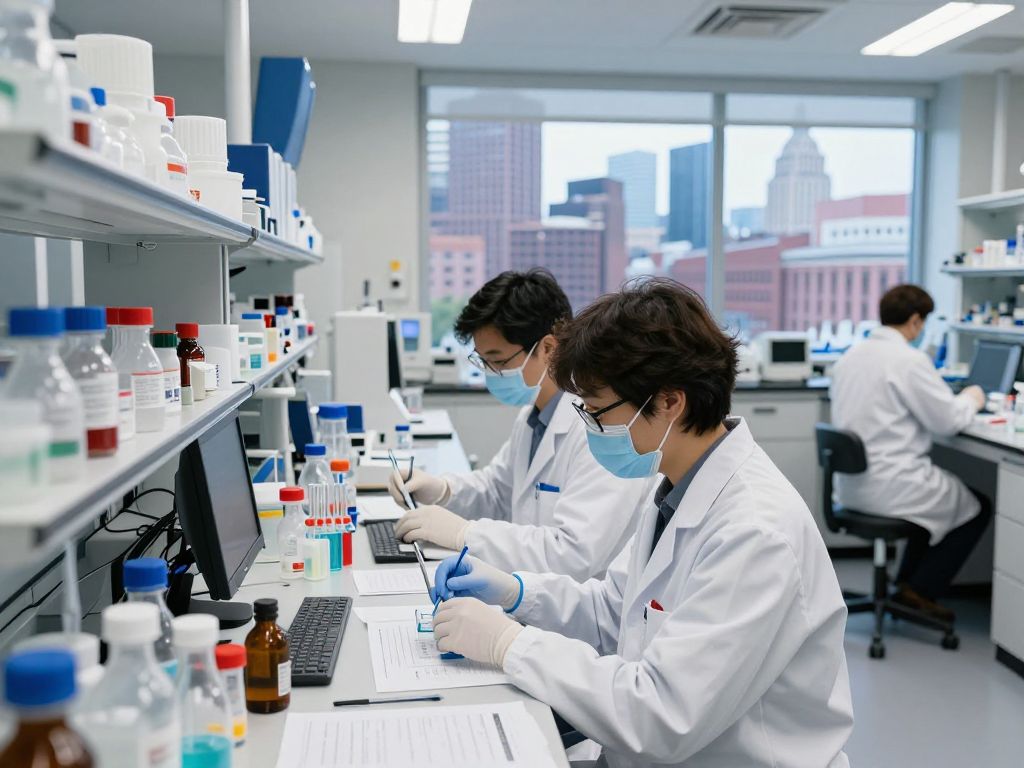
The FDA’s recent decision to revise its drug approval process could dramatically alter the landscape for Boston’s biotech sector. This change, which allows for drug approval with fewer studies, presents new opportunities for Massachusetts entrepreneurs, potentially accelerating the development of innovative therapies. By easing regulatory burdens while maintaining safety standards, this adjustment could foster economic growth and enhance Boston’s position as a leader in medical innovation.
FDA Streamlines Drug Approval: What It Means for Boston Biotech
The U.S. Food and Drug Administration’s decision to revise its drug approval process could significantly impact the innovation landscape for Massachusetts entrepreneurs and the broader Boston MA business community.
Boston, MA – The U.S. Food and Drug Administration (FDA) is poised to implement a significant Nationwide policy shift that could reshape the trajectory of pharmaceutical development. For a city synonymous with groundbreaking medical research and entrepreneurial spirit, this regulatory adjustment presents both new opportunities and ongoing considerations for the robust life sciences sector. This move underscores a broader aim to optimize the path for innovative therapies to reach patients, reflecting a commitment to fostering progress while upholding critical standards.
In a region where Massachusetts entrepreneurs consistently push the boundaries of science and technology, any evolution in the regulatory landscape is closely watched. The goal for innovators here has always been to translate scientific discovery into tangible patient benefits. This Nationwide change from the FDA could contribute to accelerating that process, highlighting the ongoing balance between necessary oversight and the imperative to support rapid advancement in medical science.
A Nationwide Shift in Regulatory Approach
The U.S. Food and Drug Administration plans to drop its longtime standard of requiring two rigorous studies to win approval of new drugs. This Nationwide regulatory adjustment marks a significant evolution from a standard practice that has guided drug development for decades. The FDA’s fundamental responsibility is to protect public health by ensuring the safety, efficacy, and security of human and veterinary drugs and biological products. This decision is framed as an effort to streamline the approval process, potentially accelerating the availability of innovative therapies to those who need them, while still maintaining robust oversight of new medical advancements.
This recalibration by a Nationwide regulatory body suggests an adaptive approach to modern science and data analysis. Rather than a blanket mandate, the FDA may now evaluate scientific evidence with greater flexibility, focusing on the totality of data rather than a fixed number of trials. This could particularly benefit therapies for rare diseases or conditions with urgent unmet needs, where conducting two large, identical studies might be impractical or unethical. The emphasis remains on comprehensive data and patient safety, but through a potentially more efficient pathway.
Innovation Acceleration for Boston MA Business
For the vibrant life sciences cluster in Boston, MA, and the innovative Massachusetts entrepreneurs driving it, this Nationwide policy change could represent a considerable opportunity. The ability to potentially bring new drugs to market with a single pivotal study, where scientifically appropriate, may reduce the time and financial investment required for development. This streamlining could further foster entrepreneurial innovation within the biotech and pharmaceutical sectors, encouraging new ventures and expanding existing ones. Reduced regulatory hurdles, when balanced with scientific rigor, can empower Boston small business innovators to move their discoveries from the lab to patients more efficiently, contributing to sustained economic growth in the region.
Many smaller biotech firms and startups, often operating with finite capital, could find this adjustment particularly impactful. The immense cost and lengthy timelines associated with drug development have historically posed significant barriers. By potentially shortening the development cycle without compromising safety, this Nationwide FDA decision could allow Massachusetts entrepreneurs to allocate resources more effectively, pursue a wider range of projects, and accelerate their contributions to medical science. This aligns perfectly with the spirit of personal achievement that drives many innovators in Boston, eager to see their hard work translate into real-world solutions.
Navigating Development: Balancing Speed and Safety
While the prospect of a more agile approval process is appealing, the imperative for drug safety and efficacy remains paramount. Historically, a candidate drug is typically submitted to the FDA for marketing approval after phase 3 trials. The previous standard often involved two separate, rigorous studies to confirm a drug’s benefits and risks. The complexity of drug development is well-documented, with various case studies showing instances where Phase 2 and Phase 3 trials have had divergent results. The FDA’s decision to revise the two-study requirement does not diminish its commitment to public health. Instead, it seeks to identify pathways that can optimize the development process without compromising the essential evaluations needed to ensure new treatments are both safe and effective.
This evolution in regulatory thinking reflects an understanding that a rigid “one size fits all” approach may not always be the most effective or efficient. Modern clinical trial design, advanced statistical methods, and a deeper understanding of disease biology can provide robust evidence even without a second confirmatory study in certain circumstances. The FDA’s role continues to be one of careful scrutiny, ensuring that any new drug meets stringent scientific standards before it becomes available to the public. The focus remains steadfast on protecting public health, even as the methods for evaluating new therapies adapt to scientific advancements.
Economic Outlook and Community Benefits
The potential ripple effects of this Nationwide FDA policy extend beyond individual companies, promising broader advantages for the region. A more efficient drug approval pathway could stimulate further private investment in the life sciences, attracting capital to Boston’s already thriving biotech ecosystem. This influx of investment and accelerated development cycles can lead to increased job creation, strengthening the Boston MA business community and enhancing the region’s position as a global leader in medical innovation. This scenario highlights how thoughtful regulatory adjustments can directly bolster economic growth and foster a more dynamic business environment.
Furthermore, the acceleration of drug development benefits not just the industry, but the wider community. Quicker access to groundbreaking treatments for various conditions represents a significant public health advantage, underscoring how regulatory foresight can directly impact patient well-being and quality of life. For Boston small business enterprises and large pharmaceutical companies alike, this policy shift represents an opportunity to demonstrate the power of innovation when combined with a supportive regulatory framework, ultimately contributing to a healthier, more prosperous future for all.
Conclusion
The U.S. Food and Drug Administration’s Nationwide decision to move beyond a rigid two-study requirement for new drug approvals signals an adaptive approach to regulatory science. For Boston, MA, a global nexus of biotech innovation, this policy change holds significant promise. It has the potential to empower Massachusetts entrepreneurs and foster accelerated development in the life sciences, contributing to regional economic growth and the continued success of the Boston MA business sector. While maintaining a steadfast commitment to safety and efficacy, this adjustment could unlock new efficiencies, allowing pioneering treatments to reach patients more quickly. We encourage our readers to remain engaged with the unfolding developments in Boston’s vibrant life sciences industry, supporting the local businesses and innovators who are shaping our collective future.
Frequently Asked Questions
- What is the significant Nationwide policy change announced by the U.S. Food and Drug Administration?
- The U.S. Food and Drug Administration plans to drop its longtime standard of requiring two rigorous studies to win approval of new drugs.
- What is the primary responsibility of the U.S. Food and Drug Administration?
- The FDA is responsible for protecting the public health by ensuring the safety, efficacy, and security of human and veterinary drugs, biological products.
- At what stage is a candidate drug typically submitted to the U.S. Food and Drug Administration for marketing approval?
- Typically, a candidate drug is submitted to the FDA for marketing approval after phase 3 trials.
- Have there been instances where different phases of drug trials yielded varied outcomes?
- Yes, there are case studies where Phase 2 and Phase 3 trials have had divergent results.
Key Features of FDA’s Policy Shift
| Feature | Description | Scope |
|---|---|---|
| Previous Requirement | Longtime standard of requiring two rigorous studies for new drug approvals. | Nationwide |
| New Policy | FDA plans to drop the two-study requirement for new drug approvals. | Nationwide |
| FDA’s Core Mission | Protecting public health by ensuring safety, efficacy, and security of human and veterinary drugs, biological products. | Nationwide |
| Typical Submission Stage | Candidate drugs are typically submitted for marketing approval after phase 3 trials. | Nationwide |
| Trial Complexity | Phase 2 and Phase 3 trials have shown divergent results in some case studies. | Nationwide |
Deeper Dive: News & Info About This Topic
HERE Resources
Top Phoebe Literal Money On-Line Casino Survey _ PH Bet Now
Boston’s Biotech Resilience: Moderna’s Regulatory Challenges
MIT Alumni Drive Innovations in Various Industries
Massachusetts Commission Greenlights Marijuana Repeal Initiative
Boston’s Next Frontier: Innovation Drives Health & Growth
Boston Biotech Firm Nido Biosciences to Close
Boston’s Biotech Future: Alnylam Strengthens Leadership
Boston’s Nursing Home Conversion Sparks Community Debate
Boston’s Biotech Sector Faces Unprecedented Challenges
Local Leaders Push Back Against Federal Takeover of South Station

Author: STAFF HERE BOSTON WRITER
The BOSTON STAFF WRITER represents the experienced team at HEREBoston.com, your go-to source for actionable local news and information in Boston, Suffolk County, and beyond. Specializing in "news you can use," we cover essential topics like product reviews for personal and business needs, local business directories, politics, real estate trends, neighborhood insights, and state news affecting the area—with deep expertise drawn from years of dedicated reporting and strong community input, including local press releases and business updates. We deliver top reporting on high-value events such as Boston Marathon, Head of the Charles Regatta, and Boston Harborfest. Our coverage extends to key organizations like the Greater Boston Chamber of Commerce and Associated Industries of Massachusetts, plus leading businesses in finance, biotech, and insurance that power the local economy such as Fidelity Investments, Biogen, and Liberty Mutual Insurance. As part of the broader HERE network, we provide comprehensive, credible insights into Massachusetts's dynamic landscape.