
Allston, Boston, MA, February 18, 2026
Harvard’s American Repertory Theater (ART) approaches the completion of its new facility, the David E. and Stacey L. Goel Center for Creativity & Performance. This innovative project not only enhances the cultural landscape of Allston, Boston but also fosters economic growth through private investment and sustainable practices. Designed with modern, adaptable spaces and a commitment to sustainability, the center is set to benefit local businesses and community engagement, marking a significant milestone in Allston’s evolution.
Boston
Allston’s New ART: Sustainable Design & Economic Impact
Harvard’s American Repertory Theater nears completion, bringing innovative design and new opportunities to the Boston business landscape.
Boston, MA, is a city renowned for its vibrant economic landscape, fueled by a dynamic blend of established institutions and innovative enterprises. This spirit of growth is particularly evident in neighborhoods like Allston, which is witnessing significant private investment and development. A prime example of this progressive momentum is the nearing completion of Harvard’s American Repertory Theater (ART)’s new home, the David E. and Stacey L. Goel Center for Creativity & Performance. This project signifies not just a cultural enhancement for the city, but also a substantial private commitment to urban revitalization, promising both artistic enrichment and tangible economic benefits for the community.
The construction of such a state-of-the-art facility underscores the enduring power of private initiative to drive significant urban development. Rather than being stifled by excessive red tape, innovative projects like the Goel Center demonstrate how focused private investment, coupled with thoughtful design and community engagement, can truly accelerate economic growth and enhance local quality of life. This new cultural landmark is poised to become a cornerstone of Allston’s evolving identity, offering a compelling case study for how entrepreneurial vision and strategic capital can benefit all of Boston.
A New Cultural Anchor for Allston
The American Repertory Theater, a professional not-for-profit theater at Harvard University, is a leading force in American theater, recognized for its groundbreaking work and numerous national awards, including Tony Awards. Founded in 1980, ART has historically operated out of the Loeb Drama Center in Cambridge. The much-anticipated move to its new facility at 175 North Harvard Street in Allston marks a significant new chapter for the institution and the neighborhood. The new David E. and Stacey L. Goel Center for Creativity & Performance, a four-story, 85,000-square-foot building, is designed to be a modern, spacious, and accessible home for ART. The new center will offer adaptable multi-use spaces, including two flexible performance venues—the 700-seat West Stage for large-scale productions and a 300-seat East Stage for more intimate shows—along with rehearsal studios, teaching spaces, a public lobby, and an outdoor performance yard. It will also house dressing rooms, technical shops, administrative offices, and a café.
Innovation in Sustainable Design
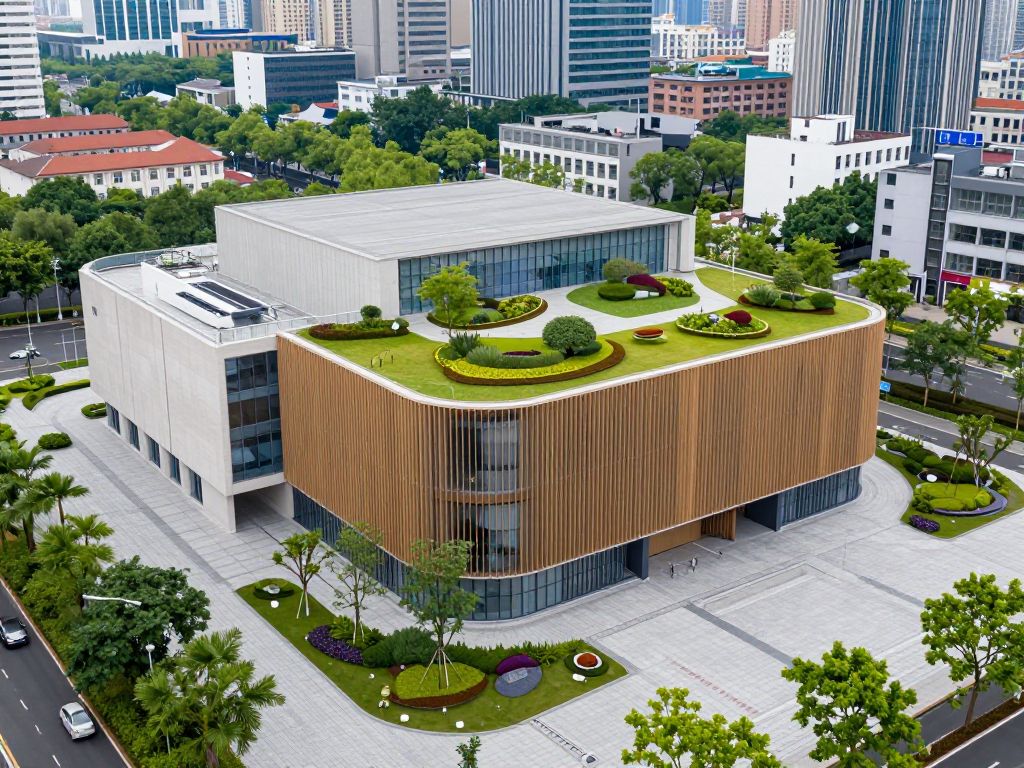
A hallmark of the new ART building is its commitment to sustainable design, aiming for the International Living Future Institute’s Living Building Challenge Core accreditation. This ambitious goal reflects a dedication to environmentally friendly practices and responsible development, serving as a model for future Boston MA business construction projects. The building incorporates a blend of environmental and social strategies to minimize embodied and operational carbon, maximize well-being, boost biodiversity, and enhance resiliency. Key sustainable features include the use of low-carbon, responsibly sourced materials such as laminate mass timber, reclaimed brick, and cedar cladding. The facility will also draw clean energy, including chilled and hot water and electric utilities, from Harvard’s lower-carbon District Energy Facility, supplemented by rooftop solar panels. Natural ventilation systems are designed to reduce energy usage and enhance occupant comfort, while a green roof and extensive native plantings will aid stormwater management and increase biodiversity. This holistic approach to design demonstrates how private sector innovation can lead in sustainable practices, benefiting both the environment and the community.
Economic Ripple Effects and Local Growth
The development of the Goel Center represents a substantial private investment, with a $100-million gift from David Goel ’93 and Stacey Goel enabling the project. Such significant private funding is a powerful catalyst for economic growth, generating numerous jobs during the construction phase and promising ongoing economic activity once operational. The project is managed by Shawmut Design and Construction, a prominent firm in the region. The new cultural hub is expected to increase foot traffic in Allston, benefiting local Boston small business establishments such as restaurants, cafes, and shops. This influx of visitors and activity will contribute to the vitality of the neighborhood, fostering a thriving commercial environment. Harvard University’s broader development in Allston is part of a larger strategy to create a dynamic, connected hub for living, learning, and the arts, with projects like the adjacent 100 South Campus Drive adding sustainable residential units and public spaces. Harvard’s overall economic impact on the local economy has been substantial, attracting research dollars, generating thousands of local jobs, and infusing billions into the economy through job creation, purchasing, and the spending of students and visitors.
Fostering Massachusetts Entrepreneurship
The presence of a world-class institution like ART, coupled with Harvard’s extensive Allston expansion, creates a fertile ground for Massachusetts entrepreneurs. The Goel Center is designed to be a community-facing institution, open to the public during designated hours, offering free Wi-Fi, food and beverage service, and gathering spaces. This openness encourages engagement and collaboration, potentially inspiring new creative ventures and supporting the local arts and culture ecosystem. Harvard’s presence in Allston is already supporting dynamic collaborations among entrepreneurs, artists, and thought leaders, presenting an opportunity to create a true mixed-use district where people live, learn, work, and play. The convergence of art, business, and engineering in this new urban district is expected to create opportunities for creativity and innovation that drive achievements in research. Harvard’s commitment to the Allston community also includes initiatives like the Harvard Allston Partnership Fund, which supports local nonprofit organizations, and the Harvard Ed Portal, which provides support and training for local small business owners.
Looking Ahead: A Brighter Future for Allston
The completion of the David E. and Stacey L. Goel Center for Creativity & Performance, slated for 2026, represents a significant milestone for Allston and the greater Boston area. This development is not merely about constructing a building; it’s about investing in the cultural, economic, and environmental future of a vibrant Boston neighborhood. The project exemplifies how large-scale private initiatives, embracing sustainable practices and community integration, can serve as powerful engines for urban renewal and economic prosperity. As a hub for performance, public gathering, teaching, and international research, the new ART will undoubtedly contribute to Allston’s transformation into a lively and dynamic destination, reinforcing Boston’s reputation as a center for innovation and cultural excellence.
Conclusion
The nearing completion of the American Repertory Theater’s new home in Allston stands as a testament to the power of private investment and innovative design in shaping Boston’s future. This project promises to enrich the cultural landscape, stimulate local economic growth through increased patronage for Boston small businesses, and showcase leading-edge sustainable construction practices. We encourage all residents to explore the developing Allston neighborhood, support its growing array of businesses, and engage with the exciting cultural opportunities that the David E. and Stacey L. Goel Center for Creativity & Performance will soon offer. By actively participating in and supporting these local developments, we collectively contribute to the continued prosperity and vibrancy of Boston MA business and the entire Massachusetts entrepreneurial ecosystem.
FAQ
- What is the name of the new American Repertory Theater building?
- The new American Repertory Theater building is named the David E. and Stacey L. Goel Center for Creativity & Performance.
- Where is the new ART building located?
- The new ART building is located at 175 North Harvard Street in the Allston neighborhood of Boston.
- When is the new ART building expected to open?
- The new ART building is slated for an opening in 2026.
- What are some sustainable design features of the new ART building?
- The building incorporates low-carbon, responsibly sourced materials such as laminate mass timber, reclaimed brick, and cedar cladding. It also uses clean energy from Harvard’s lower-carbon District Energy Facility and rooftop solar panels, along with natural ventilation systems. A green roof and extensive native plantings are also included.
- How many performance venues will the new ART building have?
- The new ART building will have two flexible performance venues: the 700-seat West Stage and a 300-seat East Stage.
- What was the previous home of the American Repertory Theater?
- The American Repertory Theater previously operated out of the Loeb Drama Center in Cambridge, Massachusetts.
Key Features of the David E. and Stacey L. Goel Center for Creativity & Performance
| Feature | Description |
|---|---|
| Name | David E. and Stacey L. Goel Center for Creativity & Performance |
| Location | 175 North Harvard Street, Allston, Boston, MA |
| Completion Year | Expected 2026 |
| Size | Four-story, 85,000-square-foot facility |
| Performance Venues | Two flexible spaces: West Stage (700-seat capacity), East Stage (300-seat capacity) |
| Sustainability Certification Aim | Living Building Challenge Core accreditation from the International Living Future Institute |
| Sustainable Materials | Laminate mass timber, reclaimed brick, cedar cladding |
| Energy Sources | Harvard’s lower-carbon District Energy Facility, rooftop solar panels |
| Additional Green Features | Natural ventilation systems, green roof, native plantings |
| Funding | $100-million gift from David Goel ’93 and Stacey Goel |
Deeper Dive: News & Info About This Topic
HERE Resources
Stoneham Upholds Business Integrity for Local Growth
Downtown Boston Welcomes Tiki Cove: A New Venture
Green Line Derailment Halts Service at Park Street
Flamenco’s Heartbeat: Juanito Pascual Trio Ignites Community Spirit
Woman Charged for Unlicensed Cosmetic Surgery in Boston
Harvard University Housing Announces 2026-27 Rents
Boston’s New Atlas Hotel: A Hub for Community Growth
Boston’s Bowl of ‘Zole: A Culinary Celebration Returns
Boston Mandates Net-Zero Carbon for New Buildings
MA Math Crisis: New Report Reveals Curriculum Gaps

Author: STAFF HERE BOSTON WRITER
The BOSTON STAFF WRITER represents the experienced team at HEREBoston.com, your go-to source for actionable local news and information in Boston, Suffolk County, and beyond. Specializing in "news you can use," we cover essential topics like product reviews for personal and business needs, local business directories, politics, real estate trends, neighborhood insights, and state news affecting the area—with deep expertise drawn from years of dedicated reporting and strong community input, including local press releases and business updates. We deliver top reporting on high-value events such as Boston Marathon, Head of the Charles Regatta, and Boston Harborfest. Our coverage extends to key organizations like the Greater Boston Chamber of Commerce and Associated Industries of Massachusetts, plus leading businesses in finance, biotech, and insurance that power the local economy such as Fidelity Investments, Biogen, and Liberty Mutual Insurance. As part of the broader HERE network, we provide comprehensive, credible insights into Massachusetts's dynamic landscape.