

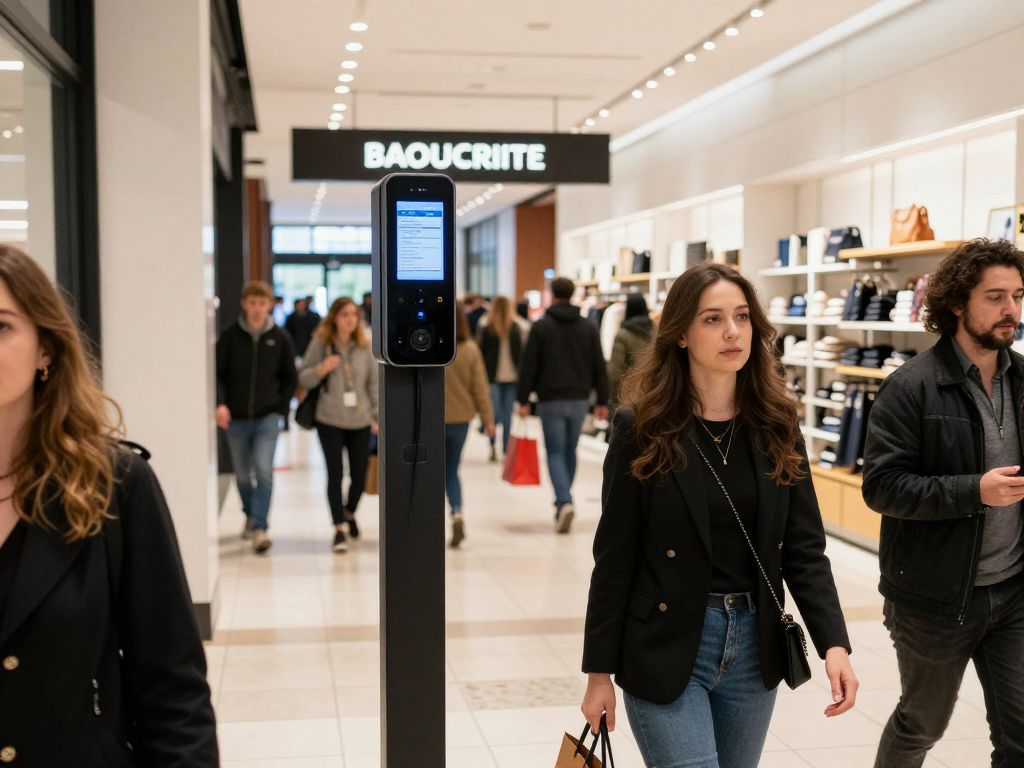
Boston, MA, January 6, 2026
Boston’s retail landscape is evolving with the rise of biometric data collection by businesses like Wegmans. As security measures increase, consumer privacy concerns are leading to calls for transparency and stricter regulations. Recent proposals in Massachusetts aim to enhance data protection rights, balancing innovation with the need for consumer trust amidst technological growth.
Boston, MA
Boston Shoppers & Biometric Data: Navigating Privacy in Retail
As digital innovation continues to reshape the retail landscape, businesses across the nation, including those serving the vibrant Boston MA community, are embracing new technologies to enhance security and streamline operations. This entrepreneurial drive for efficiency and safety, however, often intersects with evolving public discourse around personal privacy. Recent discussions have brought to the forefront questions regarding the collection of biometric data by retailers, prompting both consumers and policymakers to consider the balance between technological advancement and individual rights.
For Massachusetts entrepreneurs and businesses, understanding the nuances of these technologies and the public’s perception is crucial. While the convenience and security benefits of biometrics are undeniable, consumers are increasingly seeking clarity on how their most personal information is handled. This evolving scenario highlights the importance of transparent business practices and thoughtful legislative frameworks that foster economic growth while safeguarding privacy for Massachusetts consumers.
The Rise of Biometric Tools in Modern Retail
Across the retail sector, businesses are exploring innovative solutions to persistent challenges like theft and operational inefficiencies. Biometric recognition technology, which relies on unique physical or behavioral traits such as facial geometry, has emerged as a tool to address these concerns. Retailers adopt these systems with various aims, including securing payments, preventing theft, and sometimes for purposes like employee time and attendance or access control. Nationwide, the use of biometrics for daily authentication has become increasingly common.
The strategic deployment of these technologies can offer enhanced security and potentially improve the shopping experience. However, the advancement of these systems also necessitates a careful consideration of their impact on consumer privacy and trust, an ongoing conversation that shapes the business environment for Boston small business and larger enterprises alike.
Wegmans’ Approach to Store Security
Wegmans, a prominent grocery chain with stores that serve Massachusetts communities, has confirmed its use of facial recognition technology in a limited number of its locations. The company states that these cameras are utilized to identify individuals who pose a risk to staff, customers, or store operations. According to Wegmans, the system is designed to spot individuals who have been previously flagged for misconduct. The identification process is primarily driven by the company’s asset protection staff based on incidents occurring on its property. Additionally, information from law enforcement regarding criminal investigations or missing persons cases is used on a case-by-case basis to assist in identifying individuals for whom to look using the facial recognition systems.
Wegmans has stated that it solely collects facial recognition data and does not gather other forms of biometric information such as retinal scans or voice prints. The company also maintains that images and video captured are retained only for as long as necessary for security purposes and are subsequently disposed of. For security reasons, the exact retention period is not disclosed, though Wegmans asserts it aligns with industry standards. Furthermore, the company claims that it does not share biometric data with third parties. Facial recognition technology, as Wegmans explains, serves as one investigative lead and is not the sole basis for decisions.
Navigating the Nuances of Biometric Disclosure
While Wegmans has clarified its intent and scope of biometric data collection, discussions around transparency remain active, particularly concerning the types of data collected. For instance, in New York City, signs posted at Wegmans’ Manhattan and Brooklyn locations inform customers that “biometric identifier information” is being collected. These notices indicate that this information may include facial recognition, eye scans, and voiceprints. This local signage, mandated by a 2021 New York City law requiring businesses to post clear notices about biometric data collection, highlights a point of difference with Wegmans’ broader statement that it does not collect retinal scans or voice prints. Such discrepancies underscore the need for clear, consistent communication from businesses about their data practices to build and maintain consumer trust, especially in a region like Boston, MA, where consumer awareness is high.
The existence of local regulations, such as the New York City law, demonstrates a growing trend toward mandating transparency. However, these regulations sometimes lack robust enforcement mechanisms, leaving consumers to pursue private legal actions if they believe their rights have been violated. For Boston MA business owners considering biometric technologies, this patchwork of regulations emphasizes the value of proactive transparency and adherence to developing privacy standards.
Massachusetts Legislates on Data Privacy
In response to the evolving digital landscape and growing concerns about personal data, Massachusetts is actively considering new legislative measures to protect consumer privacy. The proposed Massachusetts Data Privacy Act (Senate Bill S.2608 / S.2516) aims to establish comprehensive regulations for how businesses handle sensitive personal information. This State-level legislation seeks to protect individuals in Massachusetts from the exploitation of their precise GPS location, health care information, and biometric data, such as face or fingerprint scans. Key provisions of the proposed Act include guaranteeing consumers the right to know if their personal data is being collected, allowing them to see what data was gathered, and identifying who their data has been shared with. It also empowers individuals with control over their data, granting rights to correct inaccurate information, delete personal data, and opt out of having their data sold.
Significantly, for sensitive categories of data including biometrics, the proposed law would require explicit, informed consent from end-users for collection. It would also prohibit the sale or improper disclosure of biometric information and limit data collection to what is reasonably, and for sensitive data, strictly necessary to provide a product or service. The Massachusetts Attorney General would be granted broad regulatory authority to enforce the provisions of this Act.
Furthermore, another proposed bill in Massachusetts, House Bill H99, known as “An Act Relative to Surveillance Pricing in Grocery Stores,” specifically targets the use of biometrics by grocery stores. This legislation would bar grocery stores from using biometrics to raise prices for certain people or for targeted advertising. Importantly, this bill includes a right of private action for consumers, meaning they could directly sue a grocery store found in violation of the law. This bill is currently moving through the state house of representatives. These legislative efforts reflect a commitment to ensuring that technological innovation in Massachusetts aligns with strong consumer protections.
The Broader Picture: Consumer Trust and Data Security
Beyond Massachusetts, a Nationwide shift in consumer sentiment toward biometric data collection is evident. Surveys reveal increasing skepticism among consumers regarding tech companies’ ability to protect biometric data, with trust levels declining significantly. The concerns are multifaceted, encompassing fears of data breaches, misuse of personal information, identity theft, unauthorized surveillance, and compromised privacy. A primary worry stems from the irreversible nature of biometric data: once compromised, it cannot be easily changed or reset, posing long-term security risks to individuals. The Federal Trade Commission (FTC) has also issued Nationwide warnings about the significant consumer privacy and data security concerns, as well as the potential for bias and discrimination, associated with the increasing use of biometric information and related technologies. The FTC has affirmed its commitment to combating unfair or deceptive acts related to biometric data collection and use.
Despite the convenience and security advantages offered by biometric systems, issues surrounding data storage and management continue to erode consumer trust. Experts suggest that better communication from companies about how biometric technology is used and managed could significantly improve consumer confidence. The absence of stringent federal regulation Nationwide means that the legal landscape for biometric privacy is currently a patchwork of state-level laws, highlighting the need for clarity and consistency for both businesses and consumers across the United States.
Conclusion: Balancing Innovation with Protection for Boston’s Economic Future
The conversation surrounding biometric data collection in retail, exemplified by the discussions around Wegmans’ practices, underscores a crucial balance for Boston, MA, and the wider economy: fostering entrepreneurial innovation while enacting robust consumer protections. Businesses strive for efficiency and enhanced security, driving economic growth and creating jobs for Massachusetts entrepreneurs and workers. However, this progress must be met with a steadfast commitment to transparency and accountability, particularly when it involves sensitive personal information.
The ongoing legislative efforts in Massachusetts to establish clear data privacy standards are a positive step toward providing both consumers and Boston small business owners with a predictable and secure environment. For a thriving Boston MA business landscape, the path forward involves embracing technological advancements responsibly, engaging in open dialogue with customers, and advocating for sensible regulations that protect individual rights without stifling innovation. We encourage all Boston residents to stay informed about these developments and support local businesses that prioritize transparent and secure data practices, contributing to a robust and trustworthy economic future for our community.
Frequently Asked Questions (FAQ)
- What biometric data does Wegmans say it collects?
- Wegmans states it solely collects facial recognition data and does not gather other forms of biometric information such as retinal scans or voice prints.
- Why does Wegmans collect biometric data?
- Wegmans uses facial recognition cameras in a limited number of its stores to help identify individuals who pose a risk to staff, customers, or store operations. The technology is used to spot individuals previously flagged for misconduct.
- Does Wegmans share biometric data with third parties?
- Wegmans claims it does not share biometric data with third parties.
- Are there specific laws in Massachusetts regarding biometric data collection by retailers?
- Massachusetts is actively considering new legislative measures, including the proposed Massachusetts Data Privacy Act (S.2608 / S.2516), which aims to protect biometric data such as face or fingerprint scans. Another proposed bill, House Bill H99, known as “An Act Relative to Surveillance Pricing in Grocery Stores,” would specifically bar grocery stores from using biometrics to raise prices or for targeted advertising.
- What are common consumer concerns about biometric data collection Nationwide?
- Common Nationwide consumer concerns include fears of data breaches, misuse of personal information, identity theft, unauthorized surveillance, and compromised privacy. A primary worry is that once compromised, biometric data cannot be easily changed or reset, posing long-term security risks.
Key Features of Biometric Data Collection in Retail
| Feature | Description | Scope |
|---|---|---|
| Wegmans’ Primary Stated Use | Identifying individuals flagged for misconduct or posing a risk for security purposes. | Nationwide (in a small fraction of stores) |
| Biometric Data Type (Wegmans’ statement) | Facial recognition data only; no retinal scans or voice prints. | Nationwide (Wegmans’ company statement) |
| Biometric Data Type (NYC signage) | May include facial recognition, eye scans, and voiceprints. | Local (New York City stores) |
| Data Retention (Wegmans) | As long as necessary for security purposes; exact period not disclosed. | Nationwide (Wegmans’ company statement) |
| Data Sharing (Wegmans) | Claims not to share biometric data with third parties. | Nationwide (Wegmans’ company statement) |
| Massachusetts Proposed Privacy Act | Aims to protect biometric data, require explicit consent, and limit data collection. | State-level (Massachusetts) |
| Massachusetts Proposed Surveillance Pricing Bill | Would bar grocery stores from using biometrics for price increases or targeted advertising. | State-level (Massachusetts) |
| Consumer Trust Concerns | Skepticism about data protection, fears of breaches, identity theft, and misuse. | Nationwide |
| Federal Trade Commission (FTC) Stance | Warns of privacy, security, bias, and discrimination concerns with biometric tech. | Nationwide |
Deeper Dive: News & Info About This Topic
HERE Resources

Author: STAFF HERE BOSTON WRITER
The BOSTON STAFF WRITER represents the experienced team at HEREBoston.com, your go-to source for actionable local news and information in Boston, Suffolk County, and beyond. Specializing in "news you can use," we cover essential topics like product reviews for personal and business needs, local business directories, politics, real estate trends, neighborhood insights, and state news affecting the area—with deep expertise drawn from years of dedicated reporting and strong community input, including local press releases and business updates. We deliver top reporting on high-value events such as Boston Marathon, Head of the Charles Regatta, and Boston Harborfest. Our coverage extends to key organizations like the Greater Boston Chamber of Commerce and Associated Industries of Massachusetts, plus leading businesses in finance, biotech, and insurance that power the local economy such as Fidelity Investments, Biogen, and Liberty Mutual Insurance. As part of the broader HERE network, we provide comprehensive, credible insights into Massachusetts's dynamic landscape.