

Boston, MA, January 13, 2026
News Summary
In response to recent bomb threats targeting Suffolk University and other locations in Boston, local higher education institutions are enhancing their safety measures. The collaborative efforts of law enforcement and campus security reflect a commitment to ensuring a safe learning environment. Preparedness and community resilience are emphasized, with ongoing training exercises and communication strategies being implemented to mitigate potential risks. These incidents serve as crucial reminders of the collective responsibility to maintain a secure academic atmosphere for all students and faculty.
Boston, MA —
Boston Campuses Bolster Safety After Threats
Recent safety challenges underscore the unwavering commitment of Boston’s higher education institutions to maintaining secure environments for learning and growth. The swift and disciplined response to incidents across the city highlights the importance of preparedness, inter-agency collaboration, and the collective responsibility that underpins a thriving academic community.
Boston’s universities and colleges are vital centers of innovation and scholarship, contributing significantly to the region’s intellectual and economic landscape. Upholding a culture of safety is paramount to fostering academic freedom and ensuring students can pursue their education without undue disruption, reinforcing the core values of personal responsibility and community resilience.
Recent Incidents and Coordinated Response
On Monday, January 12, 2025, Boston police commenced investigations into bomb threats reported at Suffolk University and several other locations throughout the city. Preliminary information indicated that these threats were received on the same day.
This incident followed a similar event on March 7, 2024, when a bomb threat was made at Suffolk University’s Sargent Hall shortly after 4 p.m. During that previous incident, Boston Police and Suffolk University Police requested a bomb squad to assist in the investigation, leading to an evacuation and subsequent all-clear.
The consistent and coordinated response by law enforcement, including the Boston Police Department (BPD) and Suffolk University Police Department (SUPD), demonstrates a robust framework for addressing potential threats. These efforts are critical in safeguarding the well-being of students, faculty, and staff, reflecting the disciplined approach necessary in emergency management.
Enhancing Campus Security Protocols
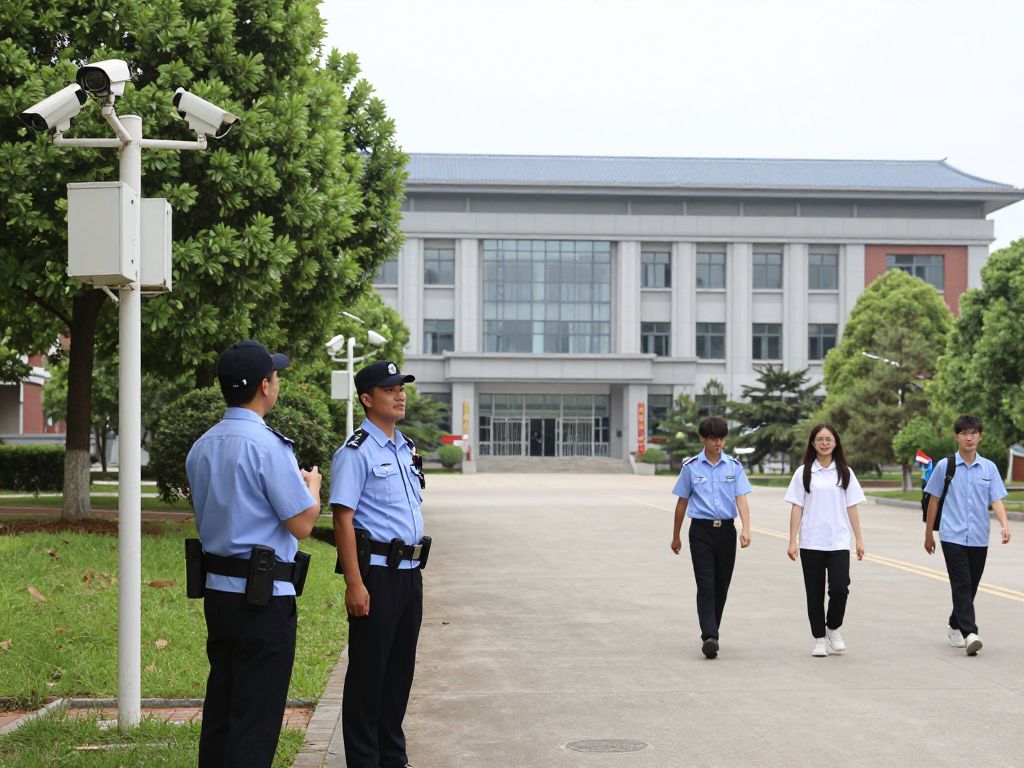
Boston’s higher education institutions routinely review and enhance their security protocols to adapt to evolving challenges. This involves rigorous training exercises, advanced surveillance systems, and clear communication channels to ensure rapid and effective responses to any perceived danger. Emphasizing proactive measures allows campuses to maintain an environment conducive to academic pursuits.
The ability of campus security and local police to work in tandem, sharing information and resources, is a cornerstone of effective safety management. This collaboration extends beyond immediate crisis response to include ongoing intelligence gathering and preventative strategies, all designed to foster a secure academic setting for students and faculty alike.
Community Impact and Resilience
Incidents like bomb threats, while serious, also serve as opportunities to reinforce community resilience. Boston’s college communities often demonstrate remarkable composure and adherence to safety directives during such events. This collective sense of responsibility contributes significantly to mitigating potential harm and restoring normalcy swiftly.
Maintaining open lines of communication with students, parents, and the broader community is essential for transparency and reassurance. Universities actively work to inform stakeholders about safety measures, emergency procedures, and the steps taken to ensure a secure campus, fostering trust and a shared understanding of safety protocols.
The Role of Preparedness and Personal Responsibility
Education plays a pivotal role in campus safety. Students, faculty, and staff are encouraged to understand emergency procedures, recognize suspicious activities, and report concerns promptly. This culture of awareness and personal responsibility is a powerful deterrent and an essential component of comprehensive security. Workshops and informational campaigns are regularly conducted to empower individuals with the knowledge to act responsibly in critical situations.
Furthermore, institutions often conduct drills and simulations to ensure that emergency plans are not just theoretical but practical and effective under pressure. This commitment to continuous improvement in preparedness reflects a dedication to protecting academic freedom and the pursuit of knowledge.
Collaboration Across Massachusetts Higher Education
The challenges faced by one institution can inform and strengthen the security strategies of others across the Commonwealth. There is an ongoing dialogue among security professionals at various universities in Massachusetts higher education to share best practices, technological advancements, and insights into maintaining secure campus environments. This collaborative spirit enhances the overall safety landscape for students throughout the state.
Such partnerships underscore the understanding that campus security is a shared responsibility, extending beyond individual institutional boundaries. By working together, University of Massachusetts campuses and private institutions contribute to a more secure and resilient educational ecosystem for all students and scholars in Boston MA college news.
Summary of Recent Incidents and Responses
The following table summarizes key information regarding recent bomb threats in Boston’s higher education landscape:
| Date of Incident | Location(s) Targeted | Law Enforcement Involved | Outcome/Response |
|---|---|---|---|
| January 12, 2025 | Suffolk University, several other locations across Boston | Boston Police Department | Investigation ongoing. |
| March 7, 2024 | Suffolk University Sargent Hall | Boston Police Department, Suffolk University Police Department | Evacuation, bomb squad assistance, all clear given. |
Conclusion
The recent security challenges in Boston serve as a potent reminder of the ongoing need for vigilance, preparedness, and strong community bonds within our higher education sector. The unwavering commitment to safety by institutions and law enforcement ensures that Boston remains a premier destination for academic excellence and innovation. By emphasizing discipline, personal responsibility, and continuous collaboration, our universities continue to foster environments where students can thrive, pursue knowledge, and emerge as future leaders. We encourage all members of the Boston college community to stay informed about campus safety protocols and contribute to a secure and vibrant academic landscape.
Keywords: University of Massachusetts, Boston MA college news, Massachusetts higher education, campus security, university safety, Suffolk University.
Frequently Asked Questions
What recent security incidents have affected Boston universities?
On January 12, 2025, Boston police investigated bomb threats at Suffolk University and various other city locations. Additionally, on March 7, 2024, a bomb threat was made at Suffolk University Sargent Hall.
Which law enforcement agencies responded to the bomb threats at Suffolk University?
Boston Police and Suffolk University Police responded to the bomb threats at Suffolk University.
What was the outcome of the March 7, 2024, bomb threat at Suffolk University Sargent Hall?
The March 7, 2024, bomb threat at Suffolk University Sargent Hall led to an evacuation and required assistance from a bomb squad, after which an all-clear was given.
What is the current status of the investigations into the January 12, 2025, bomb threats?
As of January 12, 2025, Boston police are investigating bomb threats at Suffolk University and several other locations across the city.
How do Boston universities ensure campus security?
Boston universities enhance campus security through rigorous training, advanced surveillance systems, clear communication channels, and collaboration with local law enforcement, including sharing best practices and technological advancements across Massachusetts higher education.
Deeper Dive: News & Info About This Topic
HERE Resources
Boston Universities Strengthen Campus Safety Protocols
Natick Business Fights Imposter Scam to Protect Reputation
Recent Crime Activity Noted Across Boston
Increase in Assaults Against ICE Officers Raises Alarm
Local Entrepreneur Fights Digital Imposters, Champions Business Integrity
National Security and Tech Deals: Implications for Boston
Recent Police Actions Target Violent Crime Across City
Brown University Shooting: Campus Safety and Recovery Efforts
Nation Braces for Winter Storm as Policy Changes Unfold
Threats Highlight Academic Freedom Concerns at Boston University

Author: STAFF HERE BOSTON WRITER
The BOSTON STAFF WRITER represents the experienced team at HEREBoston.com, your go-to source for actionable local news and information in Boston, Suffolk County, and beyond. Specializing in "news you can use," we cover essential topics like product reviews for personal and business needs, local business directories, politics, real estate trends, neighborhood insights, and state news affecting the area—with deep expertise drawn from years of dedicated reporting and strong community input, including local press releases and business updates. We deliver top reporting on high-value events such as Boston Marathon, Head of the Charles Regatta, and Boston Harborfest. Our coverage extends to key organizations like the Greater Boston Chamber of Commerce and Associated Industries of Massachusetts, plus leading businesses in finance, biotech, and insurance that power the local economy such as Fidelity Investments, Biogen, and Liberty Mutual Insurance. As part of the broader HERE network, we provide comprehensive, credible insights into Massachusetts's dynamic landscape.