
Boston, February 16, 2026
Boston is facing changing weather patterns that challenge its rich history and dynamic spirit. Local experts highlight how Bostonians are leveraging civic innovation and personal initiatives to adapt. As climate patterns evolve, community-driven solutions emerge, fostering resilience and emphasizing local leadership. Initiatives like Climate Ready Boston showcase collaborative efforts to tackle coastal vulnerabilities and create tailored strategies for sustainability. By prioritizing human welfare, Boston is building an adaptable future for its residents.
Boston
Boston’s Weather Shifts: What It Means for Our Community
Local experts weigh in on the changing climate patterns affecting Massachusetts and how Bostonians are adapting through civic innovation and personal initiative.
Boston, a city defined by its rich history and dynamic spirit, is currently navigating evolving weather patterns. These shifts present both challenges and opportunities for our communities. Rather than succumbing to broad, one-size-fits-all mandates, Bostonians are increasingly demonstrating a proactive spirit, embracing local leadership and individual achievement to understand and adapt to these environmental changes. This community-driven approach fosters resilience and highlights the power of local insights in addressing complex issues, ultimately accelerating event coordination and strengthening neighborhood bonds.
The city’s capacity for civic innovation is particularly evident in how residents, local businesses, and municipal entities are collaborating. By focusing on practical solutions and leveraging the collective wisdom of our community, Boston is demonstrating that effective environmental stewardship can thrive when rooted in local choice and a commitment to shared progress. This approach allows for tailored strategies that respect the unique character of each neighborhood while working towards broader resilience for all Massachusetts gatherings.
Understanding Local Climate Trends
Massachusetts has experienced a warming trend over the past century, with average annual temperatures increasing by more than two degrees Fahrenheit. Spring is arriving earlier and bringing more precipitation, heavy rainstorms are more frequent, and summers are hotter and drier across the northeastern United States. These changes impact various aspects of daily life, from urban infrastructure to local ecosystems. The average annual temperatures in the Boston area could be approximately 3 to 10 degrees Fahrenheit greater by 2100, depending on greenhouse gas emissions. The number of days exceeding 90 degrees Fahrenheit could increase significantly, from about 10 days per year historically to potentially 20 to 80 days annually by 2100.
Precipitation patterns are also shifting. While the Northeast has seen a 10 percent increase in average annual precipitation from 1895 to 2011, and precipitation from extremely heavy storms has increased 70 percent since 1958, there could also be more frequent seasonal droughts in the future. These shifts introduce new considerations for stormwater management and flood mitigation planning in Boston, which typically experiences consistent rainfall year-round.
Coastal Vulnerabilities and Adaptation
Boston, with its extensive waterfront development and historical reliance on filled land, faces significant threats from rising sea levels and coastal storms. Sea levels along the Massachusetts coast have already risen 11 inches since 1921, exceeding the global average. Projections suggest an additional rise of 4 to 10 feet by 2100, which could lead to a dramatic increase in tidal flood days in Boston, from around 22 days today to 150 to 365 days per year under intermediate scenarios. The sea level around Boston has risen by 8 inches since 1950, with the rate of rise accelerating in the last decade to about 1 inch every 8 years. It took 36 years for the sea level around Boston to rise by 6 inches, but scientists now forecast another 6-inch rise within the next 15 years.
These rising waters, combined with storm surges, pose economic risks, with potential storm damages in Boston alone reaching $5-100 billion this century. Coastal wetlands, vital for habitat and flood protection, are also at risk, with approximately one-third of the state’s coastal wetlands lost since the 1800s due to development and rising sea levels. In response, Boston has launched initiatives like Climate Ready Boston, which includes coastal resilience plans for its 47-mile coastline and explores strategies such as protective and floodable waterfront parks and green infrastructure. The state of Massachusetts is also investing over $1 billion in sea level rise solutions, including restoration projects, flood prevention, and wetland preservation.
The Role of Local Expertise and Individual Initiative
Local meteorologists play a crucial role in helping Bostonians understand and prepare for changing weather. Their insights provide timely information on major weather pattern changes, heavy rain, strong winds, and potential snowfall, enabling individuals and families to make informed decisions and take personal initiative in their preparedness. This localized expertise is vital in communicating complex weather information effectively to the community. The National Weather Service Boston issues area forecasts and discussions, offering detailed weather outlooks for the region.
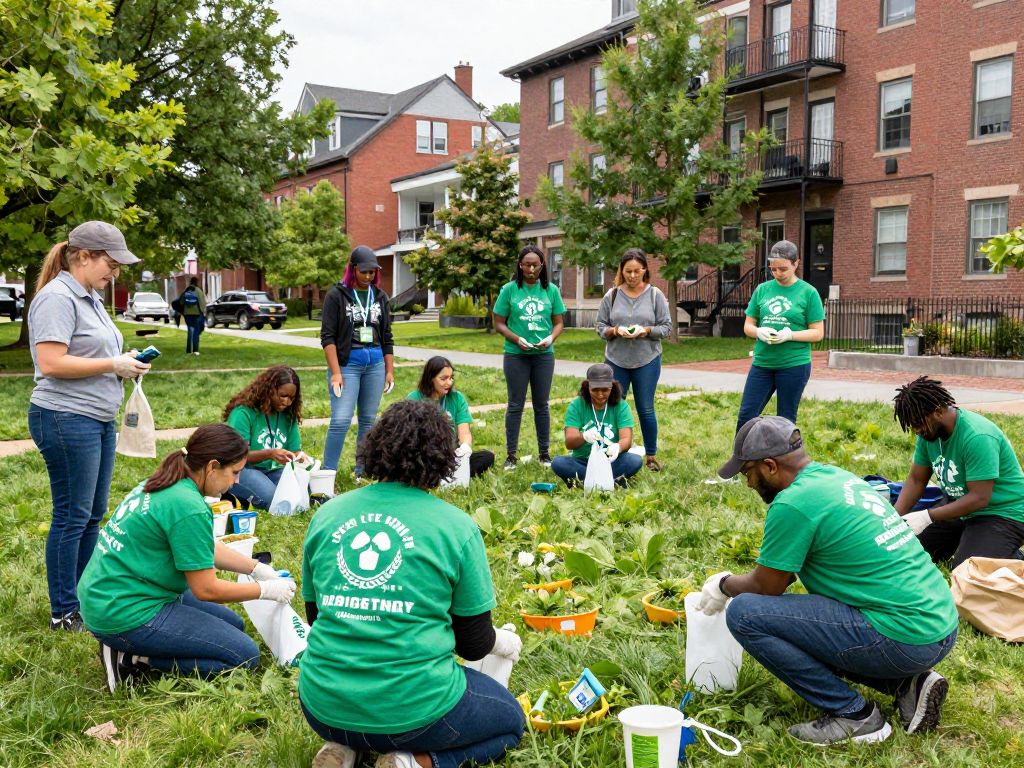
Community engagement is also a cornerstone of Boston’s response. Organizations like the Boston Climate Action Network (BCAN) participate in planning processes like Climate Ready Boston, working to identify neighborhood projects that promote energy efficiency and renewable energy, with a focus on racial and economic justice. These Boston community initiatives empower residents to actively contribute to resilience efforts, fostering a sense of shared responsibility and collective achievement.
Civic Innovation and Community Resilience
Boston’s commitment to civic innovation is evident in its multi-faceted approach to climate resilience. The city is undertaking various initiatives to become more resilient, including developing green infrastructure installations, advancing urban forestry programs, updating wetland and flood ordinances, and educating businesses on their vulnerabilities. Since 1996, Boston’s Zoning Code Article 80 has provided guidelines for development projects, requiring both public and private sector developments to mitigate and adapt to climate change. This encourages private partnerships and responsible development that considers long-term environmental impacts.
The Talbot Norfolk Triangle (TNT) Eco-Innovation District, Boston’s first Eco-District, serves as a model for neighborhood-scale, environmentally-based stewardship, offering programs in water conservation, renewable energy, and climate preparedness. Initiatives like these, along with the City of Boston’s efforts to establish climate resilience hubs in high-priority areas, particularly East Boston and Roxbury, demonstrate a practical approach to strengthening neighborhoods against climate impacts. These hubs aim to aid residents before, during, and after extreme weather events, showing how local institutions can be activated or new facilities established to serve community needs.
Broader Climate Strategy and Human Welfare
Beyond local initiatives, a broader perspective on climate strategy emphasizes human welfare as a central focus. This approach suggests that climate change solutions should prioritize the well-being of individuals and communities, even more than solely focusing on temperature targets or greenhouse gas emissions. This aligns with the principles of limited bureaucracy, allowing for more adaptive and human-centric solutions that can be implemented efficiently at the local level. Boston’s various plans, like the Heat Plan, focus on strategies to address impacts of increased temperatures and extreme heat events, highlighting a direct concern for public health and safety. The city also utilizes environmental sensor networks and collaborates with climate tech startups, demonstrating an embrace of innovation to develop practical solutions. These efforts underscore a belief in individual achievement and innovative solutions that prioritize the well-being of Bostonians.
Conclusion
Boston’s dynamic approach to evolving weather patterns exemplifies the power of civic innovation, personal initiative, and local leadership. By understanding the specific climate trends affecting Massachusetts, addressing coastal vulnerabilities, leveraging local expertise, and fostering community resilience through practical initiatives, Boston is building a stronger, more adaptable future. The focus on human welfare and community-driven solutions, rather than overbearing bureaucracy, allows for effective and equitable responses to environmental challenges. We encourage all Bostonians to stay informed, support local environmental initiatives, and engage in Boston community initiatives to ensure our city continues to thrive for generations to come. Your participation in Boston MA events and Massachusetts gatherings focused on sustainability can make a tangible difference.
Frequently Asked Questions
- What climate changes are affecting Massachusetts?
- Massachusetts has experienced warming temperatures, earlier springs with more precipitation, more frequent heavy rainstorms, and hotter, drier summers. Sea level is also rising, and severe storms are increasingly causing floods that damage property and infrastructure.
- How much has the sea level risen along the Massachusetts coast?
- Sea levels along the Massachusetts coast have risen 11 inches since 1921, exceeding the global average increase of 7-8 inches. The sea level around Boston has risen by 8 inches since 1950, with its speed of rise accelerating over the last decade to about 1 inch every 8 years.
- What are the projections for future sea level rise in Boston?
- Projections indicate seas could rise another 4 to 10 feet by 2100. This could mean 150 to 365 tidal flood days per year in Boston under intermediate scenarios, compared to around 22 days today. Scientists forecast that in the next 15 years, the sea around Boston will rise by another 6 inches.
- What is the potential economic impact of storms and sea level rise in Boston?
- The total cost of storm damages in Boston alone during this century could reach $5-100 billion.
- How is Boston addressing climate change and sea level rise?
- Boston is actively working to build resilience through initiatives like Climate Ready Boston, which includes coastal resilience plans for its 47-mile coastline and strategies such as protective waterfront parks and green infrastructure. The city is also developing green infrastructure installations, advancing urban forestry programs, updating wetland and flood ordinances, and educating businesses on vulnerabilities.
- What is the Talbot Norfolk Triangle (TNT) Eco-Innovation District?
- Launched in 2013, the Talbot Norfolk Triangle (TNT) Eco-Innovation District is Boston’s first Eco-District. It is a 13-block span of 280 homes that serves as a center for neighborhood-scale, environmentally-based stewardship and offers programs in water conservation, renewable energy, sustainable food systems, transit-oriented development, and climate preparedness strategies.
Key Features of Boston’s Climate Adaptation Efforts
| Feature | Description | Scope |
|---|---|---|
| Temperature Changes | Massachusetts has warmed by more than two degrees Fahrenheit in the last century; average annual temperatures in Boston could increase by 3 to 10 degrees Fahrenheit by 2100. | State-level, Local |
| Precipitation Shifts | Earlier springs with more precipitation, more frequent heavy rainstorms, and potential seasonal droughts are observed in the Northeast. | Nationwide, State-level, Local |
| Sea Level Rise | Massachusetts coast has seen an 11-inch rise since 1921; Boston’s sea level has risen 8 inches since 1950 and is projected to rise another 6 inches in 15 years. | State-level, Local |
| Coastal Flood Projections | Boston could experience 150 to 365 tidal flood days per year by 2100. | Local |
| Economic Impact of Storms | Estimated storm damages in Boston could range from $5-100 billion this century. | Local |
| Climate Ready Boston Initiative | City-led initiative with coastal resilience plans for Boston’s 47-mile coastline and strategies for adapting to sea level rise and extreme heat. | Local |
| Talbot Norfolk Triangle (TNT) Eco-Innovation District | Boston’s first Eco-District, focusing on neighborhood-scale environmental stewardship, water conservation, and renewable energy. | Local |
| Community Resilience Hubs | Initiative to establish and support climate resilience hubs in high-priority areas like East Boston and Roxbury to aid residents during extreme weather events. | Local |
| Zoning Code Article 80 | Boston’s regulation since 1996 requiring public and private developments to mitigate and adapt to climate change. | Local |
Deeper Dive: News & Info About This Topic
HERE Resources
Boston’s Blueprint: Building Growth Amid Uncertainty
Boston Faces Climate Adaptation Challenge: Eight Big Digs
Wentworth and Boston Partner for Urban Development
Boston’s Biotech Crossroads: Navigating Challenges and Growth
Boston Faces Retail Logistics Changes with AEO’s Devens Closure
Garlock Flexibles Closes Facilities in Gardner, Massachusetts
Seres Therapeutics Pauses Lead Drug Program Amid Funding Challenges
Boston Accounting Firms Chart Divergent Paths
MIT Alumni Drive Innovations in Various Industries
Boston’s Cultural Renaissance: Innovation & Initiative

Author: STAFF HERE BOSTON WRITER
The BOSTON STAFF WRITER represents the experienced team at HEREBoston.com, your go-to source for actionable local news and information in Boston, Suffolk County, and beyond. Specializing in "news you can use," we cover essential topics like product reviews for personal and business needs, local business directories, politics, real estate trends, neighborhood insights, and state news affecting the area—with deep expertise drawn from years of dedicated reporting and strong community input, including local press releases and business updates. We deliver top reporting on high-value events such as Boston Marathon, Head of the Charles Regatta, and Boston Harborfest. Our coverage extends to key organizations like the Greater Boston Chamber of Commerce and Associated Industries of Massachusetts, plus leading businesses in finance, biotech, and insurance that power the local economy such as Fidelity Investments, Biogen, and Liberty Mutual Insurance. As part of the broader HERE network, we provide comprehensive, credible insights into Massachusetts's dynamic landscape.