

Boston, MA, December 31, 2025
Boston’s commercial real estate market is witnessing significant changes as properties sell at steep discounts, presenting both challenges and opportunities for investors. A notable transaction near South Station saw an office tower sold at a 60% discount, reflecting a nationwide trend in discounted commercial sales. Investors are capitalizing on these opportunities, aiming to repurpose office buildings into residential spaces. The evolving landscape underscores the resilience of Boston’s economy as adaptive strategies may lead to future growth and urban renewal.
Boston’s Office Market: Steep Discounts Pave Way for Renewal
A recent major transaction near South Station highlights evolving dynamics in commercial real estate, presenting both challenges and opportunities for the city’s future economic landscape.
Boston, MA, continues to demonstrate its enduring economic vitality, even as various sectors navigate periods of adjustment and transformation. The city’s dynamic business environment, fueled by innovation and the tireless efforts of its entrepreneurs, frequently adapts to market shifts. While some may see recent commercial real estate trends as a challenge, others recognize them as a fertile ground for strategic private investment and entrepreneurial foresight, potentially reshaping Boston’s urban core for future growth. Such moments often underscore the resilience inherent in a robust local economy, where adaptive strategies and thoughtful private capital deployment can lead to renewed vibrancy and opportunity.
The flexibility of the free market system allows for asset reallocation, ensuring that properties can find their highest and best use, often driven by the vision of innovative investors. This process, while sometimes reflecting market corrections, is ultimately a testament to a healthy economic ecosystem where capital can flow to where it is most effectively utilized. By fostering an environment that encourages private sector initiative and minimizes unnecessary friction, Boston can ensure these market adjustments translate into sustainable economic advantages and expanded opportunities for its residents and businesses.
A Significant Transaction Near South Station
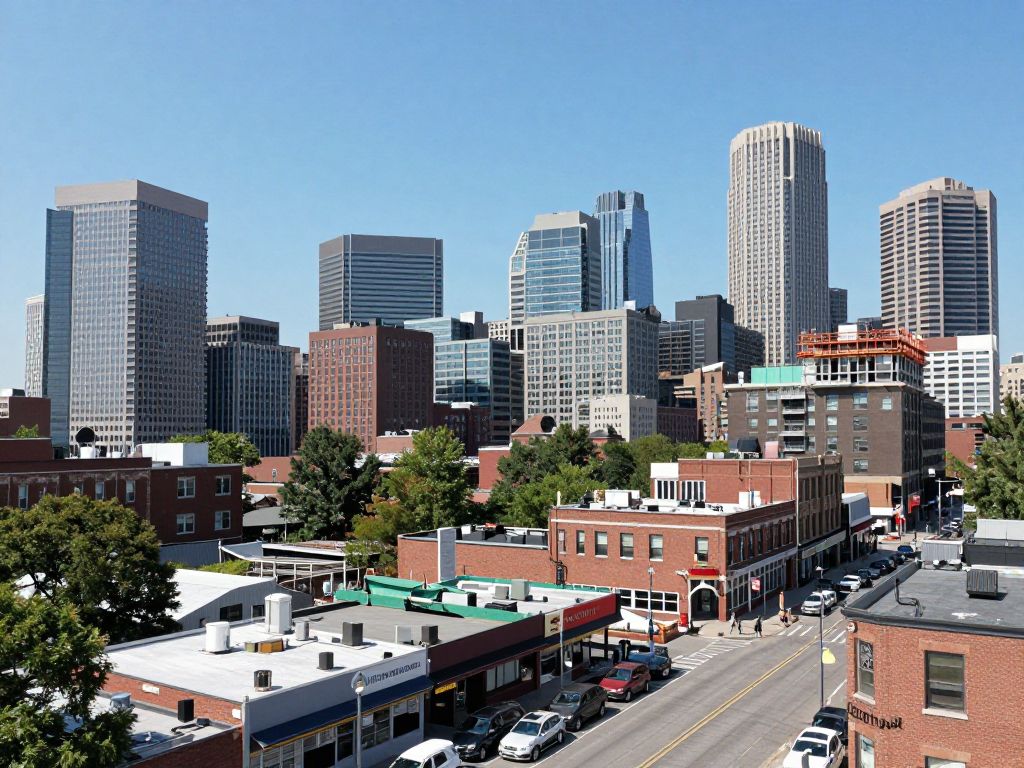
Recent activity in downtown Boston’s commercial real estate market has drawn attention, particularly a notable transaction involving an office tower near South Station. This specific building was sold at a substantial 60% discount compared to its value in 2021. This sale reflects the ongoing recalibration within the commercial property sector, as market conditions evolve and new valuations are established. Such transactions provide crucial data points for understanding current market sentiment and future trends in Boston MA business.
Nationwide Market Dynamics at Play
The trend of office buildings trading at steep discounts is not an isolated phenomenon within Boston, but rather a nationwide pattern observed in other major metropolitan areas. For instance, cities such as Washington D.C. have seen similar deals where commercial properties have changed hands at significantly reduced prices. Furthermore, the market adjustment has been particularly pronounced in Manhattan, where a 23-floor office building reportedly sold at an astonishing 97.5% discount. These nationwide developments underscore a broader re-evaluation of commercial assets across the country, influencing investment strategies and presenting unique opportunities for those prepared to act.
Investors Spotting Opportunity
Amidst these market adjustments, astute investors are actively acquiring buildings at these significant discounts. This strategic move suggests a belief in the long-term value and potential for repositioning these assets. A clear example of entrepreneurial vision involves plans by some investors to convert existing office towers into residential apartments. This type of adaptive reuse can revitalize urban areas, transforming underutilized commercial spaces into much-needed housing, thereby contributing to Boston’s economic growth and addressing community needs. Such private investment in modifying existing structures can lead to innovative solutions for urban development challenges.
Economic Cycles and Long-Term Vision
Market analysts often view these transactions as characteristic movements within an economic cycle. The current environment, characterized by properties selling at significant discounts, is seen by some as an opportunity for investors to acquire assets at or near the bottom of an economic cycle. This perspective highlights a strategic approach to investment, where long-term vision guides current decisions. For Boston MA business, this implies that current adjustments could lay the groundwork for future appreciation and renewed vitality in the commercial real estate sector. The ability of private capital to identify and act on these opportunities is a cornerstone of a healthy and adaptive Boston economy.
Implications for Boston’s Urban Core and Future Growth
The changing landscape of commercial real estate, particularly the strategic acquisition and potential repurposing of properties, holds significant implications for Boston’s downtown areas. By allowing market forces to drive the reallocation of assets, the city’s urban core can evolve to meet new demands, perhaps shifting towards a more mixed-use environment. This transformation, largely driven by private investment and entrepreneurial innovation, can foster a more vibrant and resilient Boston economy. Encouraging such adaptive development, potentially through streamlined regulatory processes, can accelerate the revitalization of key urban districts, ensuring Boston remains a competitive and attractive hub for small businesses and larger enterprises alike.
Fostering a Resilient Boston Economy
The ongoing shifts in Boston’s commercial real estate market exemplify the dynamic nature of economic growth. The willingness of investors to commit capital to properties at reduced valuations, often with plans for innovative redevelopment, showcases entrepreneurial resilience. As Boston navigates these market adjustments, fostering an environment that champions private sector initiative, encourages smart investment, and potentially limits unnecessary regulatory burdens will be crucial. This approach supports not only the revitalization of specific properties but also the broader economic health of the city, ensuring sustained opportunities for Boston small business and continued community prosperity.
As Boston’s economy continues its evolution, the agility and foresight of local entrepreneurs and investors will be key. We encourage our readers to support the diverse array of Boston small business enterprises that form the backbone of our community and to remain engaged in the ongoing dialogue about Boston’s economic future.
Frequently Asked Questions
- What happened with an office building near South Station?
- An office tower near South Station in downtown Boston was sold at a substantial 60% discount compared to its value in 2021.
- Is this trend of discounted office building sales unique to Boston?
- No, the trend of office buildings trading at steep discounts is a nationwide pattern observed in other major metropolitan areas, including Washington D.C. and Manhattan.
- What was a notable discount seen Nationwide?
- A 23-floor office building in Manhattan reportedly sold at an astonishing 97.5% discount.
- What are investors doing with these discounted properties?
- Astute investors are actively acquiring these buildings at significant discounts, with some planning to convert office towers into residential apartments.
- How do market analysts view these transactions?
- Market analysts often view these transactions as characteristic movements within an economic cycle, seeing them as an opportunity for investors to acquire assets at or near the bottom of an economic cycle.
Key Features of Recent Office Building Sales
| Feature | Description | Scope |
|---|---|---|
| Discounted Sale in Boston | An office tower near South Station sold at a 60% discount from its 2021 value. | Boston-specific |
| Nationwide Trend | Office buildings are trading at steep discounts in various major U.S. cities. | Nationwide |
| Significant Nationwide Discount | A 23-floor Manhattan office building sold for a 97.5% discount. | Nationwide |
| Investor Acquisition | Investors are purchasing buildings at significant discounts, often with plans for redevelopment. | General (Applicable to Boston and Nationwide) |
| Adaptive Reuse Example | Plans include converting office towers into residential apartments. | General (Applicable to Boston and Nationwide) |
| Economic Cycle Perspective | These sales are viewed by some as an opportunity to acquire assets near the bottom of an economic cycle. | General Economic Principle |
Deeper Dive: News & Info About This Topic
HERE Resources
Massachusetts Real Estate Market Embraces New Normal
Boston Welcomes 2026 with Vibrant New Year’s Celebrations
Boston’s 2026 Horizon: Major Developments on the Rise
Strengthening Boston’s Economy Through Local Entrepreneurship
Boston Office Market Faces 20% Vacancy but Signs of Recovery Emerge
Boston Area Sees Major Apartment Sale in Watertown
Boston Businesses Navigate Tariff Headwinds
Boston Corporate Complex Acquisition Signals Change
Essex County’s Commercial Property Market Drives Growth
Boston’s Business Landscape Navigates Retail Headwinds as Local Innovation Shines

Author: STAFF HERE BOSTON WRITER
The BOSTON STAFF WRITER represents the experienced team at HEREBoston.com, your go-to source for actionable local news and information in Boston, Suffolk County, and beyond. Specializing in "news you can use," we cover essential topics like product reviews for personal and business needs, local business directories, politics, real estate trends, neighborhood insights, and state news affecting the area—with deep expertise drawn from years of dedicated reporting and strong community input, including local press releases and business updates. We deliver top reporting on high-value events such as Boston Marathon, Head of the Charles Regatta, and Boston Harborfest. Our coverage extends to key organizations like the Greater Boston Chamber of Commerce and Associated Industries of Massachusetts, plus leading businesses in finance, biotech, and insurance that power the local economy such as Fidelity Investments, Biogen, and Liberty Mutual Insurance. As part of the broader HERE network, we provide comprehensive, credible insights into Massachusetts's dynamic landscape.