

Boston, MA, December 29, 2025
Boston’s commercial real estate landscape is currently challenged by a significant office vacancy rate exceeding 20%. However, positive indicators of recovery are emerging, driven by strong entrepreneurial spirits and strategic investments in local startups and life sciences. Companies like Hasbro and Lego are committing to the city, while life sciences leasing activity rebounds despite overall vacancies. These factors suggest a potential turnaround for Boston’s economy, with optimism for future growth in the coming years.
Boston Office Market: Over 20% Vacancy, Yet Turnaround Signals Emerge
Despite rising vacancy rates, Boston’s entrepreneurial spirit and strategic investments suggest a promising shift for the local commercial real estate landscape, hinting at a market turnaround for 2026.
Boston, MA
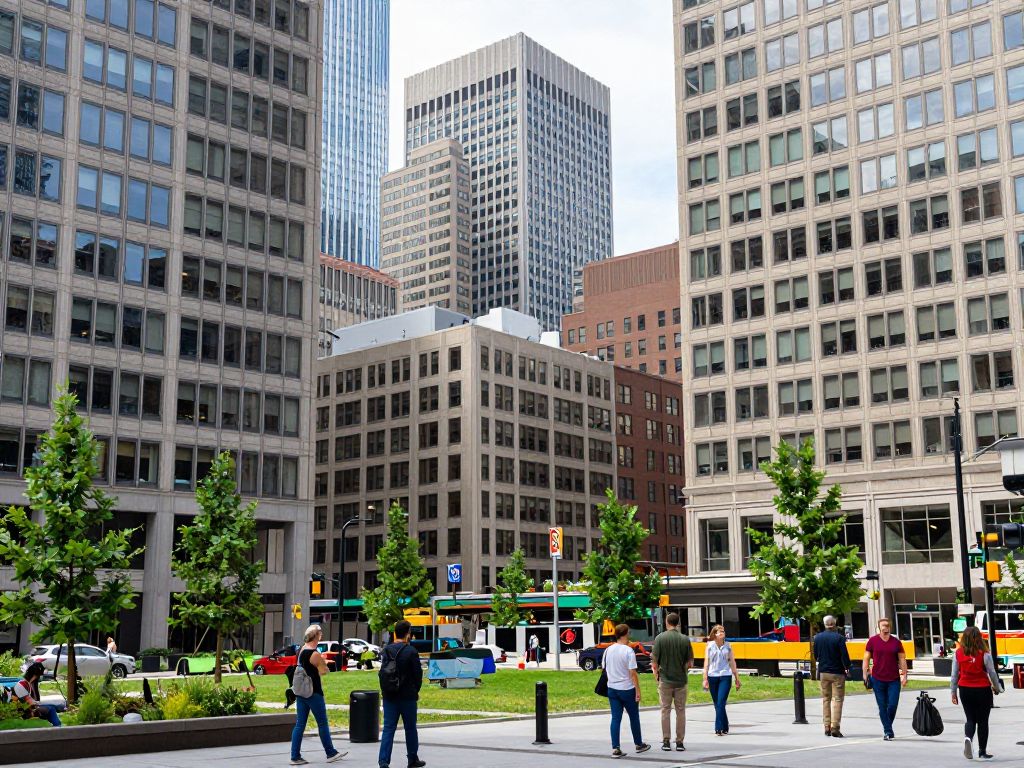
Boston, a city renowned for its historical significance and a hub of modern innovation, finds its commercial real estate market at a critical juncture. The city’s office vacancy rate has climbed above 20%, a figure that might give pause to even the most seasoned observers. Yet, beneath this headline number, signs of resilience and an impending market turnaround are emerging. This situation highlights the inherent dynamism of the Boston MA business environment, where challenges often spur innovation and reaffirm the strength of local enterprise and strategic foresight. The city’s ability to adapt, driven by its robust startup ecosystem and a continued influx of strategic private investments, underscores a narrative of enduring economic vitality.
The current market dynamics also bring into focus the delicate balance between necessary oversight and fostering an environment where businesses can flourish. While regulation serves a vital role, a streamlined and responsive regulatory framework can significantly accelerate business growth and development. Boston’s ongoing economic evolution demonstrates how a proactive approach to supporting its diverse business landscape—from burgeoning Boston small business ventures to established industry leaders—is crucial for navigating fluctuating market conditions and ensuring sustained prosperity for its communities.
The Current Landscape: A Glimpse at Boston’s Office Vacancy
Recent reports indicate that Boston’s office vacancy rate has surpassed 20%. This figure is a topic of considerable discussion among real estate professionals and business leaders alike. However, it is essential to look beyond the raw numbers to understand the underlying currents at play. While the overall office market faces challenges, certain sectors and submarkets within Boston demonstrate different trends. The life sciences sector, for example, has seen its overall vacancy climb to 33.9% as of mid-2025, a significant increase year-over-year. Despite this, vacancy in East Cambridge, a key life sciences hub, remained tighter at 19.9%. This indicates a complex market where different segments are performing distinctively.
Emerging Trends: Green Shoots of Recovery and Strategic Commitments
Despite the high overall vacancy, there are encouraging indicators pointing towards a market turnaround. There are reports of falling vacancies and rising leases in some segments. Major corporations are reaffirming their commitment to Boston, with companies like Hasbro and Lego making strategic moves within the city. Furthermore, a notable uptick in demand was observed in the life sciences market during the first half of 2025, illustrating its resilience despite broader economic headwinds. Leasing volume by mid-2025 had already reached 95.6% of 2024’s year-end total, including large and mid-sized deals. This resurgence in activity is a positive sign for the Massachusettes entrepreneurs and businesses driving these sectors.
Significant life sciences leases underscore this trend. Eli Lilly executed a lease for 75,000 square feet in the Seaport in mid-September 2025. Biogen signed a fifteen-year lease for 580,000 square feet for its new corporate headquarters in Kendall Common, a development currently in planning. Foghorn Therapeutics committed to 73,000 square feet in Watertown, and Intellia Therapeutics inked a 101,000 square foot deal at 400 Technology Square, with expansion options for another 46,000 square feet. These substantial commitments by blue-chip users signal confidence in Boston’s long-term economic prospects.
Entrepreneurial Drive and Innovation Fueling Growth
Boston’s robust startup ecosystem plays a pivotal role in its economic resilience. The city has been ranked as a top hub for startups, benefiting from strong ties between its universities, research centers, and the private sector. Programs at institutions like Harvard and MIT provide startups with access to laboratories, expert advice, and opportunities to test their products. Government initiatives, including grants and tax incentives, also facilitate access to necessary resources for early-stage companies. Boston’s startup economy is poised for growth in 2025, with increasing enthusiasm to apply AI breakthroughs to various industries and lower interest rates attracting more investors.
In 2025, Boston’s startup community continues to diversify and grow, advancing in biotechnology, healthcare, artificial intelligence, sustainability, fintech, and cybersecurity. Boston startups raised nearly $4 billion in 2024, and Massachusetts Life Sciences companies alone secured $7.8 billion in venture capital funding. The city raised $17.8 billion across over 800 deals in 2025. This vibrant environment, fostered by Massachusettes entrepreneurs, is crucial for job creation and for innovating solutions to challenges in healthcare, finance, and environmental management.
Strategic Investments and Private Sector Confidence
Private investment continues to be a driving force in Boston’s economic development. The commitment of established businesses like Hasbro, Lego, and pharmaceutical giant Eli Lilly to Boston underscores a strong private sector confidence in the city’s future. The financial services and investment management sectors are also thriving. While traditional office spaces face challenges, developers continue to propose life science projects, with some existing office buildings being converted into lab/office spaces. This adaptability and willingness to invest in specialized real estate highlight a market that is actively repositioning itself for future growth.
The city’s economic growth is also supported by its classification of taxable property, which makes the development of commercial, industrial, and personal property particularly beneficial. Business properties generate a significant share of the total tax levy, contributing substantially to city services. This strong financial base, bolstered by private enterprise, allows for sustained investment in the city’s infrastructure and services.
The Life Sciences Boom: A Boston Cornerstone
The life sciences sector remains a cornerstone of Boston’s economy and a key driver of its commercial real estate market. Boston is home to one of the highest concentrations of life science development in the nation. Despite a recorded high vacancy rate in the overall life science market at 33.9% in mid-2025, demand has shown an uptick, with leasing volume in the first half of 2025 reaching 95.6% of the previous year’s total. Asking rents in the life sciences market were stable during the first half of 2025, ticking up modestly in the second quarter, with East Cambridge commanding the highest rates. This sector’s ongoing strength and significant leasing activities underscore its critical role in absorbing commercial space and generating economic activity for Boston MA business.
Community Engagement and Future Outlook
Community involvement and strategic partnerships are vital for Boston’s economic development. Organizations like the Dudley Street Neighborhood Initiative (DSNI) organize residents to revitalize neighborhoods, increase economic opportunities, and leverage community creativity. The Boston Impact Initiative invests in Eastern Massachusetts-based enterprises committed to economic justice, community resilience, and enterprise health, utilizing various integrated capital tools including loans and equity investments. Additionally, the Boston Local Development Corporation (BLDC) provides small business loans to support job creation and business growth within Boston. The city aims to be a global model of economic equity, fostering local talent, innovative ideas, and thriving neighborhoods. Collaborative efforts among academic institutions, industry leaders, and government agencies continue to drive progress, indicating that Boston is adapting to global shifts in technology and economic priorities. The overall outlook for 2026 suggests a hopeful turnaround, as evidenced by falling vacancies and rising leases.
Boston’s commercial real estate market is undeniably navigating a complex period marked by elevated office vacancy rates. However, the underlying currents of entrepreneurial innovation, strategic private investments, and a robust life sciences sector are collectively signaling a promising turnaround. The resilience of Boston MA business, the ingenuity of Boston small business, and the unwavering spirit of Massachusettes entrepreneurs are key to this revitalizing trend. As the city moves forward, continued support for local enterprises and a balanced approach to regulation will be crucial in fostering sustained economic growth and opportunity for all. We encourage our readers to support local businesses and remain engaged in Boston’s dynamic economic future.
Frequently Asked Questions about Boston’s Office Market Turnaround
- What is the current office vacancy rate in Boston?
- Boston’s office vacancy rate has climbed above 20%.
- Are there signs of a market turnaround despite the high vacancy rate?
- Yes, signs point to a market turnaround, with falling vacancies, rising leases, and strategic moves by companies like Hasbro, Lego, and life sciences firms hinting at recovery.
- How is the life sciences sector performing in Boston’s commercial real estate market?
- The life sciences sector has seen its overall vacancy climb to 33.9% as of mid-2025, but demand saw an uptick in the first half of 2025, with leasing volume reaching 95.6% of 2024’s total.
- What role do startups and innovation play in Boston’s economic growth?
- Boston’s startup economy is poised for growth in 2025, with the city being a top hub for startups, benefiting from strong ties between its universities, research centers, and the private sector.
- What is the outlook for Boston’s real estate market in 2026?
- Optimism exists for 2026, with signs suggesting that the Boston real estate market will turn around.
Key Features of Boston’s Office Market Dynamics
| Feature | Details | Scope |
|---|---|---|
| Current Office Vacancy Rate | Above 20% | Boston |
| Signs of Turnaround | Falling vacancies, rising leases, moves by Hasbro, Lego, and life sciences firms. | Boston |
| Life Sciences Vacancy (Mid-2025) | 33.9% overall, 19.9% in East Cambridge | Boston, East Cambridge |
| Life Sciences Leasing Volume (Mid-2025) | 95.6% of 2024’s year-end total | Greater Boston |
| Startup Ecosystem Ranking | #6 globally, #3 in the US | Boston (Nationwide, Global) |
| Startup Funding (2025) | $17.8 billion across 800+ deals | Boston |
| Startup Funding (2024) | Nearly $4 billion (Boston), $7.8 billion for Massachusetts Life Sciences companies | Boston, State-level (Massachusetts) |
| Major Lease Commitments (2025) | Eli Lilly (75,000 sq ft), Biogen (580,000 sq ft), Foghorn Therapeutics (73,000 sq ft), Intellia Therapeutics (101,000 sq ft) | Boston (Seaport, Kendall Common, Watertown, Technology Square) |
Deeper Dive: News & Info About This Topic
HERE Resources
Boston Area Sees Major Apartment Sale in Watertown
Boston Businesses Navigate Tariff Headwinds
Boston Corporate Complex Acquisition Signals Change
Essex County’s Commercial Property Market Drives Growth
Boston’s Business Landscape Navigates Retail Headwinds as Local Innovation Shines
Boston City Council Approves Increased Tax Rates
Boston’s Business Innovation: Digital Strategies and Sustainability
Incident Highlights Safety Concerns for Boston Businesses
Boston’s Tech Sector Sees Record M&A Activity
Massachusetts-Based REIT Faces Debt Challenges Amid Restructuring

Author: STAFF HERE BOSTON WRITER
The BOSTON STAFF WRITER represents the experienced team at HEREBoston.com, your go-to source for actionable local news and information in Boston, Suffolk County, and beyond. Specializing in "news you can use," we cover essential topics like product reviews for personal and business needs, local business directories, politics, real estate trends, neighborhood insights, and state news affecting the area—with deep expertise drawn from years of dedicated reporting and strong community input, including local press releases and business updates. We deliver top reporting on high-value events such as Boston Marathon, Head of the Charles Regatta, and Boston Harborfest. Our coverage extends to key organizations like the Greater Boston Chamber of Commerce and Associated Industries of Massachusetts, plus leading businesses in finance, biotech, and insurance that power the local economy such as Fidelity Investments, Biogen, and Liberty Mutual Insurance. As part of the broader HERE network, we provide comprehensive, credible insights into Massachusetts's dynamic landscape.