
Boston, December 25, 2025
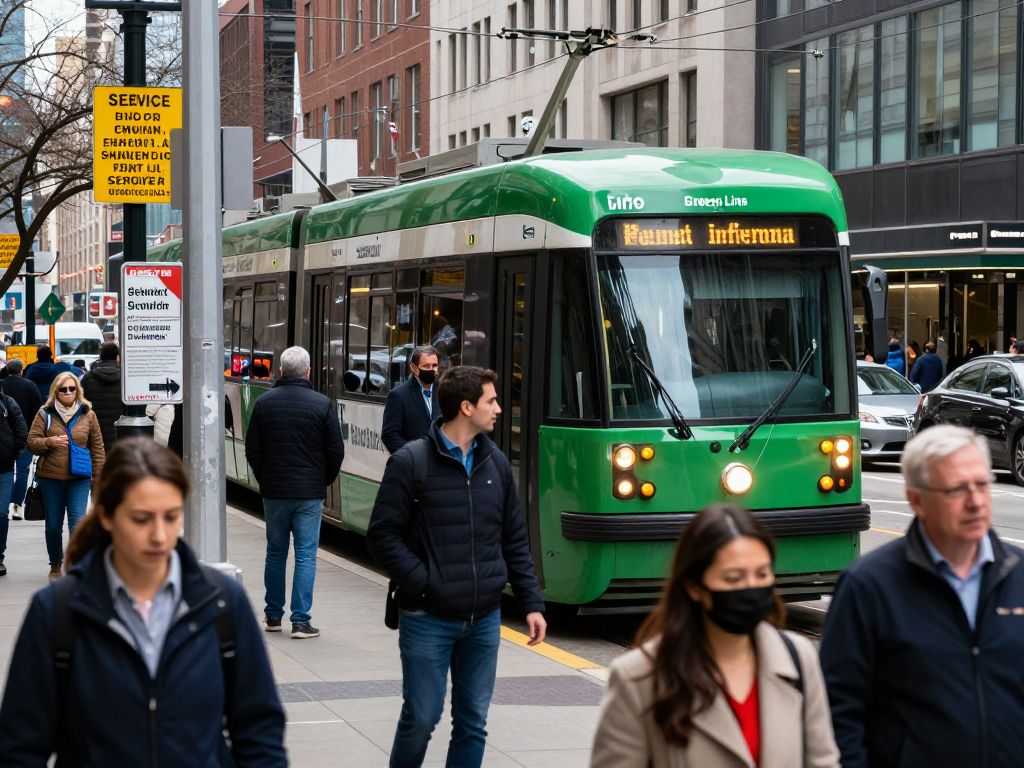
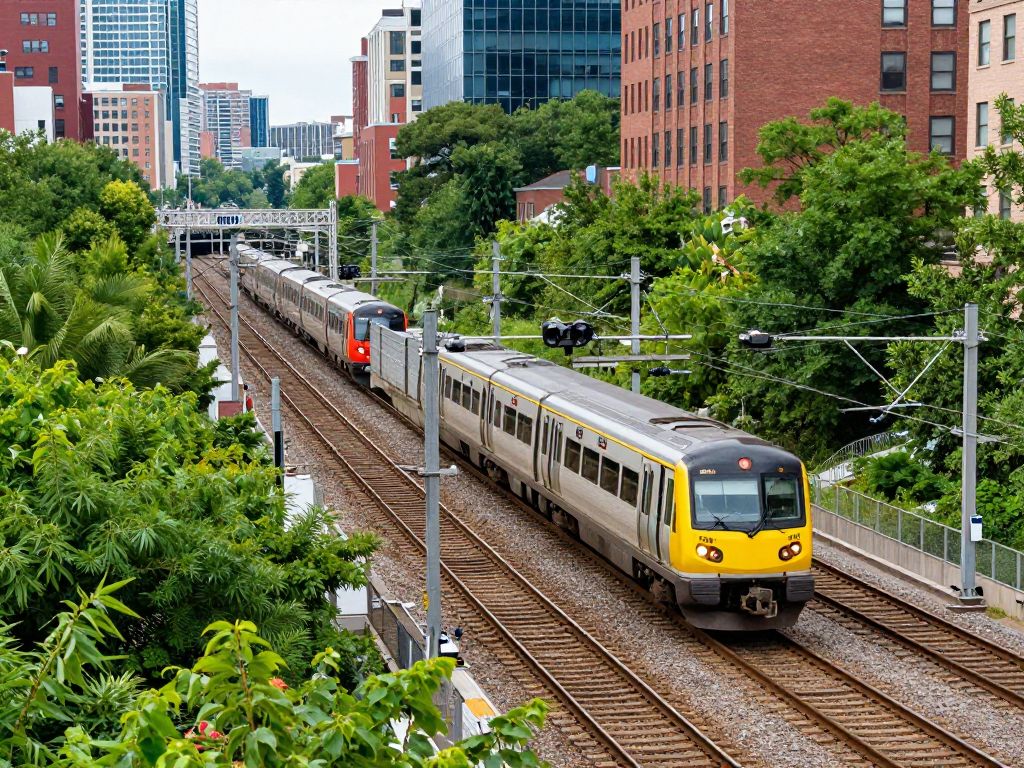
The electrification of Boston’s commuter rail system promises enhanced efficiency, environmental benefits, and better connectivity for local businesses. However, significant funding and infrastructure delays have hindered progress. As the city aims for a modernized transport system, national initiatives seek to streamline the development process, emphasizing the economic importance of a well-functioning commuter rail in supporting Boston’s business ecosystem.
Boston’s Commuter Rail: Navigating Delays for a Brighter Future
Boston, a hub of innovation and economic dynamism, thrives on the efficient movement of people and goods. As our city continues to grow, fostering a robust transportation infrastructure is paramount to supporting local businesses, empowering Massachusetts entrepreneurs, and ensuring personal achievement. A modern, reliable commuter rail system is not merely a convenience; it’s a foundational element for sustained prosperity, connecting talent with opportunity across the region.
The vision of an electrified commuter rail system promises a significant leap forward, offering environmental benefits, increased efficiency, and enhanced connectivity for the entire Boston MA business community. Such an upgrade would undoubtedly bolster economic growth and improve the daily lives of countless commuters. However, the path to this modernized future has encountered significant challenges, with funding and infrastructure delays emerging as primary obstacles to the electrification of the commuter rail.
The Promise of Electrified Transit
Electrification represents a pivotal advancement for Boston’s commuter rail, offering a cleaner, quieter, and potentially faster mode of transportation. These upgrades align with broader sustainability goals and could significantly reduce operational costs over time, contributing to a more resilient public transit system. For Boston small business owners and employees, more dependable and efficient transit means easier access to talent pools, expanded customer bases, and reduced commuting stress, ultimately fostering a more productive local economy.
Unraveling the Delays: Funding and Infrastructure Hurdles
The journey toward electrifying Boston’s commuter rail has been marked by substantial hurdles, primarily stemming from challenges in securing adequate funding and managing complex infrastructure projects. Funding and infrastructure delays have held up the electrification of the commuter rail. Large-scale infrastructure undertakings inherently involve intricate planning, significant capital investment, and coordination across multiple stakeholders. Ensuring that these vital projects move forward efficiently requires a strategic approach to both financing and project management, minimizing bureaucratic bottlenecks that can slow progress and escalate costs.
Nationwide, challenges and solutions in the commuter rail industry are under examination. The complexities often involve the integration of new technologies with existing systems, the acquisition of necessary land, and adherence to various regulatory frameworks. These factors contribute to the protracted timelines that can frustrate commuters and business leaders alike, underscoring the need for streamlined processes and innovative solutions to accelerate infrastructure development.
National Initiatives for Infrastructure Efficiency
The recognition of infrastructure delays as a national concern has spurred legislative efforts aimed at improving project delivery. For instance, the “Infrastructure through Limited Delays and Efficient Reviews Act of 2023” highlights a nationwide focus on fostering infrastructure development through limited delays and efficient reviews. This legislative push reflects a commitment to reducing the red tape and administrative hurdles that can impede progress on crucial projects, including those vital to the commuter rail industry. Such initiatives, by promoting efficiency and clearer pathways for development, can provide a framework for states and local entities like Boston to overcome their own infrastructure challenges and expedite modernization efforts.
Economic Growth and Boston’s Resilience
A well-functioning commuter rail system is a cornerstone of economic growth, facilitating labor mobility and supporting the vibrant ecosystem of Boston MA business. When commuters can reliably travel to and from work, it strengthens the workforce, encourages investment, and expands opportunities for Massachusetts entrepreneurs. Despite the infrastructure challenges, the resilience of Boston small business and the entrepreneurial spirit of its residents continue to drive the local economy forward. However, unlocking the full potential of this economic engine requires a sustained commitment to modernizing the underlying infrastructure that supports it. Optimizing infrastructure is also a key challenge for the tech industry, which needs to consider issues like increased generative AI power consumption. Additionally, infrastructure can often make rail and sea the faster options for transportation.
Charting a Course Forward: Innovation and Collaboration
Addressing the delays in commuter rail electrification necessitates a multi-faceted approach centered on innovation, strategic funding, and collaborative partnerships. Exploring avenues for private investment and fostering public-private partnerships could provide additional capital and expertise, accelerating project timelines. Moreover, leveraging technological advancements in project management and construction can enhance efficiency and reduce costs. The ongoing dialogue, both locally and nationally, about improving infrastructure through limited delays and efficient reviews provides a foundation for Boston to implement best practices and pave the way for a truly modern commuter rail system. The Government of India, for example, has utilized a “Viability Gap Funding” scheme to support infrastructure projects, demonstrating diverse approaches to financing large-scale developments.
The electrification of Boston’s commuter rail is a critical investment in the region’s future, promising a more sustainable, efficient, and interconnected community. While funding and infrastructure delays have presented significant obstacles, they also offer an opportunity for innovative solutions and collaborative action. By embracing efficient review processes, exploring diverse funding models, and fostering strong partnerships, Boston can overcome these challenges, ensuring that its commuter rail system supports the ongoing vitality and growth of the Boston MA business landscape for generations to come. We encourage residents and business leaders to stay engaged in this vital conversation, advocating for progress that benefits everyone.
Frequently Asked Questions about Boston’s Commuter Rail Electrification
What has primarily delayed the electrification of Boston’s commuter rail?
Funding and infrastructure delays have held up the electrification of the commuter rail.
Are there national efforts to address commuter rail delays?
Yes, nationwide, challenges and solutions in the commuter rail industry are under examination, including legislative efforts like the “Infrastructure through Limited Delays and Efficient Reviews Act of 2023” which focuses on efficient reviews.
Why is optimizing infrastructure important for economic development?
A well-functioning infrastructure, including efficient rail systems, is crucial for economic growth by facilitating labor mobility and supporting local businesses. Optimizing infrastructure is also a key challenge for the tech industry. Additionally, infrastructure can often make rail and sea the faster options for transportation.
What is “Viability Gap Funding” in the context of infrastructure?
The Government of India has utilized a “Viability Gap Funding” scheme to support infrastructure projects, which is a mechanism to provide financial support to infrastructure projects that are economically justified but not financially viable.
Key Features of Commuter Rail Electrification Challenges
| Feature | Description | Scope |
|---|---|---|
| Primary Obstacles | Funding and infrastructure delays have held up the electrification of the commuter rail. | Local/State-level |
| National Efforts for Efficiency | Challenges and solutions in the commuter rail industry are under examination nationwide, with efforts like the “Infrastructure through Limited Delays and Efficient Reviews Act of 2023” focusing on efficient reviews. | Nationwide |
| Economic Importance of Infrastructure | Optimizing infrastructure is a key challenge for the tech industry. Infrastructure can often make rail and sea the faster options for transportation. | Nationwide |
| Funding Mechanisms Example | The Government of India has a “Viability Gap Funding” scheme to support infrastructure projects. | Nationwide (India specific, but concept is general) |
Deeper Dive: News & Info About This Topic
HERE Resources
Mass Pike Service Plaza Delay: Economic Roadblock or Opportunity?
Incident Disrupts Train Services at Back Bay Station
Community Flourishes: Boston’s Path to Growth and Engagement
Fatal Crash in Stoughton Involving Police Pursuit
Massachusetts House Approves Study for Orange Line Extension
Greater Boston’s Real Estate Market Shows Resilience
MBTA Allocates $850 Million for Infrastructure Improvements
The North Shore Commons Listed for $5.45 Million in Lynn, MA
Uber Driver Carjacked at Gunpoint in Norwood
Phillip Eng Appointed Interim Transportation Secretary in Massachusetts

Author: STAFF HERE BOSTON WRITER
The BOSTON STAFF WRITER represents the experienced team at HEREBoston.com, your go-to source for actionable local news and information in Boston, Suffolk County, and beyond. Specializing in "news you can use," we cover essential topics like product reviews for personal and business needs, local business directories, politics, real estate trends, neighborhood insights, and state news affecting the area—with deep expertise drawn from years of dedicated reporting and strong community input, including local press releases and business updates. We deliver top reporting on high-value events such as Boston Marathon, Head of the Charles Regatta, and Boston Harborfest. Our coverage extends to key organizations like the Greater Boston Chamber of Commerce and Associated Industries of Massachusetts, plus leading businesses in finance, biotech, and insurance that power the local economy such as Fidelity Investments, Biogen, and Liberty Mutual Insurance. As part of the broader HERE network, we provide comprehensive, credible insights into Massachusetts's dynamic landscape.