
Boston, February 13, 2026
Boston City Councilor Ed Flynn has proposed a ban on e-bikes, mopeds, and motorized scooters for food delivery drivers, responding to rising safety concerns following numerous reckless incidents and a pedestrian fatality. The legislative efforts aim to improve pedestrian safety and regulate e-bike operations throughout the city. The proposal has stirred mixed reactions from residents about the implications for delivery drivers’ livelihoods, especially low-income workers reliant on these vehicles. Discussions on alternative measures for safer riding behaviors are also underway.
Boston Considers Restricting E-Bikes and Motorized Scooters for Food Delivery Amid Rising Safety Concerns
Boston City Councilor Ed Flynn has introduced legislation proposing a ban on the use of e-bikes, mopeds, and motorized scooters by third-party food delivery app drivers in the city, citing growing public safety concerns. The proposal, filed this week, seeks to address what Councilor Flynn describes as a pattern of reckless riding behavior that has led to a worsened pedestrian safety crisis on Boston’s streets.
Immediate Concerns and Legislative Action
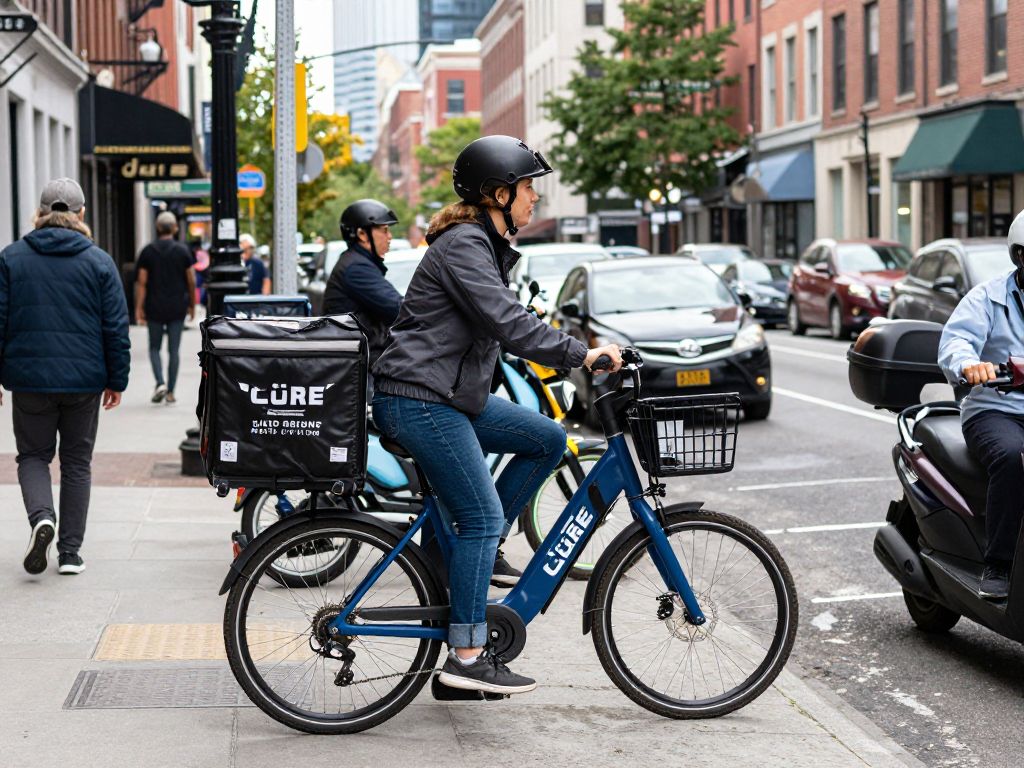
The impetus for this legislative push stems from numerous complaints from residents regarding delivery drivers operating these vehicles in ways that disregard traffic laws, including speeding, running red lights and stop signs, driving against traffic, and riding on sidewalks. These behaviors, according to Councilor Flynn, pose an unpredictable danger to pedestrians.
A tragic incident last summer, in which a pedestrian was struck by a delivery e-bike near Copley Square and later died from their injuries, has further fueled the call for stricter regulations.
Councilor Flynn’s proposed amendment would specifically prohibit third-party delivery drivers from utilizing e-bikes, mopeds, or similar motorized two-wheelers for deliveries within Boston.
In addition to the proposed ban for delivery drivers, Councilor Flynn has also introduced a new ordinance designed to regulate all e-bikes throughout the city. This broader regulation may include requirements for licensing, safety features, and speed limits for various classes of e-bikes. For instance, the draft suggests that e-bikes capable of exceeding 20 miles per hour would be barred from bike lanes and sidewalks, and riders of such vehicles would be mandated to wear helmets. Furthermore, any e-bike capable of speeds over 30 miles per hour could be classified similarly to a moped or motorcycle, necessitating Massachusetts Registry of Motor Vehicles (RMV) registration and a driver’s license.
Underlying Dynamics and Existing Frameworks
Councilor Flynn has voiced concerns that third-party delivery companies may be incentivizing low-wage workers to prioritize speed over safety in order to complete more order assignments and maintain high ratings. This emphasis on rapid delivery, he suggests, contributes to the dangerous street conditions observed.
This latest proposal arrives shortly after a separate, broader city ordinance took effect in January 2026. This ordinance, passed by the Boston City Council in April 2025, mandates that third-party delivery companies like DoorDash, Uber Eats, and Grubhub obtain a permit to operate within Boston. The permit requires these companies to provide proof of an umbrella insurance policy covering their drivers across all modes of transportation, and to submit anonymized safety data to the city’s transportation department.
The city’s earlier efforts to encourage a shift from car-based deliveries to two-wheeled vehicles, partly to reduce congestion, have inadvertently contributed to the current complex landscape of micromobility use.
Community Perspectives and Broader Implications
The proposed ban has elicited mixed reactions among Boston residents and stakeholders. Supporters often emphasize the critical need for pedestrian safety, especially in areas frequented by children and the elderly. They point to the tangible risks posed by reckless driving behaviors.
However, significant concerns have been raised regarding the potential impact on delivery drivers, many of whom are low-income and immigrant workers who rely on e-bikes and mopeds as their primary means of livelihood and transportation. Some councilors and advocates caution that an outright ban could jeopardize these individuals’ ability to earn a living, with estimates suggesting it could affect approximately 33% of DoorDash and other food delivery drivers in Boston.
Opponents also argue that a blanket ban might not fully address the root causes of unsafe riding. They suggest that forcing deliveries back into cars could lead to increased traffic congestion, higher carbon emissions, and potentially elevated delivery costs for consumers, without necessarily solving the problem of reckless behavior. Alternatives such as enhanced enforcement of existing traffic laws, greater investment in protected bike infrastructure, and comprehensive education and awareness programs are often put forward as more equitable and effective solutions.
At a State-level, the Massachusetts Department of Transportation (MassDOT) is establishing a Special Commission on Micromobility. This commission is tasked with studying current state and local regulations and developing recommendations to expand micromobility use while prioritizing safety, innovation, and accessibility across the Commonwealth.
Frequently Asked Questions (FAQ)
- What is Boston City Councilor Ed Flynn proposing?
- Boston City Councilor Ed Flynn is proposing legislation to ban food delivery app drivers from using e-bikes, mopeds, or motorized scooters for deliveries within Boston, citing safety concerns. He also filed a new ordinance to regulate all e-bikes in the city.
- When was this proposal filed?
- The proposal was filed this week (February 12, 2026).
- What are the primary reasons for the proposed ban?
- The primary reasons are growing public safety concerns due to reckless riding behavior by delivery drivers, including speeding, running red lights and stop signs, driving against traffic, and riding on sidewalks. A pedestrian fatality near Copley Square last summer also contributed to the push for stricter regulations.
- What are the details of the proposed regulations for all e-bikes in Boston?
- The proposed regulations may include requirements for licensing, safety features, and speed limits. E-bikes exceeding 20 miles per hour would be banned from bike lanes and sidewalks, and riders would need helmets. E-bikes going over 30 miles per hour could require RMV registration and a driver’s license, similar to mopeds or motorcycles.
- What existing regulations are in place for food delivery companies in Boston?
- As of January 2026, third-party food delivery companies are required to obtain a permit to operate in Boston. This permit mandates that companies provide proof of an umbrella insurance policy covering their drivers across all modes of transportation and submit anonymized safety data to the city.
- What concerns have been raised against the proposed ban?
- Concerns include the potential negative impact on the livelihoods of low-income and immigrant delivery workers, who often rely on these vehicles for employment. Opponents also argue that a ban could increase traffic congestion and emissions if drivers switch to cars, and suggest that enforcing existing laws and improving infrastructure might be more effective solutions.
- What is the State-level response to micromobility concerns?
- The Massachusetts Department of Transportation (MassDOT) is forming a Special Commission on Micromobility to study existing state and local regulations and to develop recommendations for expanding micromobility use across the Commonwealth, with a focus on safety, innovation, and accessibility.
Key Features of the Proposed Micromobility Regulations in Boston
| Feature | Description | Scope |
|---|---|---|
| Proposed Ban for Delivery Drivers | Prohibits third-party food delivery app drivers from using e-bikes, mopeds, or motorized scooters. | City-level (Boston) |
| Regulation of All E-Bikes | New ordinance to regulate all e-bikes in the city, potentially including licensing, safety features, and speed limits. | City-level (Boston) |
| Speed Restrictions for E-Bikes | E-bikes exceeding 20 mph to be banned from bike lanes and sidewalks. | City-level (Boston) |
| Helmets Requirement | Mandatory helmets for riders on e-bikes capable of over 20 mph. | City-level (Boston) |
| Registration/Licensing for High-Speed E-Bikes | E-bikes over 30 mph to be treated like mopeds/motorcycles, requiring RMV registration and driver’s license. | City-level (Boston) |
| Existing Permit Requirement for Delivery Companies | As of January 2026, third-party delivery companies must obtain a permit, provide umbrella liability insurance for drivers, and submit safety data. | City-level (Boston) |
| State-level Micromobility Commission | MassDOT creating a Special Commission to study and recommend regulations for micromobility statewide. | State-level (Massachusetts) |
Deeper Dive: News & Info About This Topic
HERE Resources
Tragedy Strikes in Southern Spain as Train Collision Kills 39
Boston Revives Seaport Economic Council for Coastal Growth
Advocacy Intensifies for Electric Bicycle Safety in Massachusetts
Skeletal Remains Discovered in Fall River Woods
Bostonians Debate Key Issues for District 7 Councilor
Candidates Compete for Open Boston City Council District 7 Seat
Boston Mayor Unveils Public Safety Initiatives to Tackle Crime
Boston Proposes Ban on E-Bikes and Mopeds for Food Delivery
Challenges Intensify for Boston’s Immigrant Communities Amid Policy Shifts
Boston Councilors Struggle for Influence Amid Progressive Majority

Author: STAFF HERE BOSTON WRITER
The BOSTON STAFF WRITER represents the experienced team at HEREBoston.com, your go-to source for actionable local news and information in Boston, Suffolk County, and beyond. Specializing in "news you can use," we cover essential topics like product reviews for personal and business needs, local business directories, politics, real estate trends, neighborhood insights, and state news affecting the area—with deep expertise drawn from years of dedicated reporting and strong community input, including local press releases and business updates. We deliver top reporting on high-value events such as Boston Marathon, Head of the Charles Regatta, and Boston Harborfest. Our coverage extends to key organizations like the Greater Boston Chamber of Commerce and Associated Industries of Massachusetts, plus leading businesses in finance, biotech, and insurance that power the local economy such as Fidelity Investments, Biogen, and Liberty Mutual Insurance. As part of the broader HERE network, we provide comprehensive, credible insights into Massachusetts's dynamic landscape.