

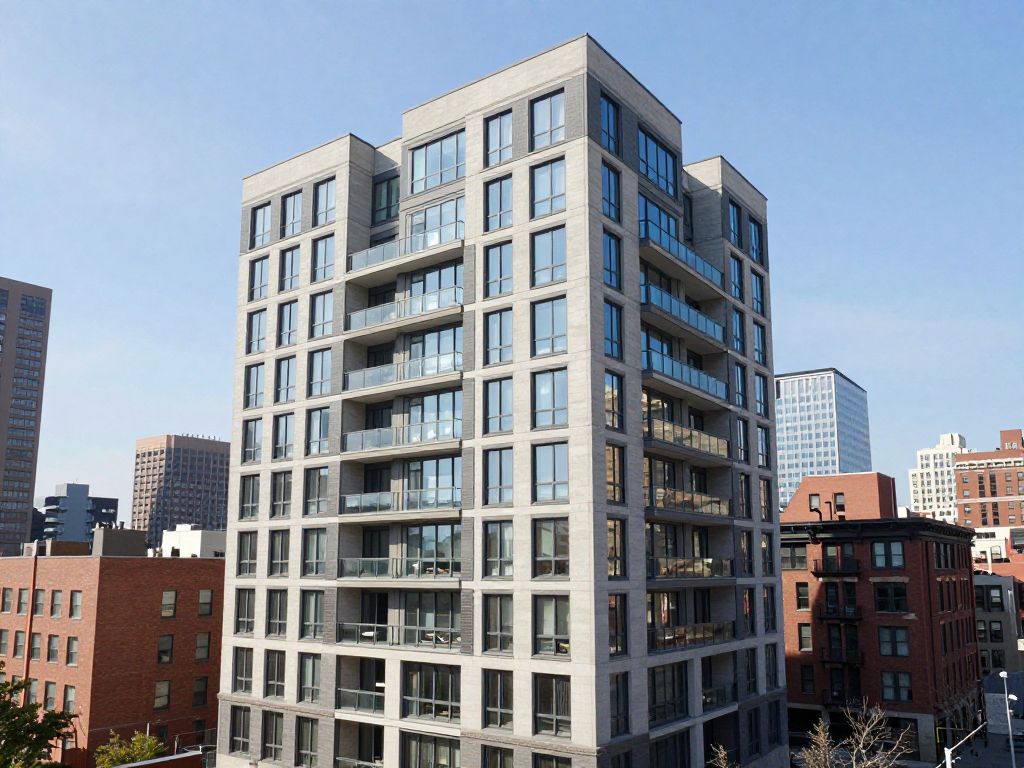
Allston, Boston, January 6, 2026
Mill Creek Residential has unveiled plans for a new six-story apartment building at 250 Everett Street in Allston, aiming to provide 240 units with a commitment to affordable housing. This $145 million project highlights the growing confidence of investors in Boston’s housing market and addresses the ongoing demand for urban living spaces. The development is set to create numerous construction jobs and contribute to the local economy by attracting new residents and businesses to the area.
Boston
Allston’s New Horizon: Mill Creek Residential Charts Course for Growth
Boston’s vibrant Allston neighborhood is once again a focal point for significant private investment, as Mill Creek Residential moves forward with plans for a substantial new apartment community. This development exemplifies the ongoing confidence of national firms in Boston’s economic dynamism and its capacity for growth, driven by entrepreneurial vision and a responsive market for housing solutions. Such private sector initiatives are crucial for expanding housing options and fostering the continued economic vitality that benefits Boston MA business and its residents.
The project at 250 Everett Street highlights a broader trend across Massachusetts: the strategic deployment of capital by developers to address housing demand and revitalize urban areas. These endeavors, often involving complex planning and significant financial commitments, underscore the resilience and proactive spirit of real estate entrepreneurs who see opportunity in meeting the evolving needs of a thriving city.
The 250 Everett Street Project: A Detailed Look
Mill Creek Residential, a prominent multifamily developer, has acquired property at 250 Everett Street in Allston for a planned six-story apartment building. This new development is set to replace an existing three-story office building and its parking lot. The Boston Planning & Development Agency (BPDA) approved the project in January 2025, with an estimated total project cost of $145 million.
The proposed building will feature 240 units and span approximately 256,250 square feet. A key aspect of the project includes a commitment to affordability, with 17 percent of the units, or 41 apartments, designated as income-restricted for households earning up to 60 percent of the area median income. The apartments will offer a mix of studios to three-bedroom units, complemented by an underground garage providing 120 parking spaces and extensive bicycle storage.
Addressing Boston’s Housing Dynamics
Boston’s housing market remains a critical component of its economic landscape. The development at 250 Everett Street directly contributes to increasing the housing supply in a sought-after urban neighborhood. The region has consistently faced high housing costs, making new construction vital for maintaining competitiveness and attracting a diverse workforce. Efforts to expand housing options are seen as essential for employers to compete for talent, as workers increasingly prioritize affordable and quality housing options near their workplaces.
While the Allston housing market has seen fluctuations, with median sale prices in November 2025 up 23.4% year-over-year to $790,000, there’s also a noted increase in institutional investors purchasing multifamily units, indicating confidence in continued rent growth and long-term asset appreciation.
Economic Impact and Local Opportunities
The construction of a project of this scale brings tangible economic benefits to the local community. Mill Creek Residential anticipates that the construction will take approximately 28 months, generating numerous construction jobs. Beyond the initial building phase, an increased residential population translates to greater demand for local services, retail, and dining, thereby supporting Boston small business growth.
New housing developments often lead to a more diversified talent base by offering a wider range of housing options, which in turn makes it easier for businesses to recruit and retain employees. The city’s Planning Department also highlights that development projects approved in 2025 are estimated to generate thousands of construction and permanent jobs, alongside significant linkage fees to support affordable housing and job training programs.
Private Investment as a Catalyst for Urban Renewal
The Mill Creek Residential project is a prime example of how private investment acts as a powerful catalyst for urban renewal and economic growth. In a dynamic city like Boston, developers like Mill Creek Residential are responding to market signals, taking on the risks and challenges of large-scale projects to meet societal needs. This private sector-led approach often brings efficiency and innovation to the development process, fostering a competitive environment that ultimately benefits the community through increased housing supply and economic activity.
Allston, in particular, has seen significant large-scale redevelopment, with a noticeable rise in residents aged 30-45 transitioning from renters to owners, seeking walkable urban neighborhoods and proximity to transit. This shift is driven by a blend of institutional investment and the evolving preferences of individuals seeking modern amenities within reach of downtown Boston, further highlighting the role of private capital in shaping the city’s future.
Allston’s Evolving Landscape
Allston is undergoing a significant transformation, evolving from a neighborhood primarily known for its student population to one attracting serious investor attention and large-scale redevelopment. This evolution is part of a broader trend across Boston to create more resilient, affordable, and equitable communities through strategic development. The city’s planning efforts, including the Allston-Brighton Needs Assessment, aim to guide this growth, identifying community needs such as accessible and affordable housing.
Projects like the 250 Everett Street development, alongside others in the Western Avenue corridor and the Enterprise Research Campus, contribute to a changing skyline and a more diverse urban fabric. These developments are not just about new buildings; they are about creating integrated communities that blend residential, retail, and sometimes even lab spaces, catering to an influx of professionals and graduate students and showcasing the entrepreneurial spirit driving Massachusetts entrepreneurs.
Conclusion
The planned apartment building by Mill Creek Residential in Allston represents a significant step forward in addressing Boston’s housing needs while simultaneously driving economic activity and job creation. This private sector initiative underscores the importance of entrepreneurial drive and strategic investment in shaping the future of our communities. By embracing thoughtful development that integrates affordability and community benefits, Boston continues to cultivate an environment where businesses can thrive and residents can find quality homes.
We encourage our readers to stay informed and engaged in Boston’s economic future by supporting local businesses and participating in community discussions that shape our evolving urban landscape. The synergy between private enterprise and community needs is vital for sustained prosperity in our beloved city.
Frequently Asked Questions (FAQ)
What is the planned development at 250 Everett Street in Allston?
Mill Creek Residential plans to construct a six-story, 240-unit apartment building at 250 Everett Street in Allston.
When was the 250 Everett Street project approved?
The Boston Planning & Development Agency (BPDA) approved the project in January 2025.
What is the estimated cost of the 250 Everett Street development?
The estimated total project cost for the development at 250 Everett Street is $145 million.
Will the new building at 250 Everett Street include affordable housing?
Yes, 17 percent of the units, or 41 apartments, will be income-restricted for households earning a maximum of 60 percent of the area median income.
What type of units will be available in the new Allston apartment building?
The building will include a mix of studios, one-bedroom, two-bedroom, and three-bedroom units.
How many parking spaces will the development offer?
The project will include an underground garage with space for 120 cars, along with storage for 240 bicycles.
What is the duration of the construction for this project?
Mill Creek Residential estimates construction will take approximately 28 months.
Key Features of 250 Everett Street Development
| Feature | Details |
|---|---|
| Developer | Mill Creek Residential |
| Location | 250 Everett Street, Allston, Boston, MA |
| Building Height | 6 stories |
| Number of Units | 240 residential units |
| Affordable Units | 41 income-restricted units (17% of total), for households earning up to 60% of AMI |
| Unit Types | Studios, one-bedroom, two-bedroom, and three-bedroom units |
| Total Project Cost | $145 million (estimated) |
| Project Approval Date | January 2025 by BPDA |
| Building Size | Approximately 256,250 square feet |
| Parking | 120 underground parking spaces for cars; storage for 240 bicycles |
| Estimated Construction Duration | Approximately 28 months |
Deeper Dive: News & Info About This Topic
HERE Resources
Governor Healey Establishes Competitiveness Council in Massachusetts
Carl Rodrigues Appointed Vice Chancellor at Vanderbilt
Best Boston Neighborhood For Young Professionals Near Public Transit
Boston Welcomes a Feast of New Eateries in 2025

Author: STAFF HERE BOSTON WRITER
The BOSTON STAFF WRITER represents the experienced team at HEREBoston.com, your go-to source for actionable local news and information in Boston, Suffolk County, and beyond. Specializing in "news you can use," we cover essential topics like product reviews for personal and business needs, local business directories, politics, real estate trends, neighborhood insights, and state news affecting the area—with deep expertise drawn from years of dedicated reporting and strong community input, including local press releases and business updates. We deliver top reporting on high-value events such as Boston Marathon, Head of the Charles Regatta, and Boston Harborfest. Our coverage extends to key organizations like the Greater Boston Chamber of Commerce and Associated Industries of Massachusetts, plus leading businesses in finance, biotech, and insurance that power the local economy such as Fidelity Investments, Biogen, and Liberty Mutual Insurance. As part of the broader HERE network, we provide comprehensive, credible insights into Massachusetts's dynamic landscape.