

Boston, MA, January 7, 2026
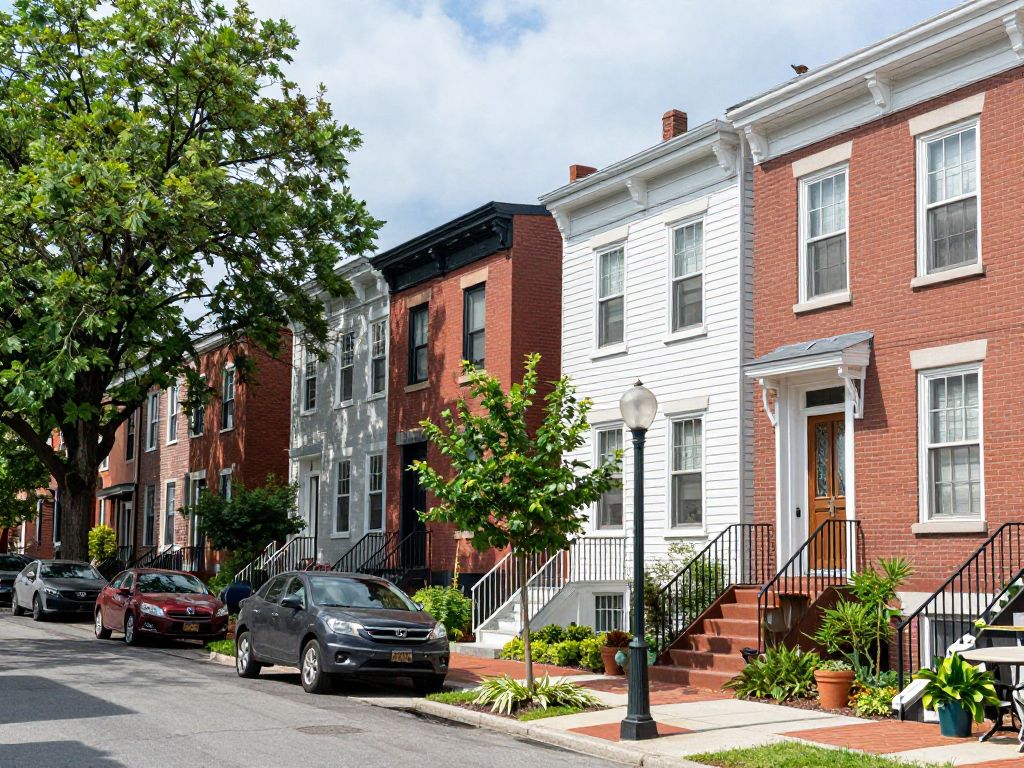
Recent reports indicate a positive trend in the Boston metropolitan area’s rental market, as rent prices decline in several cities and towns. This shift is attributed to increasing supply and easing demand, presenting a renewed opportunity for residents and businesses. Quincy, Lowell, and Somerville reported the largest decreases in one-bedroom rents, providing relief to apartment seekers. The overall trend suggests a potential recalibration in the housing market, improving affordability and fostering local economic growth.
Boston, MA – Amidst the dynamic landscape of the Boston metropolitan area, recent reports offer encouraging news for residents and businesses alike: rent prices are seeing a notable decrease in several local cities and towns. This shift, highlighted by a new report, signals a potential recalibration in the region’s housing market, offering a breath of fresh air for apartment-hunters and presenting new opportunities for economic buoyancy across Massachusetts.
For years, Boston’s rental market has been characterized by intense competition and rising costs, a trend that often tested the resilience of both individuals and small businesses. However, the latest data suggests a welcome change, indicating that a combination of market adjustments and evolving residential patterns may be contributing to a more balanced environment. This development can empower local entrepreneurs, attract new talent, and foster greater community stability by improving housing affordability.
A Shifting Rental Landscape in the Boston Area
According to a recent report, rent is getting cheaper in some Boston-area cities and towns. This positive trend is particularly evident in specific localities. Quincy experienced the largest year-over-year decline in median one-bedroom rent, with a reduction of 6.8%. Lowell also saw a significant decrease of 6.4%, while Somerville’s rents dropped by 6.2%. Other communities where one-bedroom rents saw a reduction of a few percentage points include Boston, Newton, Melrose, Worcester, and Manchester, New Hampshire. This broad-based easing suggests a wider market adjustment rather than isolated incidents.
Market Dynamics and Economic Implications
The softening of the rental market can be attributed to several factors. Experts suggest that a combination of rising supply and softening demand is at play. Increased inventory and more apartments staying on the market for longer periods indicate that the intense competition previously experienced by renters may be easing. This recalibration offers a more favorable environment for individuals seeking housing and could indirectly support local economic growth. When housing costs become more manageable, residents have greater disposable income, which can be channeled into local businesses and services, fostering a stronger community economy.
Impact on Boston Small Businesses and Entrepreneurs
A more affordable rental market holds significant implications for Boston small business owners and aspiring entrepreneurs. Lower housing costs for employees can ease the burden of living in a high-cost region, potentially making it easier for businesses to attract and retain talent. This can translate into a more stable workforce and reduced operational costs indirectly linked to employee compensation. Furthermore, if individuals find more affordable housing, they may have more capital available to invest in local ventures or to frequent neighborhood establishments, contributing to a vibrant local economy.
While residential rents are seeing some relief, it is worth noting that commercial rental markets can operate on different dynamics. Discussions are ongoing regarding commercial property taxes and their impact on local businesses, with policymakers exploring ways to maintain the viability of small enterprises. A healthy residential market, however, can create a stronger consumer base, which is ultimately beneficial for commercial activity.
Understanding Regional Variations in Rent
The overall average rent for a one-bedroom apartment in Massachusetts is approximately $2,200. However, significant variations exist across the state. While some areas are experiencing rent declines, certain localities still command higher prices. Brookline, for example, has the most expensive one-bedroom rents at $3,040 per month, followed by Cambridge at $2,990, and the city of Boston at $2,880. Conversely, areas like Manchester, New Hampshire ($1,700), Brockton ($1,740), Worcester ($1,760), and Lowell ($1,760) reported some of the lowest overall rents in the region. This highlights the diverse nature of the rental market and the importance of localized understanding for apartment hunters and businesses considering expansion.
This nuanced picture of the rental market underscores that while overall trends are positive, micro-market conditions vary, influenced by factors like location, housing type, and local demand. Such variations can create unique opportunities for those agile enough to navigate them.
Looking Ahead: A Balanced Housing Future
The emerging trend of decreasing rents in parts of the Boston MA business landscape signifies a potential move toward a more balanced and accessible housing market. This shift can foster an environment where individual achievement is supported by more affordable living, and entrepreneurial innovation is encouraged by a stable workforce and engaged community. As Massachusetts entrepreneurs continue to drive economic growth, a responsive housing market that provides diverse options is crucial.
Maintaining this positive momentum will require continued attention to market dynamics and policies that encourage housing development and flexibility. By embracing strategies that promote a healthy supply of housing options, Boston can ensure its continued economic growth and reinforce its status as a desirable place to live and conduct business. This is an opportune moment for residents to explore their housing options and for businesses to recognize the potential benefits of a more accessible local economy.
The ongoing dialogue surrounding housing affordability, including potential rent control initiatives which Massachusetts voters may weigh in on in 2026, further emphasizes the public’s desire for a sustainable and equitable housing market. Regardless of specific policy outcomes, the current market recalibration offers immediate advantages and a foundation for future stability.
We encourage our readers to stay informed about these evolving market trends and to support the local businesses that form the backbone of our thriving Boston economy.
Frequently Asked Questions
- What is the current trend for rent prices in the Boston area?
- Rent is getting cheaper in some Boston-area cities and towns, according to a new report.
- Which cities and towns in the Boston area have seen the largest decline in rent?
- Quincy saw the largest decline from the previous year, with rent going down 6.8%. Rent was down 6.4% in Lowell, and dropped 6.2% in Somerville.
- Are there other cities and towns in the Boston area where rents have decreased?
- Other cities and towns that saw rents for a one-bedroom go down a few percentage points include Boston, Newton, Melrose, Worcester and Manchester, New Hampshire.
- What is the median rent for a one-bedroom apartment in Massachusetts?
- The median rent for a one-bedroom apartment in Massachusetts is $2,200.
- Which are the most expensive places to rent a one-bedroom apartment in the Boston area?
- The most expensive place to rent in the area is in Brookline at $3,040 a month for a one-bedroom, followed by Cambridge at $2,990 and the city of Boston at $2,880.
- Which cities in the region had the lowest overall rents for a one-bedroom?
- Manchester, New Hampshire ($1,700 a month), Brockton ($1,740), Worcester ($1,760) and Lowell ($1,760) had the lowest overall rents in the region.
- What is contributing to the softening of the rental market?
- The Yardi Matrix report attributes part of this short-term negative growth to a combination of rising supply and softening demand.
Key Rental Market Features in the Boston Area
| Feature | Details | Scope |
|---|---|---|
| Overall Trend | Rent is getting cheaper in some Boston-area cities and towns. | Local |
| Largest Rent Decline (One-Bedroom) | Quincy: 6.8% decrease. | Local |
| Other Significant Declines (One-Bedroom) | Lowell: 6.4% decrease; Somerville: 6.2% decrease. | Local |
| Other Cities/Towns with Decreased Rents | Boston, Newton, Melrose, Worcester, Manchester (New Hampshire). | Regional |
| Median One-Bedroom Rent in Massachusetts | $2,200 per month. | State-level |
| Most Expensive One-Bedroom Rents | Brookline ($3,040), Cambridge ($2,990), Boston ($2,880). | Local/Regional |
| Lowest Overall One-Bedroom Rents | Manchester, NH ($1,700), Brockton ($1,740), Worcester ($1,760), Lowell ($1,760). | Regional |
| Contributing Factors to Market Shift | Rising supply and softening demand. | Local/Regional |
| Rent Control Initiative on 2026 Ballot | Massachusetts voters are poised to weigh in on rent control on the 2026 ballot. | State-level |
Deeper Dive: News & Info About This Topic
HERE Resources
Massachusetts Tax Cap Proposal Sparks Economic Debate
Boston’s Housing Dilemma: To Rent or Buy?
Boston’s Construction Industry Faces Economic Challenges
Maggie Cerce Appointed Director of Residential Leasing at Chestnut Hill Realty
Rhode Island Faces Economic Challenges According to Reports
Ryder Cup Drama on Long Island Draws Attention
Downtown Boston Forum Examines Recovery Strategies
Trump Heads to Ryder Cup for Dramatic Golf Comeback
Massachusetts Governor Signs $234 Million Aid Package for Hospitals
Best Boston Neighborhood For Young Professionals Near Public Transit

Author: STAFF HERE BOSTON WRITER
The BOSTON STAFF WRITER represents the experienced team at HEREBoston.com, your go-to source for actionable local news and information in Boston, Suffolk County, and beyond. Specializing in "news you can use," we cover essential topics like product reviews for personal and business needs, local business directories, politics, real estate trends, neighborhood insights, and state news affecting the area—with deep expertise drawn from years of dedicated reporting and strong community input, including local press releases and business updates. We deliver top reporting on high-value events such as Boston Marathon, Head of the Charles Regatta, and Boston Harborfest. Our coverage extends to key organizations like the Greater Boston Chamber of Commerce and Associated Industries of Massachusetts, plus leading businesses in finance, biotech, and insurance that power the local economy such as Fidelity Investments, Biogen, and Liberty Mutual Insurance. As part of the broader HERE network, we provide comprehensive, credible insights into Massachusetts's dynamic landscape.