

Boston, Massachusetts, January 17, 2026
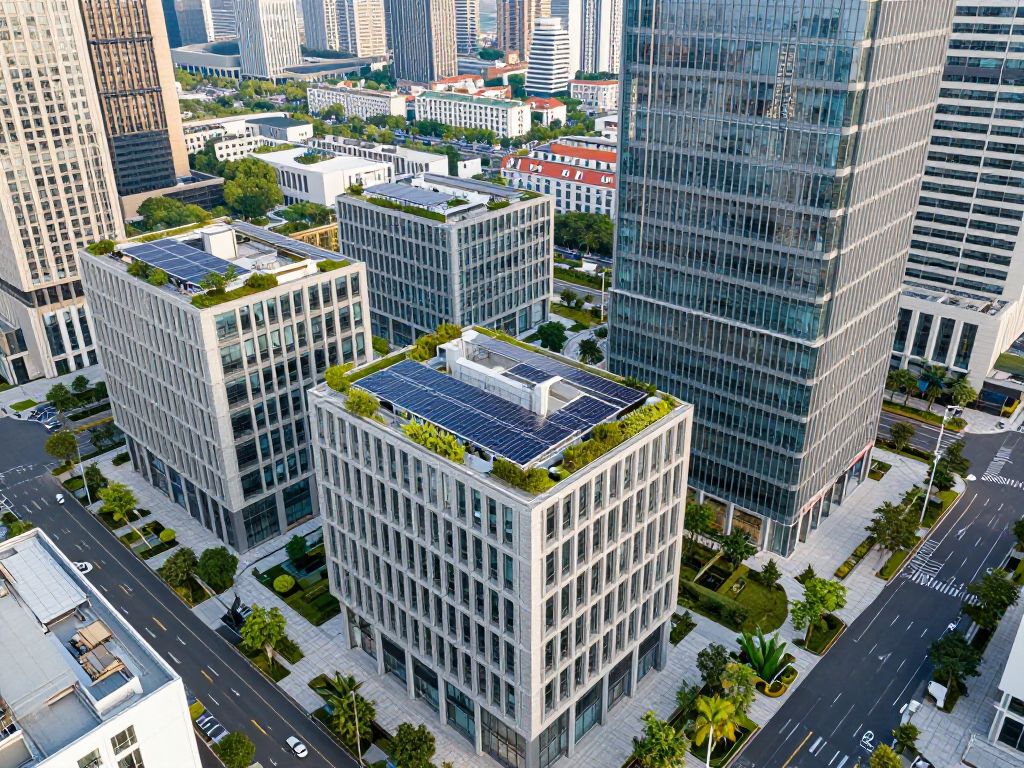
Boston has become the first city in the nation to require all new buildings to achieve net-zero carbon emissions. This initiative, part of a broader effort toward carbon neutrality by 2050, mandates that new projects with 15 or more residential units or significant square footage meet strict emissions standards. The new policy emphasizes reducing energy use, increasing electrification, and utilizing renewable energy sources. While the transition may incur higher initial costs, the long-term benefits include improved air quality and economic opportunities in sustainable construction.
Boston, Massachusetts
Boston Mandates Net-Zero Carbon for New Buildings, Charting Course for Sustainable Future
Boston has become the first city in the nation to enact a requirement for all new buildings to achieve net-zero carbon emissions, a landmark policy announced on January 16, 2026. This pioneering step accelerates the city’s ambitious goal of reaching carbon neutrality by 2050 and marks a significant shift in urban development practices.
A New Standard for Urban Development
Under the new Net Zero Carbon (NZC) Zoning amendment, most new large buildings permitted and delivered will be required to emit net-zero carbon emissions from the day they open. This applies to new project filings after July 1, 2025, that include 15 or more residential units, a minimum of 20,000 square feet, or additions of 50,000 square feet or more to existing buildings. The measure emphasizes reducing energy use, easing reliance on fossil fuels, increasing electrification, and utilizing renewable energy sources. A hotel project in Allston is already moving forward under this new zoning, signifying the immediate impact of the policy.
The concept of a net-zero carbon building entails a structure designed to ensure its total annual energy consumption is matched by the renewable energy it generates on-site or procures from carbon-free sources. This includes addressing both operational carbon—emissions from daily energy use for heating, cooling, lighting, and appliances—and embodied carbon, which accounts for emissions associated with the materials and construction processes. Buildings will need to demonstrate net-zero emissions annually through compliance pathways outlined in the existing Building Emissions Reduction and Disclosure Ordinance (BERDO). Additionally, both small and large projects will be required to report on embodied carbon.
Phased Implementation and Broader Goals
Recognizing the unique operational demands of certain sectors, the NZC Zoning policy includes a phased approach for specific building types. New laboratories, for instance, will be required to meet net-zero emissions by 2035, while new hospitals and general manufacturing buildings have until 2045 to comply. These timelines accelerate the emission standards that would otherwise apply to existing buildings in these categories.
This initiative builds upon Boston’s existing climate commitments, which include a goal of carbon neutrality by 2050. Buildings are a critical focus for decarbonization efforts, as they account for nearly 71 percent of the city community’s carbon emissions. Past efforts, such as the 2013 Building Energy Reporting and Disclosure Ordinance (BERDO), have already laid groundwork by requiring large buildings to report energy and water usage and undergo energy assessments. The new zoning aims to prevent future expensive building retrofits by designing new structures for net-zero emissions from their inception.
Challenges and Opportunities
The transition to net-zero carbon buildings presents both challenges and considerable opportunities. From an economic perspective, initial investments in energy-efficient technologies and renewable energy systems can increase upfront construction costs, estimated at around 10% more than standard builds. However, these costs are often offset by long-term operational savings and reduced energy expenses. The construction industry faces the challenge of adapting to more carbon-efficient methods and materials, particularly given that materials like steel and concrete currently contribute significantly to carbon emissions. There is a need for continuous innovation, supportive policies, and financial incentives to overcome these barriers.
Beyond financial considerations, technological limitations, such as efficient energy storage and the intermittent nature of some renewable energy sources, require further advancement. Integrating net-zero buildings into smart grids also presents technical hurdles. Furthermore, ensuring high construction quality and addressing potential knowledge gaps in installing new technologies are crucial for achieving designed performance.
Despite these complexities, the benefits of net-zero carbon buildings extend beyond environmental sustainability. They contribute to improved indoor and outdoor air quality, reduced utility bills, and can foster economic opportunities through job creation in the sustainable construction industry. By leading the nation in this mandate, Boston is not only addressing its environmental vulnerabilities as a coastal city but also setting a precedent for other urban centers seeking to build a more resilient, equitable, and sustainable future.
Frequently Asked Questions about Boston’s Net-Zero Carbon Building Mandate
- What is Boston’s new net-zero carbon building requirement?
- Boston has become the first city in the nation to require all new buildings to achieve net-zero carbon emissions, a policy announced on January 16, 2026.
- When does this new requirement take effect?
- The Net Zero Carbon (NZC) Zoning amendment applies to new project filings after July 1, 2025. Most new large buildings permitted and delivered will be required to emit net-zero carbon emissions from the day they open.
- What types of new buildings are affected by this policy?
- The requirement applies to new developments with 15 or more residential units, a minimum of 20,000 square feet, or additions of 50,000 square feet or more to existing buildings.
- What does “net-zero carbon” mean for a building?
- A net-zero carbon building is a structure designed so that its total annual energy consumption is matched by the renewable energy it generates on-site or procures from carbon-free sources. This includes addressing both operational carbon (from daily energy use) and embodied carbon (from materials and construction).
- Are there exceptions or phased implementations for certain building types?
- Yes, new laboratories will be required to meet net-zero emissions by 2035, while new hospitals and general manufacturing buildings have until 2045 to comply, recognizing their unique operational demands.
- What are Boston’s broader climate goals?
- Boston aims to achieve carbon neutrality by 2050. Buildings are a critical focus for decarbonization efforts, as they account for nearly 71 percent of the city community’s carbon emissions.
- What are some challenges in implementing net-zero carbon buildings?
- Challenges include higher upfront construction costs (around 10% more than standard builds), technological limitations related to energy storage and renewable energy intermittency, adapting to carbon-efficient materials and methods, and ensuring high construction quality and proper installation of new technologies.
- What are the benefits of net-zero carbon buildings?
- Benefits extend to improved indoor and outdoor air quality, reduced utility bills through long-term operational savings, and the creation of economic opportunities and jobs in the sustainable construction industry.
Key Features of Boston’s Net-Zero Carbon Building Mandate
| Feature | Description | Scope |
|---|---|---|
| Mandate Effective Date | January 16, 2026 (for new project filings after July 1, 2025) | City-level |
| Applicable Projects | New developments with 15+ residential units, ≥20,000 sq ft, or additions ≥50,000 sq ft to existing buildings. | City-level |
| Core Principle | New buildings must achieve net-zero carbon emissions from the day they open. | City-level |
| Definition of Net-Zero Carbon | Total annual energy consumption matched by on-site or procured carbon-free renewable energy, addressing both operational and embodied carbon. | Nationwide, State-level |
| Compliance Mechanism | Annual demonstration of net-zero emissions through Building Emissions Reduction and Disclosure Ordinance (BERDO) pathways. | City-level |
| Embodied Carbon Reporting | All projects (small and large) required to report on embodied carbon. | City-level |
| Phased Implementation for Specific Sectors | New labs: net-zero by 2035; New hospitals & general manufacturing: net-zero by 2045. | City-level |
| Broader City Goal | Carbon neutrality by 2050 for the entire city. | City-level |
Deeper Dive: News & Info About This Topic
HERE Resources
Massachusetts Golf Course Transitions to Solar Energy Project
Kraft Deal: Boston’s Economic Engine Gears Up
Boston Innovation: High-Tech Water Cooler Company Expands
Greater Boston’s Real Estate Market Shows Resilience
Boston Unveils Comprehensive 2030 Climate Action Plan
Farewell to Bill DiCroce: A Trailblazer in Decarbonization

Author: STAFF HERE BOSTON WRITER
The BOSTON STAFF WRITER represents the experienced team at HEREBoston.com, your go-to source for actionable local news and information in Boston, Suffolk County, and beyond. Specializing in "news you can use," we cover essential topics like product reviews for personal and business needs, local business directories, politics, real estate trends, neighborhood insights, and state news affecting the area—with deep expertise drawn from years of dedicated reporting and strong community input, including local press releases and business updates. We deliver top reporting on high-value events such as Boston Marathon, Head of the Charles Regatta, and Boston Harborfest. Our coverage extends to key organizations like the Greater Boston Chamber of Commerce and Associated Industries of Massachusetts, plus leading businesses in finance, biotech, and insurance that power the local economy such as Fidelity Investments, Biogen, and Liberty Mutual Insurance. As part of the broader HERE network, we provide comprehensive, credible insights into Massachusetts's dynamic landscape.