
Boston, February 1, 2026
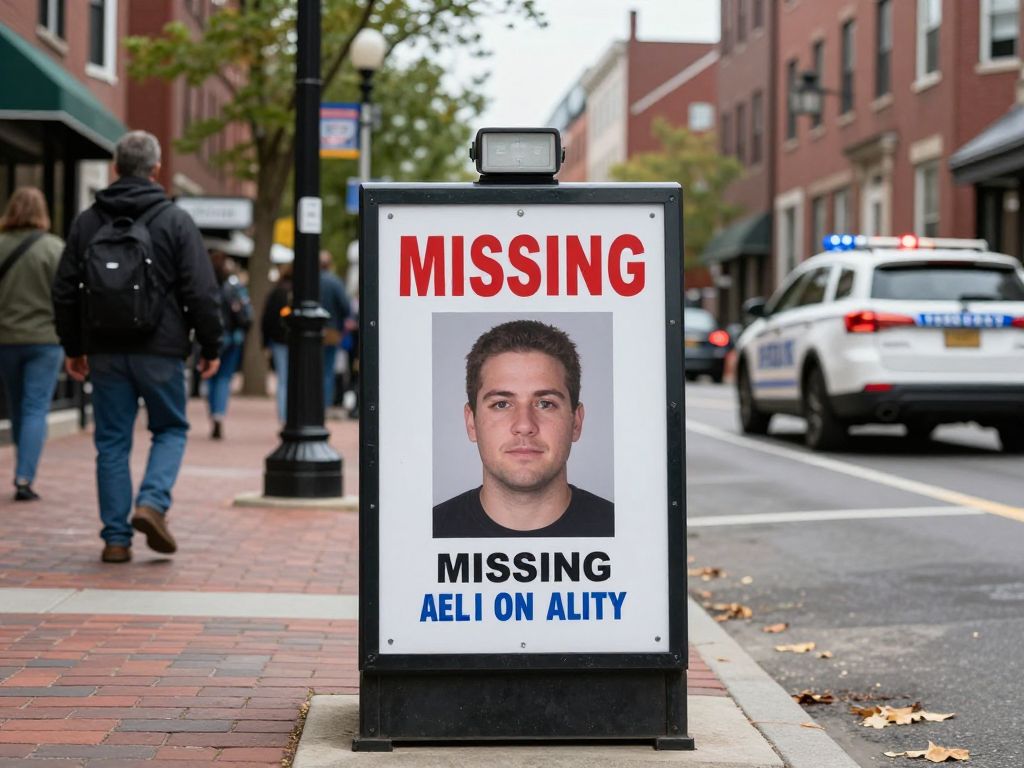
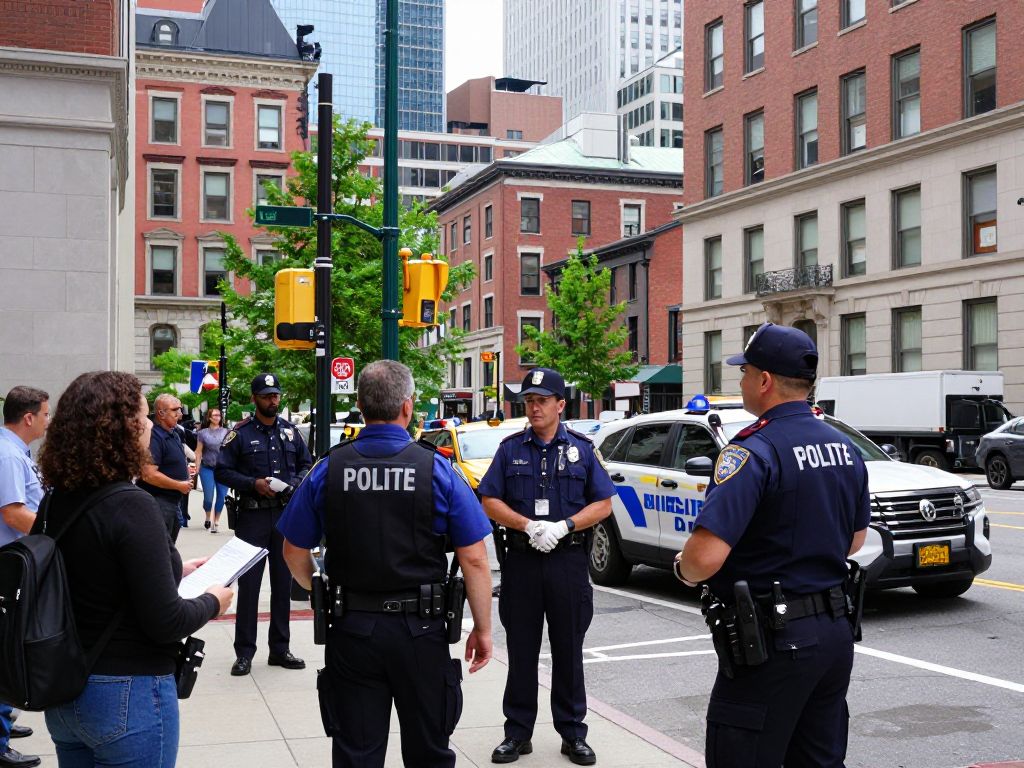
Boston’s public safety operations reflect the city’s vibrant pulse and ongoing commitment to maintaining order and confronting challenges. Recent reports highlight incidents such as aggravated assaults and larcenies alongside significant federal legal actions addressing fraud and public health. From local crimes to broader societal threats, the vigilant efforts of law enforcement aim to ensure safety and justice within the community.
Boston
Daily Rhythms and the Enduring Work of Public Safety
The vibrant pulse of Boston, a city shaped by its history and ceaseless activity, is constantly measured by the quiet diligence of its public safety operations. In the span of a single day, the delicate balance of urban life is observed and recorded. The latest public safety reports from Boston reveal the persistent, unwavering work of maintaining order and responding to the varied challenges that emerge within the city’s bounds. For the 24-hour period ending Saturday, January 31, 2026, at 10 AM, the Boston Police Department’s Public Journal documented three aggravated assaults and eighteen other larcenies. These figures, presented with plainspoken clarity, are more than mere statistics; they represent disruptions to the peace, moments of vulnerability, and the ongoing human effort to restore equilibrium. Each incident, whether a moment of sudden aggression or a quiet theft, carries its own weight in the unfolding narrative of the city, touching lives and altering the immediate sense of security within neighborhoods. The steady vigilance of law enforcement remains a constant, a quiet commitment to the public good that underpins the daily commerce and personal serenity of a great city.
Beyond the daily accounting of localized events, recent days have seen legal actions initiated from Boston’s federal courts that address significant matters transcending local streets, touching upon fraud, public health, and the profound duty of protecting vulnerable individuals. These proceedings, unfolding in the federal courthouse that stands as a silent sentinel in the heart of the city, serve as stark reminders that the pursuit of justice extends to complex financial schemes and the dangerous currents of illicit trade. They reflect a broader societal effort to confront the challenges that threaten the collective welfare, often far from the public eye, yet deeply impacting the fabric of trust and safety.
Federal Actions Address Wider Concerns
In a notable development reflecting the far-reaching arm of justice, a Peabody man, Jonathan Carpenter, 41, was arrested on Thursday, January 29, 2026. He was subsequently charged with the fraudulent acquisition of over $100,000 in coronavirus relief funds. Carpenter made an initial appearance in federal court in Boston on Friday, January 30, 2026. This legal proceeding underscores the enduring commitment to upholding financial integrity and holding individuals accountable for exploiting systems designed to aid communities in times of widespread need. Such cases speak to the moral responsibilities that accompany public trust and the unwavering resolve to ensure fair dealing in economic life.
The federal court in Boston was also the setting for a significant sentencing this past week, emphasizing the gravity of public health threats that ripple through the Commonwealth. Abraham Heredia, 25, of Springfield, received a ten-year prison sentence on Thursday, January 29, 2026. His sentence was for his role in conspiring to possess and distribute more than 400 grams of fentanyl. This action represents a firm stance against the pervasive flow of dangerous substances that imperil lives and communities across Massachusetts, reflecting a society’s struggle to safeguard its members from the silent devastation of addiction, a quiet tragedy that affects countless families.
Further demonstrating the expansive reach of federal law enforcement operating from Boston, Ethan Irving, 36, of Norfolk, was arrested on Thursday morning, January 29, 2026. He faces grave charges related to the sexual exploitation of a two-year-old minor victim from Massachusetts. Irving was scheduled for an initial appearance in federal court in Boston on Friday afternoon, January 30, 2026. These cases collectively illustrate a sustained, vigilant commitment to uphold the law and protect societal well-being, particularly for those who are most vulnerable and unable to protect themselves, inviting a quiet reflection on the fragility of childhood and the sanctity of innocence that society strives to preserve.
Regional Events and Civic Engagement
Beyond the immediate confines of Boston, other serious incidents unfolded across the wider expanse of Massachusetts, reminding us that sorrow knows no municipal boundaries. In Fall River, a profound tragedy occurred on Friday night, January 30, 2026, when Nicholas Almeida, 25, and his mother, Elizabeth Almeida, 54, were fatally shot. The suspect, Arlington College, 54, who was reportedly in a dating relationship with Elizabeth Almeida, was identified and charged. Such events cast a somber hue over the rhythms of daily life, abruptly interrupting futures and reminding us of the fragility of peace within our communities, leaving a quiet ripple of grief and unanswered questions in their wake, a poignant testament to the unforeseen turns of human relationships.
Amidst these varied law enforcement activities, Boston’s civic leadership has been actively engaged in broader policy discussions that speak to the evolving nature of urban governance and its relationship with federal mandates. Mayor Michelle Wu led a coalition of 44 mayors across the U.S. in filing an amicus brief on January 22, 2026, challenging federal immigration enforcement operations in Minnesota. This brief, formally submitted in U.S. District Court in Minnesota, articulated concerns over the scope and impact of federal authorities’ deployment, reflecting a careful consideration of community welfare and legal boundaries. In a related local deliberation, Boston’s City Council held a meeting on Wednesday, January 28, 2026, to discuss initiating an audit of the city’s “Trust Act,” a policy enacted in 2014 designed to delineate the Boston Police Department’s interactions with federal immigration enforcement for civil matters. This ongoing dialogue reflects a community’s thoughtful engagement with the complex interplay of local governance and federal mandates, seeking to define clearly the parameters of compassionate and effective public service in a diverse and interconnected society.
Reflecting on Public Safety’s Scope
The quiet compilation of daily incidents within the Public Journal, alongside the prominent federal cases adjudicated in Boston, and the regional tragedies that touch the wider state, collectively paint a picture of a society where the work of justice and community protection is continuous and multifaceted. From the common disturbances of larceny to the profound weight of violent crime and complex legal battles, each entry, each case, represents lives touched and the persistent human effort to maintain a civil society. These daily accountings, while stark in their enumeration of facts, invite reflection on the larger human story they quietly tell, a narrative woven with threads of challenge, resilience, and the enduring quest for peace and justice in our shared urban landscape. It is a testament to both the vulnerabilities and the enduring strengths of human communities, continually striving for order and a measure of grace amidst the everyday.