

News Summary
Boston’s educational landscape is being transformed by the introduction of elective courses that empower students to take ownership of their education. These specialized classes allow for personal exploration and skill development, enhancing engagement and academic outcomes. By offering a wide array of choices, Boston schools are nurturing individual growth and preparing students for diverse futures, reflecting a commitment to innovation in education. The emphasis on electives not only cultivates creativity but also builds practical skills vital for career exploration and success.
Boston: Electives Fuel Student Achievement & Choice
Boston’s educational landscape is continually evolving, driven by the dedication of local educators and the aspiration to empower every student. In a system where core subjects lay essential foundations, elective courses provide a vital avenue for personal exploration and skill development, allowing students to tailor their academic journey. These specialized offerings are proving to be powerful tools for fostering individual growth and preparing students for diverse futures, demonstrating how a flexible curriculum can significantly enhance the learning experience in Massachusetts classrooms.
The opportunity to choose electives encourages students to take ownership of their education, leading to deeper engagement and improved outcomes. This approach aligns with the understanding that not all students learn in the same way or aspire to the same path, and a responsive educational system should reflect this diversity. By offering a rich array of choices, Boston schools are embracing innovation and providing students with the tools to discover their passions and achieve personal success.
The Power of Student Choice and Engagement
Elective courses offer students a rare and valuable opportunity to exercise choice in their education, fostering a greater sense of autonomy and intrinsic motivation. When students select courses based on their genuine interests, they become more invested in their learning, leading to deeper engagement and improved academic performance. This personalized approach acknowledges that students are more likely to thrive when they are excited about what they are learning.
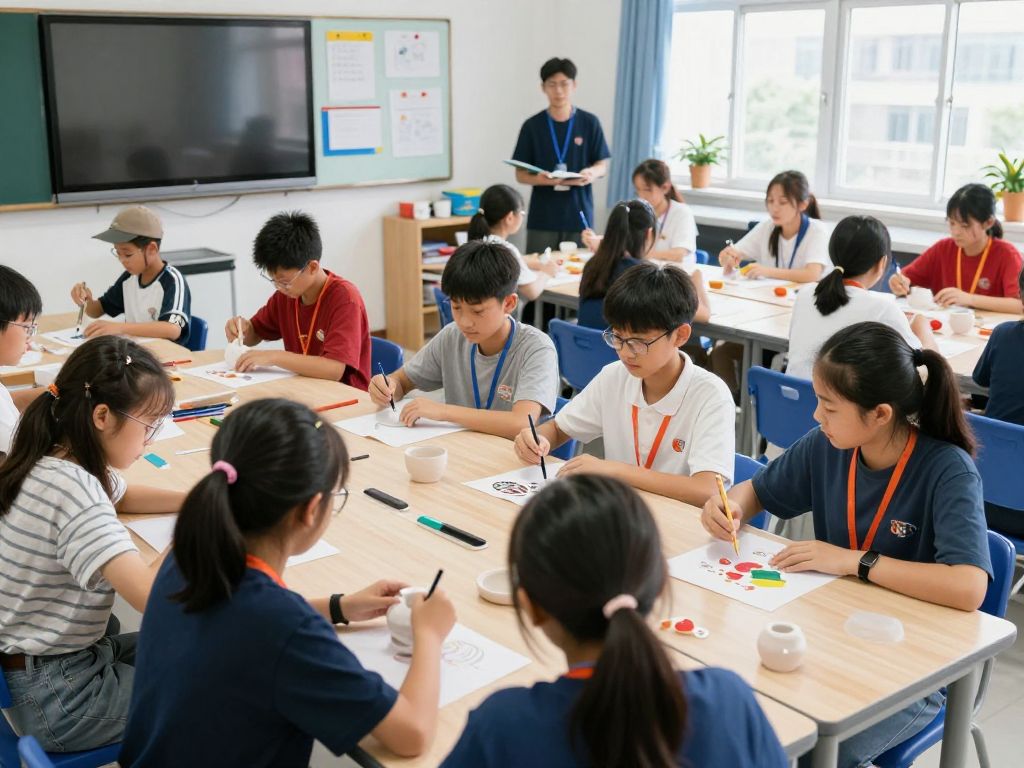
For example, high school electives such as Wearable Art and Apparel Design, Ceramics, Metalsmithing, and TV Production allow students to explore subjects outside traditional core academics. These hands-on and creative activities can help students develop practical skills, express themselves, and even discover new talents they might not have otherwise recognized. The ability to choose subjects that resonate with their individual aspirations helps students build a personalized schedule and enjoy their school day more.
Developing Specialized Skills Beyond Core Subjects
While core subjects provide essential foundational knowledge, electives often focus on developing specific, practical, and transferable skills vital for future success. Courses like TV Production can hone skills in communication, storytelling, and digital media, which are increasingly relevant in today’s world. Similarly, electives in visual and applied arts, such as Wearable Art and Apparel Design, Ceramics, and Metalsmithing, cultivate creativity, problem-solving abilities, and fine motor skills.
These specialized courses go beyond theoretical learning, providing students with hands-on experience and opportunities to apply their knowledge in tangible ways. Electives also encourage creative thinking, problem-solving, and innovation, which are critical 21st-century skills. This skill development can significantly boost a student’s confidence and self-efficacy, creating a positive feedback loop that encourages further learning and risk-taking across their academic life.
Electives as Pathways to Future Success
Elective courses serve as invaluable tools for career exploration and preparation, helping students connect classroom learning to real-world applications and potential future professions. By taking electives that align with potential career paths, students can gain early exposure to fields like engineering, journalism, graphic design, or the arts. This early exposure helps students discover their passions and determine if a particular field is a good fit before investing in higher education or vocational training.
The practical skills acquired in electives are highly valued by colleges and employers alike. For example, a student interested in architecture could benefit from an engineering design elective, demonstrating an existing background in the field on college applications. Electives can strengthen college applications by showcasing a student’s initiative, curiosity, and well-roundedness, providing a competitive edge. Some electives can even offer direct pathways to specific careers or provide foundational knowledge for particular college majors.
Fostering Educational Innovation in Boston MA Schools
The availability and diversity of elective offerings are a hallmark of educational innovation, reflecting a commitment to personalized learning journeys for students in Boston MA schools. Schools that offer dynamic electives prepare students with essential skills while maintaining a leadership position in contemporary education. This includes integrating technology into elective teaching, such as using cloud-based software for digital creativity in art classes or digital tools for film and video production.
Educational innovation also manifests when teachers are empowered to design courses that are age, stage, and contextually relevant to their students. Reduced bureaucracy can allow educators more freedom to develop and implement these creative and engaging programs, responding directly to student interests and evolving societal needs. This bottom-up approach to curriculum development, where faculty are encouraged to “think big” and reimagine learning experiences, cultivates a culture of innovation within classrooms.
Parental Choice and Community Involvement
Parental choice within the public school system is significantly enhanced by a broad range of elective options. When districts offer a variety of courses beyond the required curriculum, families are empowered to select educational opportunities that best fit their children’s unique needs and interests. This emphasis on choice allows parents to become active managers of their children’s education, comparing and selecting the most appropriate learning environment.
Community involvement can further enrich elective programs, with potential partnerships offering a broader range of specialized courses or real-world experiences. Such collaborations can include local businesses, artists, or institutions, providing students with unique learning opportunities that might not otherwise be available within school walls. This symbiotic relationship between schools and the community strengthens the educational fabric and ensures that students have access to diverse pathways for personal and academic growth.
Conclusion
The embrace of diverse elective courses in Boston schools is a testament to the power of educational innovation, parental choice, and personal achievement. By providing students with opportunities to explore their passions in subjects like Wearable Art and Apparel Design, Ceramics, Metalsmithing, and TV Production, our educational system nurtures engagement, develops crucial skills, and paves the way for future success. It highlights the benefits of a flexible approach that values individual student pathways over rigid, one-size-fits-all curricula.
We encourage all Boston parents, educators, and community members to continue supporting and advocating for a rich array of elective opportunities. Your engagement in local school policy and initiatives helps ensure that our Massachusetts classrooms remain vibrant spaces where every student can discover their potential and achieve their personal best. Let’s champion the choices that truly make a difference in our children’s educational journeys.
Frequently Asked Questions
- What are high school electives?
- High school electives are courses that students choose outside of their required core subjects like math, science, and English. These classes allow students to explore subjects they are passionate about or curious about, and they often include hands-on or creative activities.
- Why are elective courses important for students?
- Elective courses are important because they offer opportunities to discover interests, develop essential skills, and stand out on college applications. They help students explore potential career paths, enhance creativity, or deepen academic knowledge.
- How do electives contribute to personal achievement?
- Electives foster personal achievement by allowing students to delve into subjects that genuinely interest them, leading to deeper engagement and increased curiosity. Success in an elective, especially one driven by personal interest, can significantly boost a student’s confidence and self-efficacy.
- How can electives help with career exploration?
- Electives serve as valuable tools for career exploration by giving students exposure to various fields and allowing them to develop relevant skills and prepare for success in their future careers. They help students determine if a particular field is a good fit before pursuing further education.
- What role does parental choice play in elective offerings?
- Parental choice is enhanced by a broad range of elective options within the public school system, empowering families to select educational opportunities that best fit their children’s unique needs and interests. This allows parents to become active managers of their children’s education.
Key Features of Elective Courses
| Feature | Description | Benefit for Students |
|---|---|---|
| Student Choice | Courses chosen by students outside core curriculum based on personal interests. | Increases engagement, motivation, and ownership of learning. |
| Skill Development | Focus on practical and transferable skills beyond academic foundations. | Cultivates creativity, problem-solving, and technical proficiency. |
| Career Exploration | Exposure to diverse fields and real-world applications. | Helps identify passions and potential career paths early on. |
| Educational Innovation | Dynamic curriculum offerings and integration of modern teaching methods. | Prepares students with 21st-century skills and personalized learning. |
| Personal Achievement | Opportunity to delve into genuinely interesting subjects. | Boosts confidence, self-efficacy, and encourages further learning. |
Deeper Dive: News & Info About This Topic
HERE Resources

Author: STAFF HERE BOSTON WRITER
The BOSTON STAFF WRITER represents the experienced team at HEREBoston.com, your go-to source for actionable local news and information in Boston, Suffolk County, and beyond. Specializing in "news you can use," we cover essential topics like product reviews for personal and business needs, local business directories, politics, real estate trends, neighborhood insights, and state news affecting the area—with deep expertise drawn from years of dedicated reporting and strong community input, including local press releases and business updates. We deliver top reporting on high-value events such as Boston Marathon, Head of the Charles Regatta, and Boston Harborfest. Our coverage extends to key organizations like the Greater Boston Chamber of Commerce and Associated Industries of Massachusetts, plus leading businesses in finance, biotech, and insurance that power the local economy such as Fidelity Investments, Biogen, and Liberty Mutual Insurance. As part of the broader HERE network, we provide comprehensive, credible insights into Massachusetts's dynamic landscape.