

Boston, January 26, 2026
News Summary
A significant winter storm prompted widespread closures of several University of Massachusetts campuses and other regional institutions, ensuring the safety of students, faculty, and staff. The proactive measures taken reflect a commitment to community well-being, as campuses activated emergency protocols and communicated updates efficiently. The closures disrupted academic life and dining services, while also impacting public schools and cultural institutions in the Boston area. This response underscores the importance of institutional leadership during severe weather events.
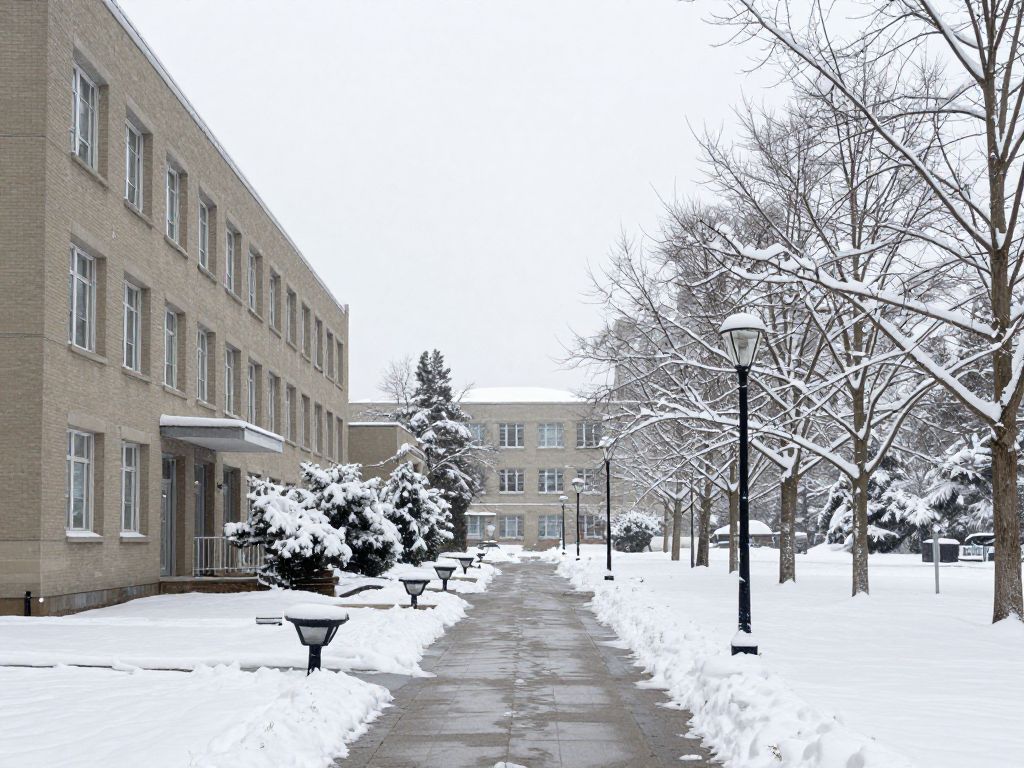
Boston, MA — Winter weather is an indelible part of the New England experience, and Boston’s vibrant higher education landscape regularly demonstrates its adaptability and commitment to safety during severe conditions. On Monday, January 26, 2026, a significant winter storm led to the widespread closure of several University of Massachusetts campuses and other regional institutions, underscoring a proactive approach to community well-being and responsible institutional governance. This coordinated response ensured the safety of thousands of students, faculty, and staff across the Commonwealth during a period of inclement weather.
The decision to close campuses reflects a dedication to prioritizing the physical safety of individuals over the immediate continuity of daily operations. Such actions, while disruptive, are a testament to the discipline and foresight embedded within these institutions, ensuring that the academic environment remains secure even when faced with natural challenges. These closures impacted not only classroom learning but also campus-wide activities, dining services, and public transportation, illustrating the extensive reach of university decisions within the broader Massachusetts community.
Proactive Measures Ensure Campus Safety
Multiple University of Massachusetts campuses, including UMass Boston, UMass Amherst, UMass Dartmouth, and UMass Lowell, announced closures for Monday, January 26, 2026, due to severe winter weather. The decision for UMass Boston was made on Sunday night, January 25, providing timely notice to the campus community. This preemptive measure allowed students and staff to adjust their plans, minimizing the risks associated with commuting during hazardous conditions. UMass Lowell also announced closures for both Sunday and Monday, January 25-26, highlighting the extended impact of the storm.
The safety of the university community remains paramount during such events. Campuses activated their emergency protocols, which often include monitoring weather forecasts closely and making informed decisions based on projected snow accumulation, ice, and travel advisories. By acting decisively, these institutions uphold their responsibility to provide a safe environment for everyone associated with their operations, demonstrating a disciplined approach to crisis management.
Impact on Academic Life and Campus Operations
The widespread closures on Monday, January 26, meant that all classes and activities at affected UMass campuses were canceled. For instance, UMass Dartmouth switched to a Limited Operations status, with in-person classes specifically canceled for the day. This shift requires academic flexibility from both students and faculty, who must adapt to changes in their schedules and potentially transition to remote learning options if deemed appropriate by individual departments, although the primary focus during these severe weather events is safety and not necessarily immediate academic continuity.
Beyond academics, campus operations also saw significant adjustments. At UMass Boston, select retail dining locations were either closed or operated with modified hours, and Everyday App mobile ordering was suspended, with all dining services expected to resume normal operations on Tuesday. Such operational changes necessitate personal responsibility from students to plan for potential service disruptions, reinforcing self-reliance within the university community. The University of Maine campus also announced a closure for January 26, showing a broader regional impact beyond Massachusetts.
Broader Community Disruption and Coordination
The impact of the severe winter weather extended beyond university campuses, affecting the wider Boston metropolitan area and beyond. Boston Public Schools (BPS) announced that they would also be closed on Monday, January 26, due to snow, canceling school and district sports and activities for both Sunday, January 25, and Monday, January 26. This coordinated closure with public school systems is crucial for regional safety and traffic management.
Cultural institutions were also affected, with the New England Aquarium announcing closures for Sunday, January 25, and Monday, January 26, due to the inclement weather. Public transportation services also faced adjustments; the Pioneer Valley Transit Authority (PVTA) in Western Massachusetts, which serves the UMass Amherst area, implemented schedule adjustments for Monday, January 26, due to the expected severe weather. These widespread cancellations and adjustments highlight the extensive community impact of winter storms and the importance of coordinated responses from various institutions to ensure public safety.
Institutional Leadership in Crisis Management
The decisions made by university leadership during severe weather events demonstrate a crucial aspect of institutional excellence: the capacity for decisive action in the face of uncertainty. By proactively announcing closures and providing clear communication channels, universities like those within the UMass system exhibit strong leadership. For example, UMass Amherst directed its community to its official website for closing information, centralizing critical updates. This transparent and efficient communication strategy is vital for maintaining order and ensuring the well-being of a large university population.
Such leadership fosters a sense of trust and security within the academic community, allowing students, faculty, and staff to focus on their personal safety without additional undue stress. It underscores the institutional commitment to not only academic freedom but also the fundamental responsibility of safeguarding its members, promoting an environment where well-being is a core priority.
Resilience of the Academic Community
While challenging, such events also highlight the inherent resilience and adaptability of the academic community in Massachusetts higher education. Students learn the importance of planning and preparedness, developing critical life skills in managing unexpected disruptions. Faculty members often demonstrate innovation in adapting their teaching methods, and campus staff ensure essential services continue as much as safely possible.
This collective resilience is a testament to the strong community spirit prevalent in Boston’s colleges and universities. It reinforces the idea that education extends beyond the classroom, encompassing real-world challenges and the personal responsibility required to navigate them successfully. The ability to pivot and overcome logistical hurdles fosters a sense of discipline and camaraderie among those who call these campuses home.
Boston’s Enduring Academic Landscape
The widespread campus closures on January 26, 2026, due to severe winter weather serve as a reminder of the practical challenges faced by educational institutions in New England. However, they also underscore the unwavering commitment of these universities to the safety and well-being of their communities. By prioritizing swift, clear communication and taking decisive action, institutions across Massachusetts ensure that while the weather may temporarily disrupt operations, the core mission of education, research, and community engagement remains steadfast.
Readers are encouraged to remain vigilant of weather advisories and to consult official university websites and communication channels for the most current information regarding campus operations and event schedules. Staying informed is a shared responsibility that contributes to the safety and seamless functioning of our dynamic academic ecosystem in Boston and beyond.
Summary of Campus Closures on January 26, 2026
| Institution/Entity | Status on January 26, 2026 | Details/Impact |
|---|---|---|
| UMass Boston | Closed | All classes and activities canceled; select retail dining closed or modified hours. |
| UMass Amherst | Closed | Campus closed due to inclement weather. |
| UMass Dartmouth | Limited Operations | In-person classes canceled. |
| UMass Lowell | Closed | Closed Sunday and Monday, Jan. 25-26 due to weather. |
| Boston Public Schools | Closed | School and district sports/activities canceled Sunday/Monday. |
| New England Aquarium | Closed | Closed Sunday, Jan. 25, and Monday, Jan. 26. |
| PVTA (Western MA) | Adjusted Schedule | Schedule adjustments due to expected severe weather. |
| University of Maine | Closed | Campus closed due to incoming inclement weather. |
Frequently Asked Questions About Campus Closures
Why were UMass campuses closed on January 26, 2026?
UMass campuses, including UMass Boston, UMass Amherst, UMass Dartmouth, and UMass Lowell, were closed on Monday, January 26, 2026, due to severe winter weather and inclement conditions.
Which UMass campuses were affected by the closures?
The affected UMass campuses included UMass Boston, UMass Amherst, UMass Dartmouth, and UMass Lowell.
Were other Boston-area institutions also closed?
Yes, Boston Public Schools were closed on Monday, January 26, 2026, and the New England Aquarium was closed on both Sunday, January 25, and Monday, January 26, 2026.
How did the closures impact campus activities and dining?
All classes and activities were canceled at UMass Boston. At UMass Boston, select retail dining locations were closed or had modified hours, and mobile ordering was suspended. UMass Dartmouth canceled in-person classes.
What transportation adjustments were made due to the weather?
The Pioneer Valley Transit Authority (PVTA) in Western Massachusetts made schedule adjustments for Monday, January 26, due to the expected severe weather.
Deeper Dive: News & Info About This Topic
HERE Resources
Emerson College Responds to Winter Storm Closure
Boston Universities and Schools Respond to Winter Storm
Boston Universities Close Due to Severe Winter Storm
Boston Braves Winter: Community Resilience in Snowstorm
Wellesley College Closes Amid Severe Winter Storm
Boston University Closes Campuses Ahead of Major Snowstorm
Boston Braces for Blizzard: Community Preparedness Key
Boston University Crime Logs Highlight Campus Theft Issues
Multi-Vehicle Collision Causes Injuries and Traffic Issues in Boston
Swampscott’s O’Neill Shines in Undefeated Run

Author: STAFF HERE BOSTON WRITER
The BOSTON STAFF WRITER represents the experienced team at HEREBoston.com, your go-to source for actionable local news and information in Boston, Suffolk County, and beyond. Specializing in "news you can use," we cover essential topics like product reviews for personal and business needs, local business directories, politics, real estate trends, neighborhood insights, and state news affecting the area—with deep expertise drawn from years of dedicated reporting and strong community input, including local press releases and business updates. We deliver top reporting on high-value events such as Boston Marathon, Head of the Charles Regatta, and Boston Harborfest. Our coverage extends to key organizations like the Greater Boston Chamber of Commerce and Associated Industries of Massachusetts, plus leading businesses in finance, biotech, and insurance that power the local economy such as Fidelity Investments, Biogen, and Liberty Mutual Insurance. As part of the broader HERE network, we provide comprehensive, credible insights into Massachusetts's dynamic landscape.