
Boston, MA, January 30, 2026
News Summary
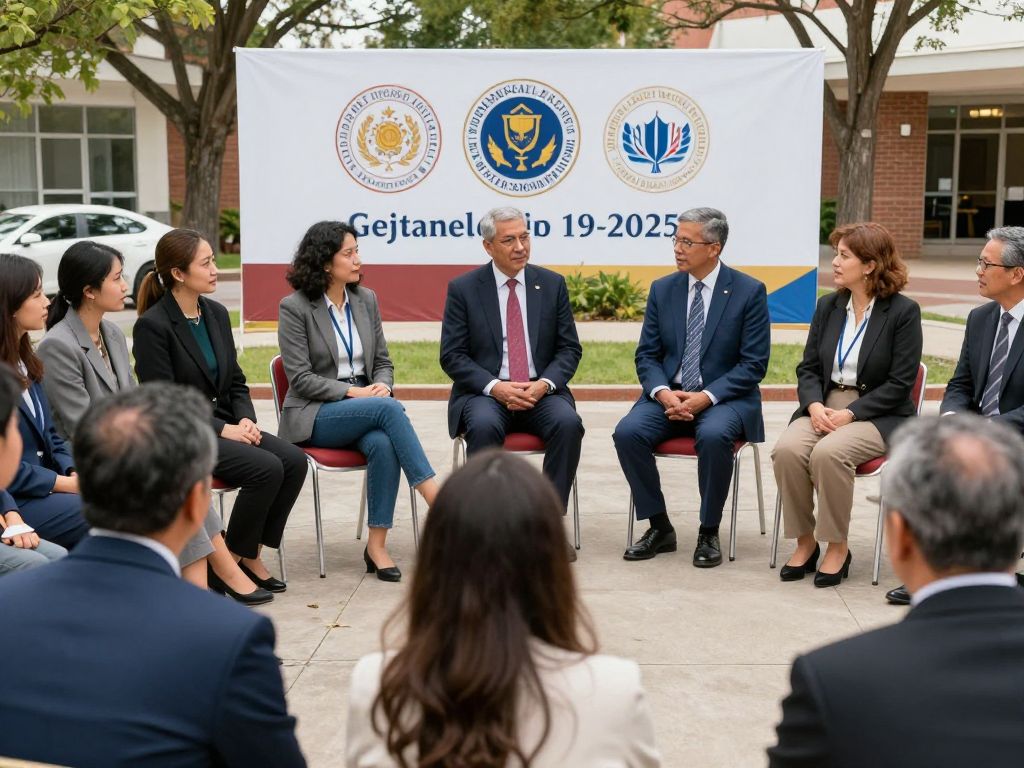
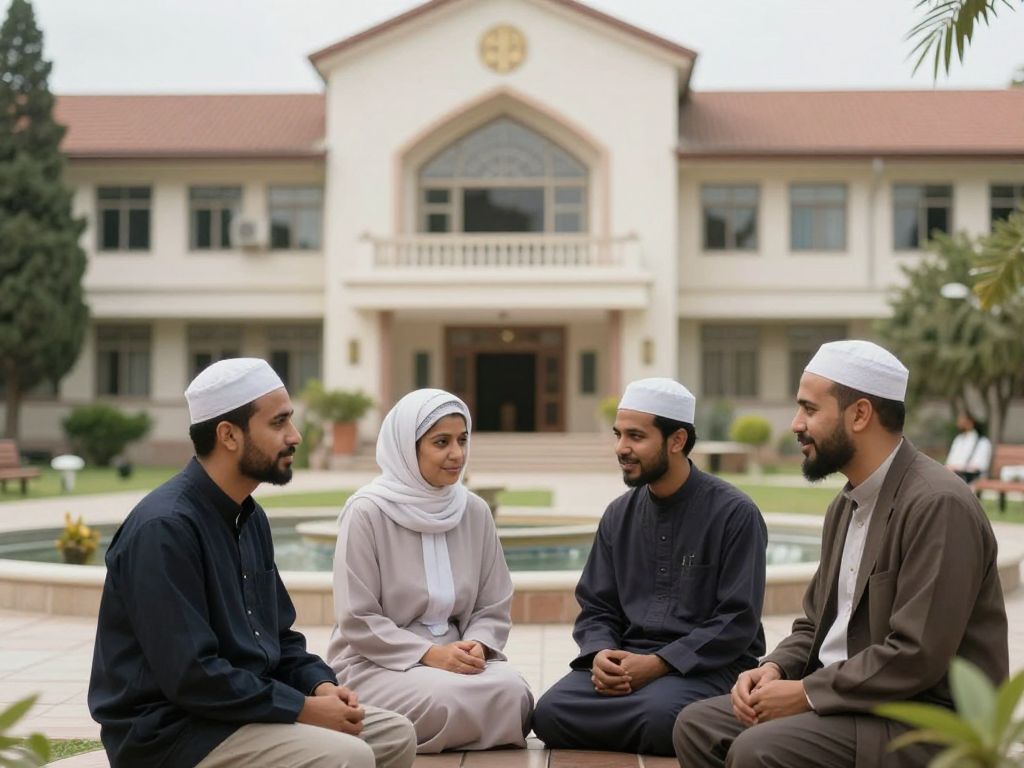
Boston University will host a panel discussion with its Chaplains focusing on the spiritual practices of fasting during Lent and Ramadan. This event marks a unique alignment in the religious calendar as both observances begin just a day apart. The discussion aims to promote interfaith dialogue and explore the significance of fasting as a common discipline in both Christianity and Islam, fostering a deeper understanding among students and faculty.
Boston, MA — Boston University is set to host a significant panel discussion bringing together its Chaplains to explore the spiritual disciplines of fasting, a central practice in both the Christian season of Lent and the Islamic holy month of Ramadan. This timely event addresses a unique convergence, as the two significant religious observances commence just a day apart this year, inviting a campus-wide conversation on faith, introspection, and community.
Such discussions underscore Boston’s vibrant academic environment and its commitment to fostering intellectual and spiritual growth among its diverse student body. By facilitating interfaith dialogue, Boston University demonstrates its dedication to academic freedom and the pursuit of understanding across different traditions, reinforcing values of mutual respect and informed inquiry. The event serves as a testament to how higher education in Massachusetts can bridge cultural and religious divides, encouraging personal responsibility in spiritual development and building a more cohesive campus community.
A Timely Convergence of Spiritual Seasons
The year 2026 marks a unique alignment in the religious calendar, with the Christian observance of Lent and the Islamic holy month of Ramadan beginning in close proximity. This synchronicity provides a distinct opportunity for reflection on shared human experiences of discipline and devotion across major faiths. The Boston University Chaplains panel is specifically designed to illuminate these parallels and distinctions, offering insights into the profound role of fasting as a ritual practice.
Both Lent and Ramadan involve periods of intentional self-denial and heightened spiritual focus, although their specific practices and theological underpinnings differ. This intersection highlights the university’s role in promoting a nuanced understanding of global cultures and belief systems, enriching the academic experience for students and faculty alike in the Boston MA college news landscape. Through such programs, institutions like Boston University contribute to a broader Massachusetts higher education ecosystem that values diverse perspectives.
Lent: Christian Discipline and Reflection
For Christians, Lent is a solemn period of approximately 40 days leading up to Easter, characterized by prayer, penance, almsgiving, and self-denial. The tradition harks back to Jesus’s 40 days of fasting in the wilderness. While not explicitly mentioned by name in scripture, the practice of fasting during this period is a longstanding custom for many Christian denominations.
The observance of Lent varies among Christian traditions. For instance, Episcopalians actively practice Lent, often choosing to give up certain foods or habits as a form of spiritual discipline. Furthermore, there is a noticeable trend among some Protestant denominations to incorporate Lenten practices into their spiritual calendars, indicating a broader appreciation for this period of introspection and spiritual growth. Fasting for Christians is not solely confined to Lent; individuals can engage in fasting at any time of the year as a personal spiritual practice.
Ramadan: The Islamic Pillar of Fasting
Ramadan, the ninth month of the Islamic calendar, is observed by Muslims worldwide as a month of fasting, prayer, reflection, and community. Fasting during Ramadan is considered one of the five pillars of Islam, a fundamental practice for adherents of the faith. During this month, Muslims abstain from food, drink, and other physical needs from dawn until sunset, focusing instead on spiritual purification and devotion.
The practice of fasting in Ramadan is not merely about abstaining from physical nourishment; it is also a time for increased prayer, reading of the Quran, and acts of charity. This rigorous spiritual discipline is intended to foster a deeper connection with God, cultivate self-control, and enhance empathy for those less fortunate. The communal aspects of Ramadan, including shared meals at sunset (iftar) and special nightly prayers (tarawih), reinforce bonds of solidarity and community among Muslims globally.
Beyond Ritual: Fostering Understanding and Personal Growth
The Boston University Chaplains panel aims to delve deeper than the mere mechanics of fasting, exploring the spiritual and personal growth fostered by these ancient practices. Fasting, in both Lent and Ramadan, is understood as a means to cultivate discipline, self-awareness, and a heightened sense of personal responsibility. It encourages individuals to look inward, reflect on their values, and consider their impact on their communities.
Such academic and spiritual explorations at institutions like Boston University contribute significantly to a more informed and empathetic citizenry. By understanding the diverse religious practices and the personal commitments they entail, students and faculty gain invaluable insights into different worldviews, which is essential for fostering leadership and community impact within Boston and beyond. This approach embodies the spirit of academic freedom where different beliefs can be respectfully examined and understood.
University’s Role in Interreligious Dialogue
Boston University’s initiative to host this panel discussion highlights its vital role in promoting interreligious dialogue and understanding. In a dynamic city like Boston, MA, with a rich tapestry of cultures and faiths, facilitating conversations about religious observances is crucial for strengthening community ties and fostering an inclusive environment. The university provides a neutral and intellectually stimulating platform where students, faculty, and community members can learn from experienced religious leaders.
This commitment to open discussion and education is a cornerstone of Massachusetts higher education. It prepares students not only for professional success but also for responsible citizenship in a globalized world, emphasizing the importance of respecting diverse perspectives and engaging in constructive dialogue. Such campus events contribute significantly to student life by enriching their understanding of different cultures and promoting a climate of academic and spiritual exploration.
Conclusion
The upcoming panel discussion by Boston University Chaplains on fasting during Lent and Ramadan represents a commendable effort to foster interfaith understanding and highlight the shared spiritual quest for discipline and reflection. This event serves as an exemplary model for how universities in the Boston MA area can contribute to broader societal understanding by facilitating informed dialogue on complex religious and cultural practices. It underscores the profound value of academic rigor in exploring spiritual dimensions of human experience and the importance of personal responsibility in navigating diverse belief systems.
Readers are encouraged to engage with the rich academic and spiritual offerings available across Boston’s universities, exploring programs and campus events that promote leadership, community impact, and a deeper understanding of our interconnected world. Staying informed about such initiatives strengthens the fabric of our Massachusetts higher education community and enriches student life for all.
| Feature | Lent (Christianity) | Ramadan (Islam) |
|---|---|---|
| Religious Tradition | Christianity | Islam |
| Purpose | Reflection, repentance, spiritual renewal | Spiritual purification, devotion, self-discipline |
| Duration | Approximately 40 days (traditionally) | One month (based on lunar calendar) |
| Fasting Practice | Varies; often involves giving up certain foods/habits; specific fasting days (e.g., Ash Wednesday, Good Friday) | Dawn to sunset abstinence from food, drink, and other physical needs |
| Key Figures/Origin | Jesus (40 days of fasting) | Prophet Muhammad (revelation of Quran) |
| Observance | Episcopalians, some Protestants | Worldwide Muslim community |
Frequently Asked Questions
What is the Boston University Chaplains panel discussion about?
The panel discussion by Boston University Chaplains is set to discuss fasting for Lent and Ramadan, as both Christian and Islamic seasons begin a day apart this year, with fasting being a ritual in both.
Why is this discussion particularly timely this year?
The discussion is particularly timely because both the Christian season of Lent and the Islamic holy month of Ramadan begin just a day apart this year.
What is Lent?
Lent is a Christian season involving fasting, and it is a period of approximately 40 days leading up to Easter, observed by many Christian traditions.
Do all Christian denominations observe Lent?
While many Christian denominations observe Lent, practices vary; for example, Episcopalians practice Lent, and among some Protestants, there is a growing trend to incorporate Lent.
What is Ramadan?
Ramadan is the Islamic season involving fasting, and fasting during the month of Ramadan is included in the 5 pillars of Islam.
Can Christians fast at other times of the year?
Yes, Christians can fast anytime of year, including periods outside of Lent.
Deeper Dive: News & Info About This Topic
HERE Resources

Author: STAFF HERE BOSTON WRITER
The BOSTON STAFF WRITER represents the experienced team at HEREBoston.com, your go-to source for actionable local news and information in Boston, Suffolk County, and beyond. Specializing in "news you can use," we cover essential topics like product reviews for personal and business needs, local business directories, politics, real estate trends, neighborhood insights, and state news affecting the area—with deep expertise drawn from years of dedicated reporting and strong community input, including local press releases and business updates. We deliver top reporting on high-value events such as Boston Marathon, Head of the Charles Regatta, and Boston Harborfest. Our coverage extends to key organizations like the Greater Boston Chamber of Commerce and Associated Industries of Massachusetts, plus leading businesses in finance, biotech, and insurance that power the local economy such as Fidelity Investments, Biogen, and Liberty Mutual Insurance. As part of the broader HERE network, we provide comprehensive, credible insights into Massachusetts's dynamic landscape.