

Essex County, MA, December 29, 2025
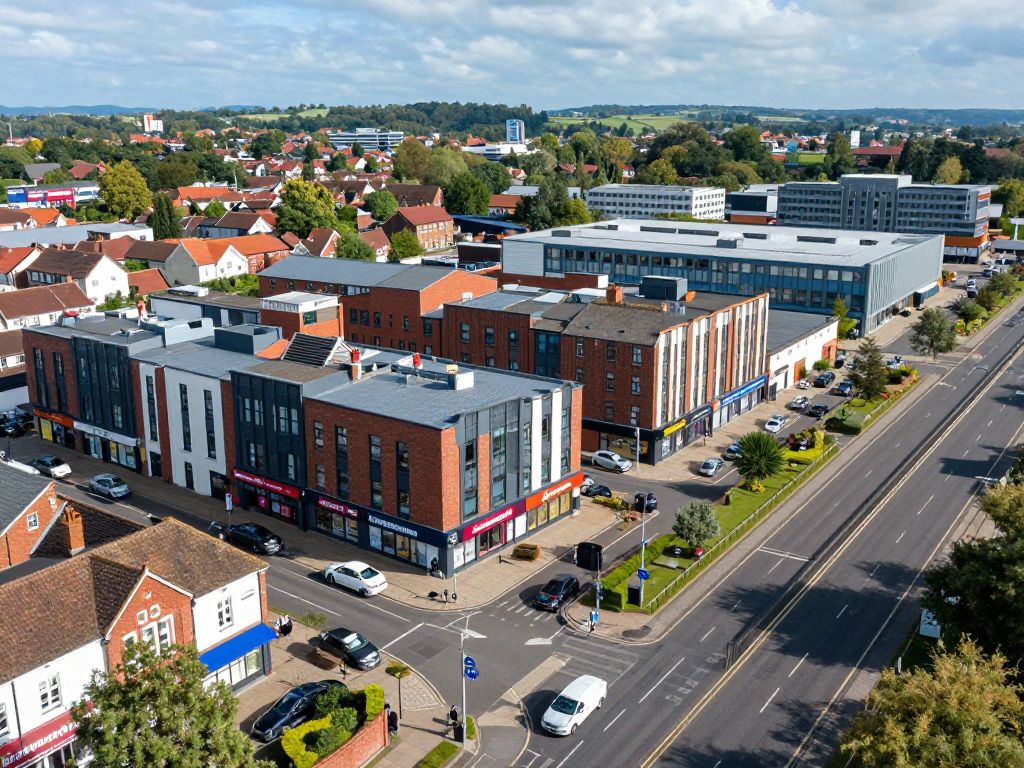
Essex County’s commercial real estate market is evolving to meet the demands of local businesses adjusting to new workplace expectations. Developers are adapting to changes in space needs by offering flexible, strategically located professional spaces. As a result, Essex County is seen as a favorable environment for commerce, attracting entrepreneurs and small businesses alike. With a focus on accessibility, cost-effectiveness, and community engagement, the region’s commercial property landscape reflects a dynamic economy poised for sustainable growth.
Boston, MA –
Essex County’s Commercial Property Market: A Growth Catalyst
In an era demanding adaptability and strategic foresight from businesses, Essex County’s commercial real estate market is proving to be a dynamic force, offering vital opportunities for companies seeking stability and growth. Local developers are closely observing evolving business needs and workplace expectations, which in turn are shaping the demand for professional spaces across the region.
The resilience of Massachusetts entrepreneurs and the region’s commitment to fostering a favorable environment for commerce underscore a compelling narrative of economic vitality. This ongoing assessment by property experts highlights how thoughtful planning and strategic location choices are not merely responding to market shifts but actively contributing to the broader economic strength and community development within Essex County, a testament to the power of private investment and market-driven solutions.
Understanding Essex County’s Evolving Commercial Landscape
Interest in commercial property for lease in Essex County continues to evolve as businesses reassess space needs, workplace expectations, and long-term operational strategies. Cummings Properties, a significant presence in the region’s commercial real estate, has been closely observing these shifts, noting how the area’s blend of established communities, transportation advantages, and diverse business sectors influences leasing activity. This perspective comes from decades of experience with organizations seeking flexible and dependable environments that support both daily operations and broader growth plans.
Essex County maintains a distinct position within the Greater Boston commercial landscape. It features a combination of historic downtowns, suburban office campuses, and mixed-use districts, creating an environment where a wide range of enterprises, from professional services and life sciences to trades and nonprofits, can find suitable spaces. Over recent years, interest has remained steady as companies prioritize locations that balance convenience with value and offer the stability needed to navigate changing economic conditions. This focus has led to a noticeable shift toward thoughtfully designed buildings that allow clients to adapt without disruption as staffing levels or service models change.
Key Drivers of Demand: Accessibility, Value, and Identity
Accessibility is a significant factor influencing commercial property demand in Essex County. Proximity to major highways, including Routes 128 and I-95, supports efficient travel for employees, clients, and vendors. Many organizations highlight the advantages of locating in established commercial corridors, which reduce commute times while keeping businesses within reach of Boston-area resources. These transportation benefits continue to shape leasing decisions, particularly for companies reliant on regional client bases or those coordinating with partners throughout Massachusetts and southern New Hampshire.
Cost considerations also remain central to leasing decisions, and Essex County continues to attract companies seeking a balance of affordability and convenience. Compared to more urban centers, many of the region’s commercial districts offer competitive terms without sacrificing accessibility or professional appeal. Organizations often view Essex County as a strategic middle ground: close enough to Greater Boston’s economic engine to maintain strong connections, yet distanced enough to provide financial flexibility. Furthermore, businesses in Essex County increasingly seek properties that support their organizational identity, recognizing that the right environment contributes to first impressions, influencing how partners, clients, and prospective employees perceive the organization. A professional building that reflects a company’s values can strengthen connections, reinforce credibility, and create a welcoming setting.
Embracing Innovation and Small Business Resilience
The economic landscape of Essex County is characterized by a diverse workforce and growing sectors such as Financial Activities, Healthcare and Social Assistance, and Professional and Business Services. The county’s job market increased by 4% in the last year, with future job growth over the next ten years predicted to be 38.7%, surpassing the U.S. average of 33.5%. Notably, over half of the businesses in Essex County employ between 1 and 4 people, indicating a prevalence of small businesses that form the backbone of the local economy. Self-employment in Essex County also generates more revenue per resident than the national average.
Massachusetts, including the Boston area, boasts a thriving entrepreneurial ecosystem, supported by numerous accelerators and incubators that provide startups with essential resources, mentorship, and access to funding opportunities. This environment fosters a culture of innovation and growth, particularly in sectors like biotechnology, digital health, artificial intelligence, and fintech. Such a vibrant startup culture, combined with strong private investment, creates a dynamic space where young companies can thrive and scale, contributing significantly to the regional economy.
The Impact of Thoughtful Development and Limited Regulation
The availability of professional buildings for rent within centralized campuses gives organizations more control over their operational strategies. Through locations managed by property developers, businesses can select the square footage, layout, and location that best align with their goals while remaining within the same regional network. These commercial campuses often serve as modern hubs that anchor neighborhoods, introducing steady patterns of activity, daily foot traffic, shared amenities, and professional environments. Over time, these areas reflect the character of the businesses they host, becoming recognizable centers for collaboration and problem-solving.
While zoning laws and land use regulations are crucial for guiding development and influencing property values, an excessive regulatory burden can stifle growth and investment. In Massachusetts, the commercial real estate market must navigate an evolving legal framework, including new energy codes and other compliance requirements, which can affect the feasibility of projects. Advocates for small property owners have also highlighted concerns that certain regulations, such as proposed rent control measures, could have a chilling effect on investment and development, potentially leading to decreased quality of housing and units being taken off the market. A balanced approach that ensures responsible development while minimizing undue restrictions is essential for fostering continued economic expansion and attracting private capital.
Looking Ahead: Adaptability and Sustainable Growth
Looking ahead, several trends are poised to shape the next phase of commercial property demand in Essex County. Hybrid work models continue to influence space planning, prompting clients to prioritize adaptability and efficiency. Sustainability initiatives are also gaining traction, with organizations seeking buildings that support energy-conscious operations. Furthermore, community engagement is becoming more prominent as companies aim to connect with local networks and customers. These factors will continue to guide leasing decisions and contribute to steady interest in commercial property throughout Essex County. This focus on practicality and thoughtful planning ensures that the spaces chosen strengthen businesses’ foundations for the years ahead.
Conclusion
Essex County stands as a testament to strategic economic development, where entrepreneurial spirit and thoughtful property management converge to create a robust business environment. The consistent efforts of local businesses and developers like Cummings Properties in providing flexible, accessible, and value-driven commercial spaces are crucial for sustaining this momentum. By prioritizing innovation, supporting small businesses, and carefully considering the impact of regulatory frameworks, the region ensures a fertile ground for continued prosperity.
We encourage our readers to engage with and support the local businesses that define Boston’s vibrant economic tapestry and contribute to Essex County’s dynamic future. Staying informed and involved in our community’s economic discussions is key to fostering an environment where innovation thrives and opportunities abound for Massachusetts entrepreneurs.
Frequently Asked Questions
- What is influencing demand for commercial property in Essex County?
- Interest in commercial property for lease in Essex County continues to evolve as businesses reassess space needs, workplace expectations, and long-term operational strategies. Adaptability, efficiency, accessibility, and cost considerations are key factors.
- What role does accessibility play in commercial leasing decisions in Essex County?
- Proximity to major highways, including Routes 128 and I-95, supports efficient travel for employees, clients, and vendors, making accessibility a significant factor in commercial leasing decisions.
- How does Essex County’s commercial real estate compare to more urban centers?
- Compared to more urban centers, many of Essex County’s commercial districts offer competitive terms without sacrificing accessibility or professional appeal, providing a balance of affordability and convenience.
- What are the key characteristics of Essex County’s economy?
- Essex County’s economy features a diverse workforce, with growing sectors like Financial Activities, Healthcare and Social Assistance, and Professional and Business Services. Over half of its businesses employ 1-4 people, and self-employment generates more revenue per resident than the nation.
- What trends are expected to shape future commercial property demand in Essex County?
- Future demand will be shaped by hybrid work models influencing space planning, a growing focus on sustainability initiatives for energy-conscious operations, and increased community engagement from companies.
Key Features of Commercial Property Demand in Essex County
| Feature | Description | Scope |
|---|---|---|
| Evolving Business Needs | Businesses are reassessing space needs, workplace expectations, and long-term operational strategies. | Local (Essex County) |
| Adaptability and Efficiency | High demand for thoughtfully designed buildings that allow clients to adapt without disruption. | Local (Essex County) |
| Accessibility | Proximity to major highways (Routes 128, I-95) is crucial for efficient travel. | Local (Essex County) |
| Cost-Effectiveness | Offers a balance of affordability and convenience compared to more urban centers. | Local (Essex County) |
| Support for Identity | Properties that reflect a company’s values and approach are highly sought after. | Local (Essex County) |
| Hybrid Work Models | Influence space planning and prioritize adaptable and efficient layouts. | Local (Essex County) |
| Sustainability Initiatives | Growing traction for buildings that support energy-conscious operations. | Local (Essex County) |
| Community Engagement | Companies increasingly aim to connect with local networks and customers. | Local (Essex County) |
| Dominance of Small Businesses | Over half of businesses in Essex County employ 1-4 people, indicating a strong small business presence. | Local (Essex County) |
Deeper Dive: News & Info About This Topic
HERE Resources
Boxford Named Richest Small Town in Massachusetts

Author: STAFF HERE BOSTON WRITER
The BOSTON STAFF WRITER represents the experienced team at HEREBoston.com, your go-to source for actionable local news and information in Boston, Suffolk County, and beyond. Specializing in "news you can use," we cover essential topics like product reviews for personal and business needs, local business directories, politics, real estate trends, neighborhood insights, and state news affecting the area—with deep expertise drawn from years of dedicated reporting and strong community input, including local press releases and business updates. We deliver top reporting on high-value events such as Boston Marathon, Head of the Charles Regatta, and Boston Harborfest. Our coverage extends to key organizations like the Greater Boston Chamber of Commerce and Associated Industries of Massachusetts, plus leading businesses in finance, biotech, and insurance that power the local economy such as Fidelity Investments, Biogen, and Liberty Mutual Insurance. As part of the broader HERE network, we provide comprehensive, credible insights into Massachusetts's dynamic landscape.