
News Summary
Recent improvements in the FAFSA process are enhancing accessibility to federal financial aid for Boston students. The Class of 2026 is set to benefit from a significant increase in FAFSA completions compared to previous years, thanks to streamlined procedures and an earlier release date. This shift is fostering a more favorable environment for pursuing higher education, allowing families to make informed financial decisions, and ultimately contributing to the academic growth of students in Massachusetts.
Boston, MA
Streamlined FAFSA Boosts College Aspirations for Boston Students
The Class of 2026 is completing federal financial aid applications at a remarkable pace, paving clearer pathways to higher education for Massachusetts students and beyond. This positive shift highlights the impact of efficient processes in supporting academic growth.
Access to higher education remains a cornerstone of personal advancement and societal progress. For families across Boston and the nation, navigating the complexities of college financing can often feel like a significant hurdle. However, recent developments in the Free Application for Federal Student Aid (FAFSA) process offer a compelling narrative of how focused innovation and a streamlined approach can significantly improve outcomes, encouraging more students to pursue their academic ambitions. The U.S. Department of Education’s efforts to simplify this critical step are already demonstrating tangible benefits, fostering an environment where educational pursuits are more accessible for aspiring scholars.
A National Surge in FAFSA Completions
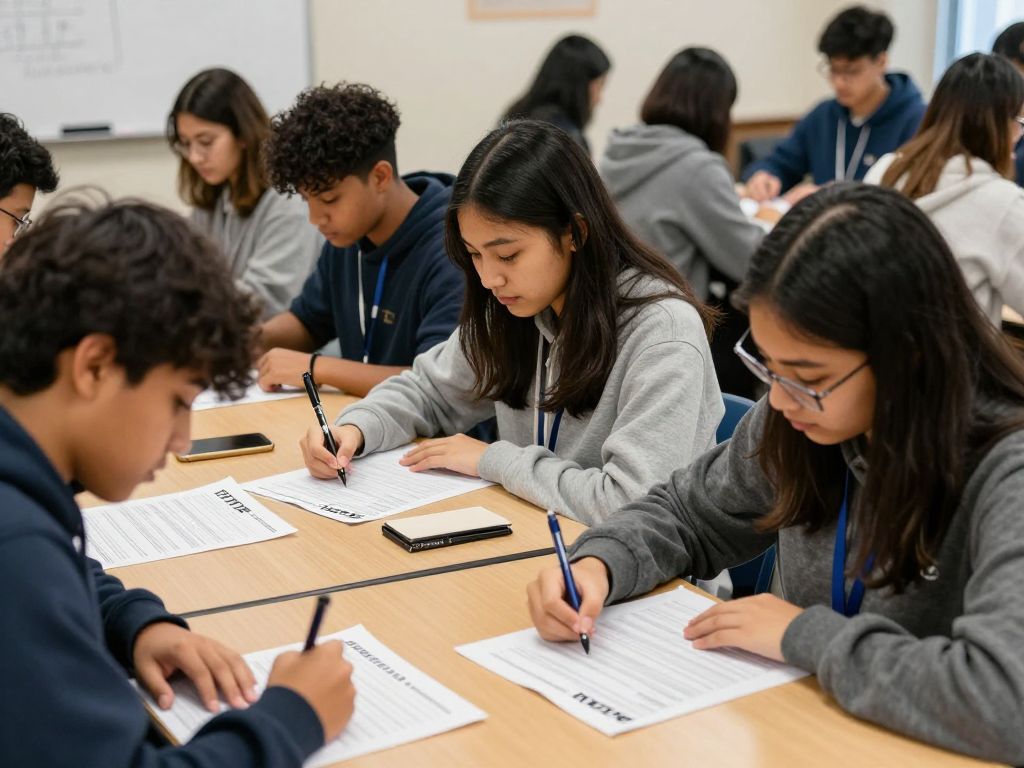
The high school class of 2026 is demonstrating an encouraging trend in federal financial aid applications, with FAFSA completions currently outpacing those of the previous year’s graduating class Nationwide. As of December 17, 2025, submissions for the 2026–27 FAFSA cycle had already surpassed volumes from the corresponding period last year, marking a significant milestone in college financial aid accessibility Nationwide. This momentum continued through December, with over 1.3 million graduating high school seniors completing the 2026-27 FAFSA form by December 26, 2025 Nationwide. The U.S. Department of Education has pointed to two key factors contributing to this increase: an earlier form release date and a streamlined user process Nationwide.
The Power of a Streamlined Process
The noticeable acceleration in FAFSA completions for the Class of 2026 can be attributed to deliberate actions taken by the U.S. Department of Education to simplify the application process Nationwide. By making the form available earlier and implementing a more user-friendly interface, potential bureaucratic obstacles have been reduced, enabling more students and families to complete this vital step towards federal financial aid. This streamlined approach underscores the benefits of limited bureaucracy, demonstrating how refined governmental processes can directly empower individuals to achieve their educational goals. The increased rate of high school seniors completing the FAFSA faster than in previous years highlights the positive impact of these practical changes Nationwide.
Reversing Previous Trends
This year’s surge in FAFSA completions represents a positive reversal from previous challenges. For instance, the high school class of 2020 experienced a national decline of 4.2% in FAFSA completions Nationwide. After years of declining participation, the current momentum indicates a successful pivot, showcasing how targeted improvements can overcome previous hurdles and significantly boost engagement. The shift from a decline in FAFSA completions to the current outpacing trend for the Class of 2026 signals a more effective system that better serves the needs of students and families Nationwide.
Empowering Parental Choice and Student Achievement
The simplification of the FAFSA process directly contributes to greater parental choice and fosters personal achievement among students. When the financial aid application is more accessible, parents are better equipped to understand and explore the full range of options available for funding their children’s higher education. This clarity empowers families to make informed decisions that align with their educational aspirations and financial circumstances. For students, the assurance that financial aid is within reach can be a powerful motivator, allowing them to focus on academic excellence and pursue their chosen fields of study with greater confidence. This accessibility supports the individual’s journey towards higher education, reinforcing the idea that talent and hard work should not be limited by financial barriers.
Implications for Boston MA Families
While the increase in FAFSA completions is a Nationwide trend, its implications for Boston MA students and families are significant. Greater accessibility to federal financial aid means more local students can realistically consider post-secondary education options, from vocational schools to four-year universities. Boston MA schools and community organizations play a crucial role in disseminating information and providing support to families as they navigate the application process. Encouraging robust engagement from parents and offering practical assistance for completing the FAFSA are key to ensuring that every eligible student in Massachusetts can access the financial resources needed for their academic journey. This collective effort reinforces the value of community involvement in education and directly contributes to the academic growth of Boston’s youth.
Conclusion
The notable increase in FAFSA completions for the Class of 2026 is a testament to the power of streamlined processes and a commitment to educational access Nationwide. By simplifying the application and releasing it earlier, the U.S. Department of Education has removed significant barriers, paving the way for more students to pursue higher education. This positive trend not only supports individual academic aspirations but also strengthens the fabric of our communities by investing in future generations. We encourage all Boston MA families with graduating seniors to take advantage of these improved resources and engage with their local schools for guidance on financial aid. Supporting our students in accessing these opportunities is an investment in their personal achievement and the collective future of Massachusetts education.
Frequently Asked Questions About FAFSA Completions
What is the current trend in FAFSA completions for the Class of 2026?
FAFSA completions for the Class of 2026 are outpacing last year’s completions Nationwide.
What are the reasons for the increase in FAFSA completions for the Class of 2026?
The U.S. Department of Education points to an earlier form release date and a streamlined user process for the increase in federal financial aid applications Nationwide.
How many high school seniors completed the 2026-27 FAFSA by late December 2025?
By December 26, 2025, over 1.3 million graduating high school seniors completed the 2026-27 FAFSA form Nationwide.
What was the FAFSA completion trend for the Class of 2020?
The high school class of 2020 experienced a national decline of 4.2% in FAFSA completions Nationwide.
Key Features of 2026-27 FAFSA Cycle
| Feature | Description | Scope |
|---|---|---|
| Completion Rate | Outpacing previous year’s volume for the Class of 2026 | Nationwide |
| Primary Drivers | Earlier form release date, streamlined user process | Nationwide |
| Completions by Dec 26, 2025 | Over 1.3 million graduating high school seniors completed | Nationwide |
| Comparison to Class of 2020 | Reverses a 4.2% decline in FAFSA completions for the Class of 2020 | Nationwide |
Deeper Dive: News & Info About This Topic
HERE Resources

Author: STAFF HERE BOSTON WRITER
The BOSTON STAFF WRITER represents the experienced team at HEREBoston.com, your go-to source for actionable local news and information in Boston, Suffolk County, and beyond. Specializing in "news you can use," we cover essential topics like product reviews for personal and business needs, local business directories, politics, real estate trends, neighborhood insights, and state news affecting the area—with deep expertise drawn from years of dedicated reporting and strong community input, including local press releases and business updates. We deliver top reporting on high-value events such as Boston Marathon, Head of the Charles Regatta, and Boston Harborfest. Our coverage extends to key organizations like the Greater Boston Chamber of Commerce and Associated Industries of Massachusetts, plus leading businesses in finance, biotech, and insurance that power the local economy such as Fidelity Investments, Biogen, and Liberty Mutual Insurance. As part of the broader HERE network, we provide comprehensive, credible insights into Massachusetts's dynamic landscape.