
Fall River, MA, December 22, 2025
Fall River, Massachusetts, is witnessing a manufacturing revival as community leaders engage Gen Z in the sector. This effort focuses on skill development, local opportunities, and strategic partnerships that blend traditional craftsmanship with modern technology. Investments have improved infrastructure, expanded local businesses, and created job pathways for youth, showing a commitment to economic growth rooted in local talent.
Fall River, MA
Gen Z Revitalizes Manufacturing in Fall River?
Fall River, Massachusetts, a city rich in industrial heritage, is charting a new course for its manufacturing sector by actively engaging the next generation. This proactive approach, focusing on skill development and local opportunity, offers valuable insights for Massachusetts entrepreneurs and Boston small business leaders observing evolving economic landscapes.
Once known as “Spindle City” for its extensive textile mills, Fall River experienced a significant decline in manufacturing due to globalization. However, a resurgence is underway, driven by a collaborative spirit among community leaders and private enterprises. This renewal is not solely dependent on advanced robotics or artificial intelligence but hinges significantly on attracting and integrating young talent into skilled trades, creating viable career pathways for Fall River manufacturing. The city’s journey exemplifies how focused local efforts and strategic partnerships can foster economic growth and resilience.
Fall River’s Resilient Spirit: A Manufacturing Legacy Renewed
Fall River’s history is deeply intertwined with its industrial past, particularly textile production. The city’s economic landscape has since diversified, embracing sectors such as retail, healthcare, education, and technology alongside a revitalized manufacturing base. This diversification underscores a pragmatic approach to economic stability, moving beyond reliance on a single industry while honoring its manufacturing roots. The current manufacturing renaissance leverages this industrial heritage, blending traditional craftsmanship with modern production methods.
Significant public and private investments have underpinned this transformation. In 2013, a $2 million grant, coupled with a local match, was invested in the city’s Industrial Park for water system improvements. These infrastructure enhancements provided much-improved water distribution and fire suppression systems, benefiting over 60 diverse companies and supporting more than 5,000 jobs. This strategic investment facilitated the expansion of existing businesses and attracted new ventures, demonstrating the positive impact of foundational public works on private sector growth and job creation within economic growth Massachusetts.
Bridging the Generational Divide: Gen Z in the Workforce
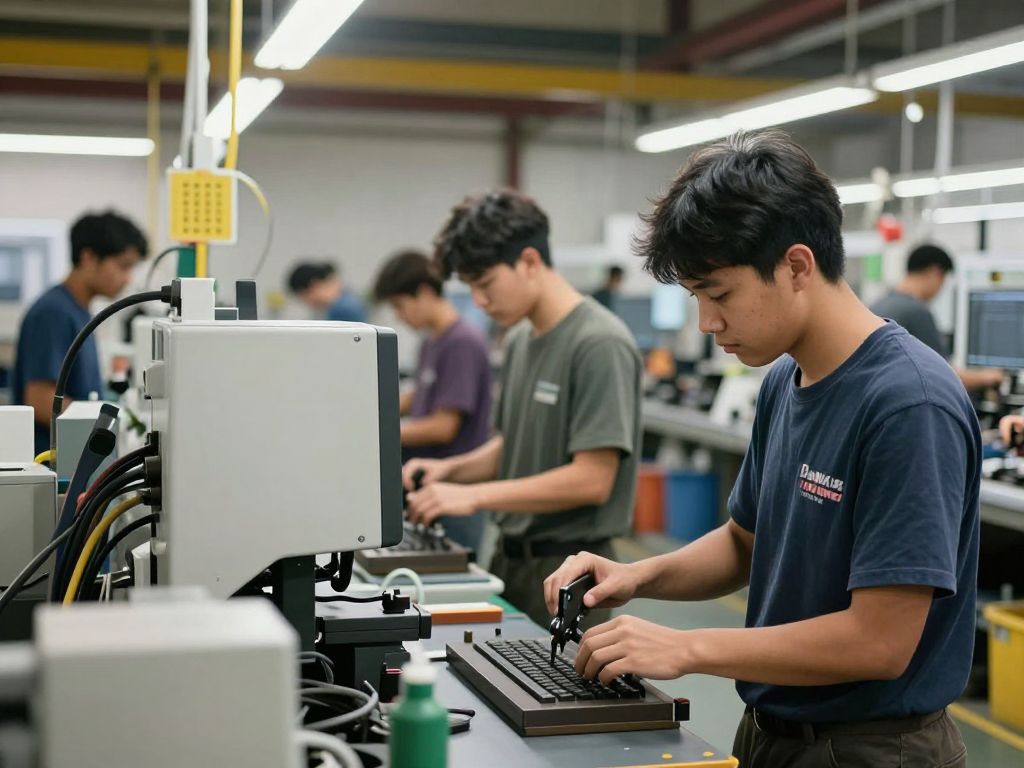
A crucial element of Fall River’s manufacturing revival is the deliberate effort to attract Gen Z into the sector. Community leaders recognize that the future of U.S. manufacturing depends on bridging a generational divide, ensuring that traditional craft skills are passed down and adapted for modern industry. This initiative acknowledges the necessity of engaging young people who might not traditionally consider manufacturing careers, offering them a path to stability and local employment.
A notable pilot program, supported by state and federal grants, was launched in 2024 to introduce high school students to the opportunities within manufacturing. This program involved 45 students touring local factories, providing them with firsthand exposure to various manufacturing roles, including design and digitizing positions. The initiative’s success is highlighted by 26 participants applying for 80-hour internships, with five recent high school graduates securing full-time employment in manufacturing and marketing roles within these factories. Leaders involved in the program emphasize that manufacturing offers “viable positions in careers that have living wages,” enabling young people to build their lives in Fall River instead of seeking opportunities elsewhere.
Innovation Beyond Automation: Craft and Modern Production
Fall River’s manufacturing sector showcases a compelling blend of traditional artistry and advanced technology. Factories in the city produce high-quality goods, ranging from expertly stitched leather motorcycle jackets to intricate Egyptian cotton shams and elaborate alpaca, silk, and merino rugs woven on high-tech looms. This commitment to craftsmanship, often enhanced by 21st-century machinery, demonstrates that modern manufacturing is not solely about mass production but also about specialized, high-value goods.
An exemplary case is Matouk Textile Works, a luxury linen company that has not only remained in Fall River but expanded its operations. Matouk attributes its success to a blend of artisan manufacturing and modern techniques, ensuring high-quality standards. The company, a well-recognized name in Massachusetts, saw its sales significantly increase and its workforce grow to over 105 employees, fostering a collaborative and employee-focused culture.
Strategic Investments and Private Sector Momentum
The vitality of Fall River’s manufacturing sector is further bolstered by targeted grants and private sector investment. Beyond the initial infrastructure improvements, the Massachusetts entrepreneurs and businesses in the region continue to benefit from programs designed to strengthen supply chains and foster growth.
In September 2024, the state’s Massachusetts Manufacturing Accelerate Program (MMAP) awarded over $3.5 million in grants to 23 manufacturing companies across Massachusetts, including those in Fall River. These grants are intended to support the creation of up to 130 advanced manufacturing jobs and provide training for up to 151 workers statewide. Such initiatives demonstrate a commitment to supporting small to medium-sized manufacturers through capital equipment purchases and strategic partnerships, driving both innovation and job growth.
Cultivating Talent: State-Level Support and Local Partnerships
The broader Massachusetts ecosystem plays a vital role in supporting manufacturing workforce development. State-level programs, such as the Career Technical Initiative, are designed to address skills gaps and meet employer needs across the Commonwealth. Launched in January 2020, this initiative aimed to train an additional 20,000 skilled trades workers over four years. In April 2021, $2.1 million in funding was allocated to 10 vocational technical high schools to support training programs in various trades, including manufacturing. These efforts underscore a statewide commitment to building a robust talent pipeline for industries critical to economic health.
Organizations like MassMEP Workforce Development also contribute by preparing skilled individuals for manufacturing careers through training cohorts conducted in various communities, including Fall River. For businesses looking to establish or grow in Fall River, local resources like the City’s online business resource center, SCORE, the Massachusetts Small Business Development Center, and EforAll’s Accelerator program provide invaluable guidance on permits, licensing, funding, and mentorship. These resources empower Massachusetts entrepreneurs and small businesses to navigate challenges and seize opportunities for expansion.
Conclusion
Fall River’s manufacturing resurgence, powered by a strategic embrace of Gen Z and a blend of traditional craft with modern innovation, offers a compelling model for sustainable economic growth Massachusetts. The city’s proactive measures in workforce development, coupled with essential infrastructure investments and state-level support, highlight the potential for communities to revitalize industrial sectors. For Boston MA business leaders and Massachusetts entrepreneurs, Fall River’s story is a testament to the power of community collaboration, private sector resilience, and targeted initiatives in fostering a vibrant economic future, encouraging a renewed focus on local talent and tangible production.
FAQ
What is Fall River’s approach to manufacturing revival?
Fall River is undergoing a manufacturing renaissance that leverages its industrial heritage, focusing on engaging Gen Z to bridge a generational divide in craft skills and fill factory jobs.
How is Fall River engaging Gen Z in manufacturing?
A pilot program, funded by state and federal grants, was launched in 2024 to introduce high school students to manufacturing opportunities. This program included factory tours, skill development workshops, and internships, leading to full-time jobs for some participants.
What kind of manufacturing exists in Fall River today?
Fall River’s manufacturing includes expert artisans stitching leather motorcycle jackets, skilled needleworkers overseeing crest application on Egyptian cotton shams, and textile veterans monitoring high-tech looms for luxury rugs, demonstrating a blend of traditional craft and modern production.
What role do infrastructure improvements play in Fall River’s economic growth?
In 2013, a $2 million grant and local matching funds were invested in water system improvements at Fall River’s Industrial Park, enhancing water distribution and fire suppression. These improvements have supported over 60 diverse companies, created over 182 new jobs, and attracted over $55 million in private investment by 2016.
Are there state-level programs supporting manufacturing in Massachusetts?
Yes, state-level programs like the Massachusetts Manufacturing Accelerate Program (MMAP) and the Career Technical Initiative provide grants and funding to strengthen supply chains, spur growth, and support training programs for skilled trades workers across Massachusetts.
Key Features of Fall River’s Manufacturing Revival
| Feature | Description | Scope |
|---|---|---|
| Gen Z Engagement | Pilot program for high school students, including factory tours, workshops, and internships, leading to full-time job placements. | Local |
| Manufacturing Focus | Blend of traditional craftsmanship and modern production, producing luxury linens, leather goods, and high-quality textiles. | Local |
| Infrastructure Investment | $2 million grant (plus local match) in 2013 for water system improvements at the Industrial Park, supporting over 60 companies. | Local |
| Private Investment Growth | Infrastructure improvements created over 182 new jobs and attracted over $55 million in private investment by 2016. Matouk Textile Works saw significant sales and employment growth. | Local |
| State-Level Support | Massachusetts Manufacturing Accelerate Program (MMAP) providing over $3.5 million in grants for job creation and worker training. Career Technical Initiative training 20,000 skilled trades workers. | State-level |
| Workforce Development | MassMEP Workforce Development and local resources like SCORE and EforAll offer training, mentorship, and business assistance. | State-level and Local |
Deeper Dive: News & Info About This Topic
HERE Resources
Honma Golf Launches Sakura Dance 2 Ladies Package Set
Vanson Leathers Makes Headlines with Madonna’s Custom Jacket
Trade Tensions Heat Up: Autos Get Temporary Break in Massachusetts

Author: STAFF HERE BOSTON WRITER
The BOSTON STAFF WRITER represents the experienced team at HEREBoston.com, your go-to source for actionable local news and information in Boston, Suffolk County, and beyond. Specializing in "news you can use," we cover essential topics like product reviews for personal and business needs, local business directories, politics, real estate trends, neighborhood insights, and state news affecting the area—with deep expertise drawn from years of dedicated reporting and strong community input, including local press releases and business updates. We deliver top reporting on high-value events such as Boston Marathon, Head of the Charles Regatta, and Boston Harborfest. Our coverage extends to key organizations like the Greater Boston Chamber of Commerce and Associated Industries of Massachusetts, plus leading businesses in finance, biotech, and insurance that power the local economy such as Fidelity Investments, Biogen, and Liberty Mutual Insurance. As part of the broader HERE network, we provide comprehensive, credible insights into Massachusetts's dynamic landscape.