

Boston, MA, January 5, 2026
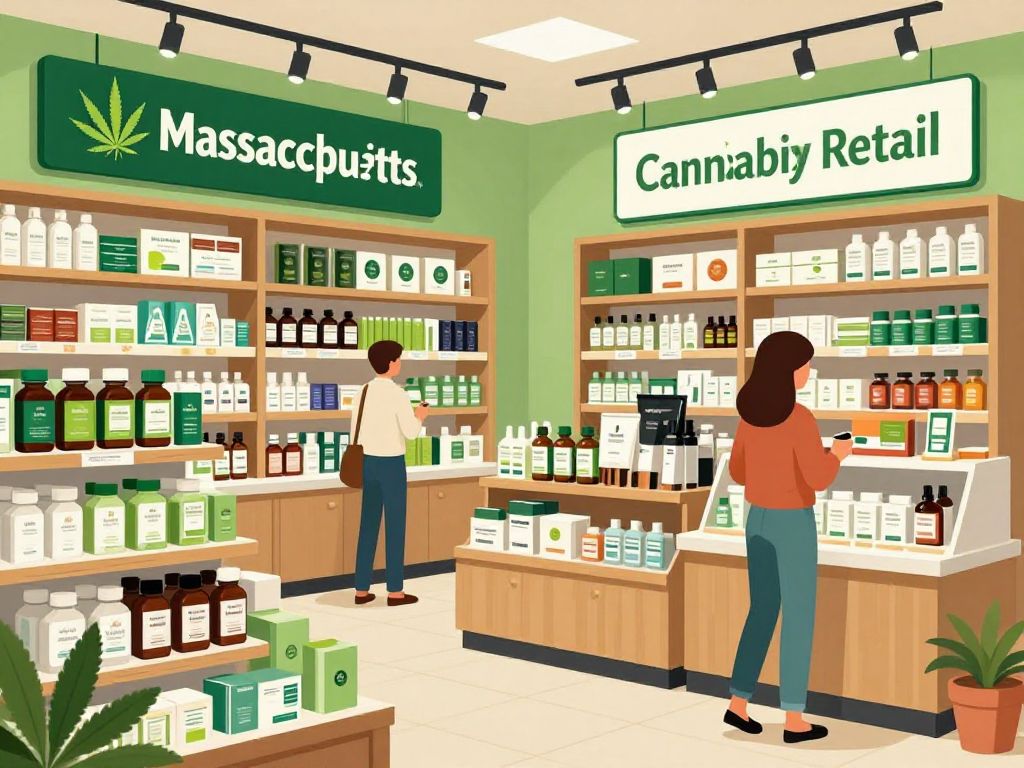
The Massachusetts cannabis market is currently grappling with severe price declines that favor consumers but challenge local entrepreneurs. Since the recreational sales began, the average price per gram has plummeted significantly, leading to business closures and financial strain on local cultivators and retailers. Despite these pressures, the industry continues to showcase resilience through innovation and strategic adaptation, highlighting the determination of Massachusetts entrepreneurs as they navigate a saturated market and evolving regulations.
Massachusetts Cannabis Market Faces Price Squeeze, Spurs Innovation
Boston’s vibrant entrepreneurial spirit is consistently on display, driving growth and innovation across diverse sectors. The state’s regulated cannabis industry, a relatively new but significant contributor to the Massachusetts economy, is currently navigating a dynamic period marked by intense competition and evolving market conditions. While consumers are benefiting from lower prices, local entrepreneurs and small businesses are demonstrating remarkable resilience and strategic adaptation in response to these shifts.
The journey of the Massachusetts cannabis market since its recreational launch in 2018 has been one of rapid expansion and significant economic impact, generating substantial tax revenue and thousands of jobs across the Commonwealth. However, as the market matures, it presents a unique set of challenges that highlight the determination of Massachusetts entrepreneurs to innovate and sustain their ventures within a competitive landscape. This period of adjustment underscores the constant need for businesses to evolve and for regulations to foster an environment conducive to continued growth and opportunity for all participants.
The Evolving Landscape of Cannabis Pricing
The Massachusetts cannabis market has seen prices reach their lowest point since the inception of recreational sales. The average price per gram has experienced a significant decline, falling from $14.09 when adult-use sales began in 2018 to approximately $5.36 by early 2025, and further to about $4.01 in late 2025. This trend has led to what some industry observers describe as a “race to the bottom” among retailers, as they seek to attract and retain customers in an increasingly saturated market.
While this price compression is favorable for consumers, it presents considerable financial challenges for many Boston MA business owners involved in cultivation, manufacturing, and retail. Despite these pricing pressures, the overall adult-use and medical cannabis market in Massachusetts achieved record sales of $1.64 billion in 2024 and approximately $1.8 billion in 2025. Cumulative sales since 2018 have surpassed $10 billion, demonstrating robust consumer demand and the market’s significant scale.
Entrepreneurial Drive Amidst Market Saturation
The initial enthusiasm for Massachusetts’s legal cannabis market encouraged numerous Massachusetts entrepreneurs to invest substantial capital and effort into establishing businesses. The promise of a new industry fueled innovation in product development, cultivation techniques, and unique retail experiences. However, the subsequent increase in cultivation licenses issued by the state’s Cannabis Control Commission has led to an oversupply, with supply quickly surpassing demand. This oversaturation has been a primary driver of the plummeting wholesale and retail prices, putting immense pressure on profit margins for businesses across the supply chain.
In response, businesses are focusing on strategies such as operational efficiencies, brand differentiation, and targeted marketing to stand out. The resilience of these small businesses and entrepreneurs is critical to the long-term health and diversity of the state’s cannabis economy.
Challenges for Local Producers and Retailers
For many Boston small business owners, particularly small and independent cultivators, the current pricing environment is particularly challenging. Many operators who staked their financial futures on earlier, higher price points are now struggling to cover costs and remain profitable. In 2024 alone, 30 licensed cannabis companies closed in Massachusetts, a significant increase from prior years. These closures predominantly affected cultivation and manufacturing sectors, though retail outlets also experienced exits.
Beyond pricing, other factors include regional competition, as neighboring states like Connecticut and New York have developed their own legal cannabis markets, potentially reducing out-of-state consumer traffic to Massachusetts dispensaries. Additionally, the federal illegality of cannabis creates unique challenges, such as banking restrictions and the inability for cannabis companies to deduct normal business expenses from federal taxes under Section 280E.
Regulation and the Path to Equitable Growth
The Massachusetts Cannabis Control Commission (CCC) serves as the primary regulatory body, overseeing licensing, compliance, and enforcement within the complex legal framework governing the state’s cannabis industry. While regulations are essential for safety and market integrity, they can also present significant hurdles for businesses. Strict regulations on product testing, packaging, labeling, marketing, and advertising require substantial investment and expertise for compliance.
Recognizing these challenges, the CCC has been actively working to refine its policies. Recent regulatory reforms approved in late 2024 aimed at increasing efficiencies for patient and consumer deliveries and the transport of marijuana products for testing. These reforms also permit microbusinesses and craft marijuana cooperatives to expand operations and allow patients to request telehealth for initial certifications. Furthermore, the Commission approved regulations for social consumption establishments in December 2025, which, while not immediately available for licensing, signify an evolving regulatory landscape.
A key focus for Massachusetts has been its Social Equity Program, designed to ensure that individuals and communities disproportionately harmed by past marijuana prohibition have pathways to participate in the industry. Despite these intentions, social equity applicants have historically faced difficulties securing financing and navigating licensing delays. In response, the Healey-Driscoll Administration announced $26 million in grants in late 2024 through the Cannabis Social Equity Grant Program, funded by the state’s Cannabis Social Equity Trust Fund, to provide crucial support to these entrepreneurs.
Looking Ahead: Resilience and Adaptation
The current market dynamics in Massachusetts underscore the need for continued innovation and strategic adaptation among cannabis businesses. The long-term success of the industry will rely on the ability of Massachusetts entrepreneurs to differentiate their products, streamline operations, and effectively navigate the evolving regulatory environment. The commitment to supporting small businesses and fostering an inclusive economic landscape remains a priority for the Commonwealth. As the market continues to mature, a balanced approach to regulation that supports market stability while promoting entrepreneurial growth will be essential. Engaged community involvement and sustained support for local businesses will also play a vital role in shaping Boston’s economic future and ensuring the industry’s sustained contribution to the state.
Boston, MA
Frequently Asked Questions (FAQ) about the Massachusetts Cannabis Market
What is the current trend for cannabis prices in Massachusetts?
Cannabis prices in Massachusetts have reached their lowest point since the state’s recreational pot market opened.
How much have average cannabis prices dropped in Massachusetts since recreational sales began?
Since adult-use sales began in 2018, the average price per gram of cannabis in Massachusetts has dropped from $14.09 to about $5.36. By late 2025, the average retail price per gram had fallen to about $4.01.
What impact are low cannabis prices having on businesses in Massachusetts?
While consumers benefit from lower prices, the drop is severely impacting business profitability across the state, especially for small and independent cultivators, forcing some operators to shut their doors.
Despite falling prices, what is the overall sales trend for the Massachusetts cannabis market?
Despite lower prices, legal marijuana sales in Massachusetts climbed to around $1.8 billion in 2025, setting a new annual high for the combined adult-use and medical market. The adult-use industry’s gross sales reached $1.64 billion in 2024, setting a new annual record.
What is the role of the Cannabis Control Commission (CCC) in Massachusetts?
The Massachusetts Cannabis Control Commission (CCC) is the primary regulatory agency for the state of Massachusetts’s cannabis industry, responsible for licensing, compliance, and enforcement.
What tax revenue does the cannabis industry generate for Massachusetts?
Marijuana Establishments in Massachusetts provided $272 million in state tax revenue in FY 2024. The state generated around $280 million in cannabis tax revenue in 2025.
Are there any specific programs to support minority and disadvantaged entrepreneurs in the Massachusetts cannabis industry?
Yes, the Cannabis Social Equity Grant Program, funded by the state’s Cannabis Social Equity Trust Fund, provides grants to Massachusetts cannabis entrepreneurs from communities that have been disproportionately harmed by marijuana prohibition and enforcement.
Key Features of the Massachusetts Cannabis Market (State-Level)
| Feature | Detail |
| Current Price Trend | Record low prices since recreational market opened. |
| Average Price Drop (2018 to 2025) | From $14.09/gram (2018) to approximately $4.01/gram (late 2025). |
| Annual Sales (2025) | Approximately $1.8 billion for combined adult-use and medical cannabis. |
| Annual Sales (2024) | $1.64 billion for adult-use cannabis. |
| Cumulative Sales (Since 2018) | Over $10 billion for regulated sales by end of 2025. |
| State Tax Revenue (2025) | Around $280 million. |
| State Tax Revenue (FY 2024) | $272 million. |
| Regulatory Body | Massachusetts Cannabis Control Commission (CCC). |
| Market Challenge | Oversaturation due to increased cultivation licenses. |
| Business Impact | Financial struggles and closures, particularly for small operators. |
| Support Program | Cannabis Social Equity Grant Program. |
| Recent Regulatory Changes (Late 2024) | Increased efficiencies for delivery and transport, expanded microbusinesses/craft cooperatives, telehealth for patients. |
| Social Consumption Regulations | Approved in December 2025, but licenses not yet available. |
Deeper Dive: News & Info About This Topic
HERE Resources
Major Regulatory Changes Impacting Massachusetts Residents
Massachusetts Tax Cap Proposal Sparks Economic Debate
Boston’s Market Highs & Lows: 2025’s Top Performers
Strengthening Boston’s Economy Through Local Entrepreneurship
Massachusetts Cannabis Cultivators Face Potential Grow Limit Reductions
Newton’s Cannabis Industry Faces Potential 2026 Ballot Question
Massachusetts Observes Columbus Day and Indigenous Peoples’ Day
Boston’s Office Market Faces 25-Year High Vacancy Rate
Massachusetts Rent Control Ballot Measure Advances
Rev Clinics Enters Receivership Amid Financial Struggles

Author: STAFF HERE BOSTON WRITER
The BOSTON STAFF WRITER represents the experienced team at HEREBoston.com, your go-to source for actionable local news and information in Boston, Suffolk County, and beyond. Specializing in "news you can use," we cover essential topics like product reviews for personal and business needs, local business directories, politics, real estate trends, neighborhood insights, and state news affecting the area—with deep expertise drawn from years of dedicated reporting and strong community input, including local press releases and business updates. We deliver top reporting on high-value events such as Boston Marathon, Head of the Charles Regatta, and Boston Harborfest. Our coverage extends to key organizations like the Greater Boston Chamber of Commerce and Associated Industries of Massachusetts, plus leading businesses in finance, biotech, and insurance that power the local economy such as Fidelity Investments, Biogen, and Liberty Mutual Insurance. As part of the broader HERE network, we provide comprehensive, credible insights into Massachusetts's dynamic landscape.