

Boston, MA, January 6, 2026
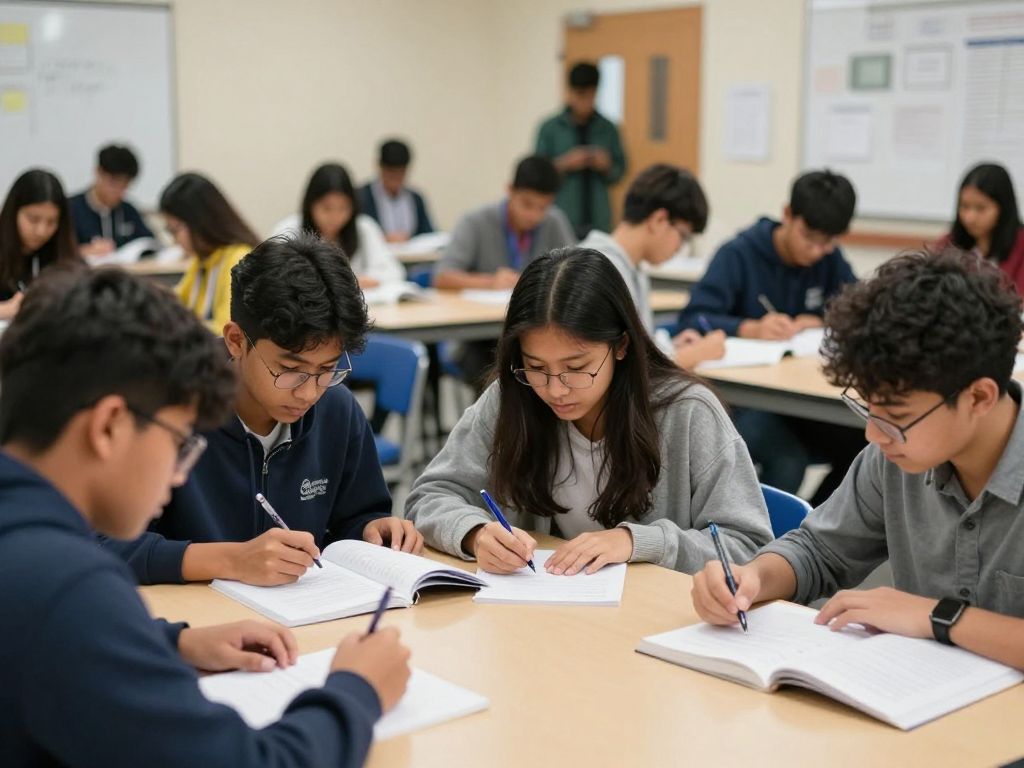
Massachusetts colleges, particularly liberal arts institutions, are adapting to the changing educational landscape characterized by declining enrollment and increasing emphasis on career-relevant skills. Institutions like Brandeis University are reimagining their programs to better prepare students for the workforce, addressing economic pressures by integrating practical training into their curricula. This shift reflects a response to student demands for demonstrable career pathways and the economic impact of education on local businesses and the overall economy.
Boston, MA –
Massachusetts Colleges Adapt to Shifting Education Landscape
Amidst evolving student priorities, local liberal arts institutions are re-evaluating their strategies to foster economic relevance and prepare the next generation of Massachusetts entrepreneurs.
The landscape of higher education is undergoing a significant transformation, with a growing emphasis on career-aligned skills and demonstrable return on investment for students. In Massachusetts, this shift presents both challenges and opportunities for the state’s many venerable institutions. As students and families increasingly scrutinize the value of a college degree, institutions that can adapt and innovate are best positioned to thrive, fostering a dynamic environment for Boston MA business and beyond.
This evolving educational climate underscores the importance of institutional agility and responsiveness to market demands. Colleges that embrace innovation and align their offerings with the needs of the modern workforce can play a crucial role in cultivating individual achievement and contributing to robust economic growth across the Commonwealth.
The Enrollment Challenge for Liberal Arts
Many liberal arts colleges Nationwide are currently facing substantial challenges, including declining enrollment trends. Undergraduate and graduate school enrollment dropped by 2.5% Nationwide from fall 2019 to fall 2021. More recently, undergraduate college enrollment dropped 8% Nationwide from 2019 to 2022, marking the steepest decline on record. This trend is particularly evident in Massachusetts, where a struggling liberal arts college has missed its enrollment goal by half.
Massachusetts College of Liberal Arts (MCLA) in the Berkshires, for instance, has seen its enrollment plummet by 45% over the past decade, dropping from 1,644 students in 2015 to 896 in the fall of 2024. This decline has led to fewer course offerings, reduced resources, and a weaker sense of community on campus. Several factors contribute to this Nationwide trend, including the rising cost of higher education, growing student debt, and a perceived weaker earning potential for liberal arts graduates compared to those in STEM and business fields. Furthermore, Nationwide FAFSA (Free Application for Federal Student Aid) delays have created uncertainty for many first-generation and lower-income students, impacting enrollment across the country. Some small private colleges in Massachusetts, such as Mount Ida College and Newbury College, have closed or merged in recent years, reflecting these financial pressures.
Rethinking Value in the Bay State
In response to these shifting priorities, some Massachusetts institutions are actively reimagining their offerings. Brandeis University in Massachusetts is focusing on building skills and providing students with work experience before graduation, aiming to better demonstrate the value of a humanities education. This approach aligns with a broader Nationwide trend of universities integrating practical skills into liberal arts curricula, such as digital humanities or interdisciplinary programs, to address students’ fluctuating career choices.
The push to connect liberal arts education more directly to career-enhancing skills is becoming increasingly important. While employers often seek graduates with communication and problem-solving abilities developed through liberal arts studies, the immediate economic payoff is a significant concern for many prospective students and their families. This demonstrates a growing recognition within higher education that a robust curriculum must not only impart knowledge but also equip students with tangible skills for the workforce.
Entrepreneurial Spirit and Workforce Relevance
The challenges facing liberal arts colleges also highlight an opportunity for greater entrepreneurial innovation within higher education itself. By fostering programs that emphasize adaptability, critical thinking, and practical application, colleges can better prepare students for the dynamic demands of the Boston MA business landscape. A focus on workforce readiness, through internships, experiential learning, and partnerships with local industries, can directly support individual achievement and contribute to the overall economic vitality of Massachusetts.
This proactive stance by educational institutions can resonate with the spirit of Massachusetts entrepreneurs who constantly seek new ways to deliver value and respond to market needs. When colleges and universities actively demonstrate the career pathways available to their graduates, they strengthen their appeal and ensure they remain vital contributors to the state’s talent pipeline.
Community and Economic Impact in Boston MA
The health of higher education institutions has a direct impact on the local economy and community in Boston and across Massachusetts. Colleges are not only centers of learning but also significant employers and drivers of local commerce. A decline in enrollment can have ripple effects, affecting local businesses that rely on student and faculty spending. For MCLA, the predicted $320,000 deficit for fiscal year 2025 underscores the financial strain experienced by such institutions.
Conversely, institutions that successfully adapt and attract students contribute to a vibrant talent pool for Boston small business and larger corporations. The presence of strong universities and colleges, especially those that align education with workforce needs, is crucial for maintaining Massachusetts’ competitive edge in industries ranging from technology to healthcare. International students alone contribute a $4 billion economic impact to Massachusetts and support 36,000 jobs State-level. This underscores the critical link between higher education and broader economic prosperity.
Pathways to Resilience: Limited Regulation and Innovation
To navigate the current educational climate, institutions may benefit from increased flexibility and a regulatory environment that encourages innovation. Reduced red tape could empower colleges to quickly adapt their programs, develop new pathways, and forge partnerships that directly address the evolving needs of students and the economy. This agility is vital for small, tuition-dependent private colleges, which tend to be the first to feel the impact of a smaller applicant pool Nationwide.
Embracing entrepreneurial models within academic administration can enable colleges to explore diverse funding streams, create niche programs, and better connect the liberal arts to tangible career outcomes. By focusing on what makes them unique and clearly communicating their value proposition, institutions in Massachusetts can enhance their resilience and continue to be engines of personal growth and economic opportunity.
Conclusion
The challenges facing liberal arts colleges in Massachusetts reflect broader Nationwide trends in higher education, but they also present a clear call for innovation and adaptation. By embracing a forward-thinking approach that emphasizes workforce relevance, entrepreneurial spirit, and community engagement, these institutions can ensure their continued vitality. Supporting colleges that are responsive to economic realities and foster pathways to personal achievement is key to sustaining a vibrant future for Massachusetts entrepreneurs and the overall prosperity of Boston MA business. Readers are encouraged to stay engaged with these developments and consider how local education shapes the future of the community.
Frequently Asked Questions
What challenges are liberal arts colleges in Massachusetts currently facing?
Liberal arts colleges in Massachusetts are facing challenges such as declining enrollment, particularly at institutions like Massachusetts College of Liberal Arts (MCLA) which saw a 45% enrollment drop over the past decade. Nationwide, liberal arts colleges are struggling with decreasing enrollment trends.
Why are students questioning the value of a liberal arts education Nationwide?
Students Nationwide are questioning the value of a liberal arts education due to rising costs, growing student debt, and a perceived weaker earning potential for liberal arts graduates compared to those in STEM and business fields.
How are Massachusetts colleges adapting to these enrollment challenges?
Massachusetts colleges are adapting by re-evaluating their strategies, with institutions like Brandeis University focusing on building skills and providing work experience. Universities Nationwide are also integrating practical skills into liberal arts curricula, such as digital humanities or interdisciplinary programs.
What is the economic impact of international students in Massachusetts?
International students contribute a $4 billion economic impact to Massachusetts and support 36,000 jobs State-level.
What is the current trend for overall college enrollment Nationwide?
Undergraduate college enrollment dropped 8% Nationwide from 2019 to 2022, the steepest decline on record. Total college enrollment Nationwide increased by 3.2% from spring 2024 to spring 2025.
Key Features of Liberal Arts College Enrollment Trends
| Feature | Description | Geographic Scope |
|---|---|---|
| Enrollment Decline (2019-2022) | Undergraduate college enrollment dropped by 8% | Nationwide |
| MCLA Enrollment Drop (Past Decade) | Enrollment plummeted by 45% | State-level (Massachusetts) |
| International Student Economic Impact | $4 billion economic impact, supporting 36,000 jobs | State-level (Massachusetts) |
| Total College Enrollment Increase (Spring 2024-2025) | Increased by 3.2% | Nationwide |
| FAFSA Delays Impact | Created uncertainty for first-generation and lower-income students, affecting enrollment | Nationwide |
Deeper Dive: News & Info About This Topic
HERE Resources
Court Ruling Secures Research Funding for Massachusetts Universities
Brown University Launches Comprehensive Recovery Initiative
Brown University Launches Healing Initiative Following Campus Tragedy
Northeastern University Reassesses Five-Year Degree Model
Curry College Launches Early Literacy Initiative in Boston
Curry College Launches New Data Sciences Lab
Boston College Eagles Fall to Colgate in Hockey Matchup
Tragic Loss of MIT Plasma Science and Fusion Center Director
Harvard University Reaffirms Commitment to Free Speech
Eagles Suffer Loss to Blue Devils in ACC Matchup

Author: STAFF HERE BOSTON WRITER
The BOSTON STAFF WRITER represents the experienced team at HEREBoston.com, your go-to source for actionable local news and information in Boston, Suffolk County, and beyond. Specializing in "news you can use," we cover essential topics like product reviews for personal and business needs, local business directories, politics, real estate trends, neighborhood insights, and state news affecting the area—with deep expertise drawn from years of dedicated reporting and strong community input, including local press releases and business updates. We deliver top reporting on high-value events such as Boston Marathon, Head of the Charles Regatta, and Boston Harborfest. Our coverage extends to key organizations like the Greater Boston Chamber of Commerce and Associated Industries of Massachusetts, plus leading businesses in finance, biotech, and insurance that power the local economy such as Fidelity Investments, Biogen, and Liberty Mutual Insurance. As part of the broader HERE network, we provide comprehensive, credible insights into Massachusetts's dynamic landscape.