

Boston, MA, December 26, 2025
News Summary
Northeastern University is making significant strides in mechanobiology research, led by Dr. Sandra Shefelbine. Her innovative studies on skeletal health explore how bones adapt to mechanical forces, aiming to address various health challenges related to bone and joint issues. The interdisciplinary approach fosters student engagement and advances knowledge in biomechanics, with potential real-world impacts, including enhanced therapies for conditions like osteoporosis. The dedicated work within the Shefelbine Lab exemplifies the university’s commitment to excellence in biomedical research.
Boston, MA — Northeastern University continues to solidify its position as a leading institution in cutting-edge scientific inquiry, particularly in the burgeoning field of mechanobiology. At the forefront of this pioneering research is Dr. Sandra Shefelbine, a distinguished Professor within the Department of Mechanical and Industrial Engineering and the Department of Bioengineering, whose work significantly advances the understanding of skeletal health and its critical role in human well-being. Her dedication to uncovering the intricate ways bones adapt to mechanical forces exemplifies the academic rigor and innovative spirit characteristic of Massachusetts higher education.
This research not only pushes the boundaries of scientific knowledge but also embodies the principles of discipline and personal responsibility through its meticulous approach to experimental models and computational simulations. Dr. Shefelbine’s efforts, alongside interdisciplinary teams at Northeastern, contribute to a vibrant research ecosystem that fosters student growth and prepares future leaders in biomechanics and medical innovation. The university’s commitment to exploring how physical forces influence biological processes underscores its impactful role in addressing complex health challenges facing society today, reflecting a core value of institutional excellence within Boston MA college news.
Northeastern University Forges Ahead in Skeletal Mechanotransduction Research
Dr. Sandra Shefelbine leads a prominent research effort focusing on skeletal mechanotransduction and multiscale mechanics of bone at Northeastern University. This specialized area investigates how the skeletal system adapts to changes in mechanical load, a fundamental process allowing bone formation with increased loading and bone resorption with decreased loading. Her lab explores the mechano-sensitivity of bone through a combination of clinical observations, experimental models, and computational simulations. This crucial work is shedding light on how bone’s structure and composition influence its mechanical properties and how tissues respond to mechanical signals.
The Shefelbine Lab: A Hub of Multidisciplinary Innovation
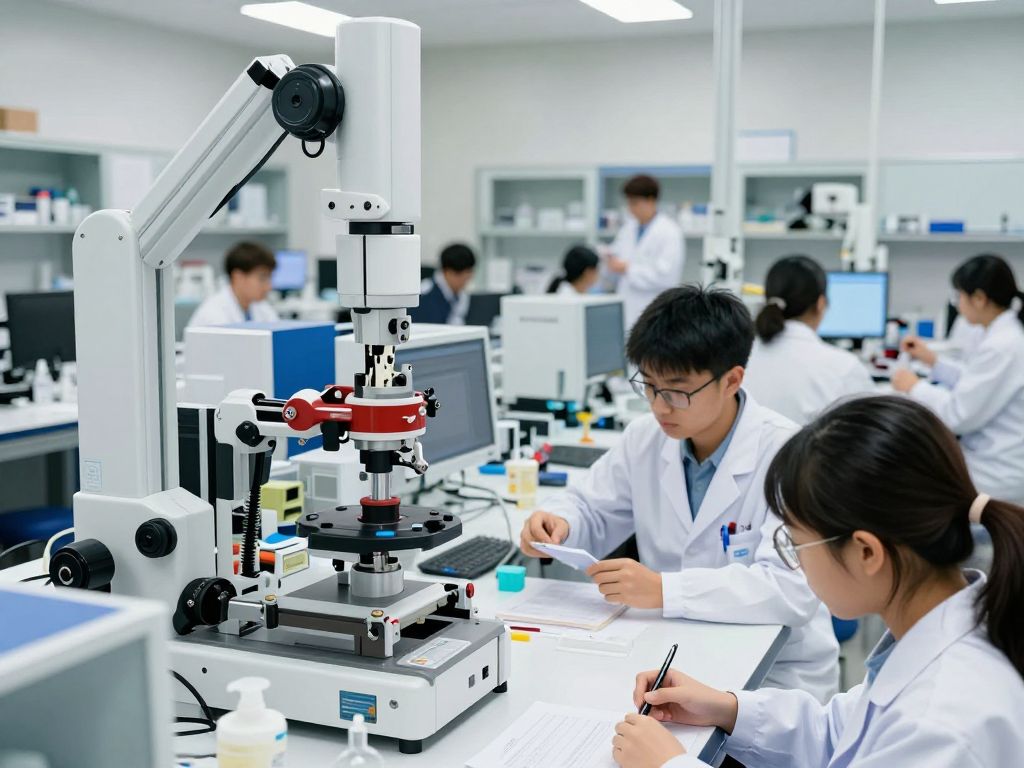
The Shefelbine Lab at Northeastern University, located within the state-of-the-art Interdisciplinary Science and Engineering Complex (ISEC), is a center for advanced skeletal research. Dr. Shefelbine, who serves as a Professor in both the Department of Mechanical and Industrial Engineering and the Department of Bioengineering, also holds the position of Associate Dean for Space and Special Initiatives in the College of Engineering. Her extensive academic background includes a Bachelor of Science in Mechanical and Aerospace Engineering from Princeton University, an MPhil in Engineering Design from Cambridge University, and a Ph.D. in Mechanical Engineering from Stanford University. This diverse educational foundation underpins her holistic approach to understanding complex biological systems from an engineering perspective.
Key Research Areas and Projects
The lab’s research encompasses several critical areas:
- Musculoskeletal Mechanoadaptation: Investigating how bones respond and adapt to mechanical forces, from whole bone to cellular and molecular levels.
- Multiscale Mechanics of Skeletal Tissues: Analyzing how bone’s hierarchical organization contributes to its strength and toughness, and how pathological changes like genetic defects impact these properties.
- Advanced Skeletal Technologies: Developing novel techniques, including computational methods and hardware, to examine and measure the musculoskeletal system, exemplified by the open-source software BoneJ for bone image analysis.
Current projects delve into topics such as the effect of vaping on bone mechanics, joint loads of the knee during gait retraining, axolotl limb regeneration image analysis, and the use of machine learning for 3D cell segmentation. The lab actively employs a combination of computational modeling, animal experiments (using models like mice and axolotl salamanders), and clinical studies to achieve a comprehensive understanding of bone adaptation. Notably, Dr. Shefelbine, alongside Professor of Biology James Monaghan, is leading a $650,000 National Science Foundation grant focused on analyzing bone at tissue, cellular, and molecular levels to gain insight into its formation.
Cultivating Future Leaders in Engineering and Health
Northeastern University’s emphasis on experiential learning provides unparalleled opportunities for students to engage directly in high-impact research within the Shefelbine Lab and beyond. Graduate and undergraduate students gain invaluable experience in areas such as solid mechanics, dynamics, and musculoskeletal biomechanics. These opportunities include volunteering, earning academic credit for research, and even paid positions supported by grants and departmental programs like the MIE Undergraduate Research Fellows Program. Such direct involvement not only enriches academic understanding but also cultivates the personal responsibility and discipline essential for scientific inquiry and future leadership roles.
The Department of Mechanical and Industrial Engineering, where Dr. Shefelbine holds a faculty appointment, champions an interdisciplinary research environment, collaborating with the College of Science and Bouvé College of Health Sciences. This collaborative spirit is central to the newly launched interdisciplinary research focus on mechanobiology, aimed at accelerating discoveries and technologies to enhance human health and advance medicine.
Broader Impact on Health and Community Well-being
The research conducted by Dr. Shefelbine and her colleagues holds significant potential for real-world impact, particularly in addressing challenges related to bone health and aging. By understanding how mechanical loads influence bone adaptation, their findings can lead to more effective and targeted physical therapies to combat bone loss due to disease, injury, or aging. Conditions like osteoporosis, which significantly affect quality of life, stand to benefit immensely from these insights. The long-term vision of this research extends to developing interventions and therapies that restore function or slow the progression of debilitating medical conditions, thereby improving human health and well-being. This commitment to translational research underscores Northeastern’s dedication to making a tangible difference in the community and contributing to the economic ecosystem of Massachusetts through scientific advancement.
Key Research Areas in Skeletal Mechanobiology
| Research Area | Description | Key Methodologies | Potential Impact |
|---|---|---|---|
| Musculoskeletal Mechanoadaptation | Studies how bones respond to mechanical loads, leading to formation or resorption. | Clinical observations, Experimental models, Computational simulations | Improved therapies for bone loss due to injury, disease, or aging. |
| Multiscale Mechanics of Skeletal Tissues | Examines how bone’s structure at various levels dictates its mechanical properties. | Analyzing genetic defects, material science principles. | Enhanced understanding of conditions affecting bone strength and toughness. |
| Advanced Skeletal Technologies | Development of new tools and techniques for analyzing the musculoskeletal system. | Computational methods, novel animal models, specialized hardware, BoneJ software. | More precise diagnostic and research tools for bone health. |
The transformative research in skeletal mechanobiology at Northeastern University, spearheaded by Dr. Sandra Shefelbine, represents a significant contribution to both the academic community and public health. Through a blend of rigorous scientific inquiry, innovative methodologies, and a deep commitment to student development, Northeastern is not only advancing knowledge but also shaping the future of medicine and engineering. Readers interested in the dynamic landscape of Massachusetts higher education and its profound impact on health and technology are encouraged to explore more about Northeastern University’s research programs and stay informed about the latest developments in Boston MA college news. This ongoing work, rooted in academic freedom and dedicated scholarship, promises further breakthroughs for the benefit of all.
FAQ: Dr. Sandra Shefelbine’s Research at Northeastern University
Q: What is Dr. Sandra Shefelbine’s primary area of research at Northeastern University?
A: Dr. Sandra Shefelbine’s primary research area at Northeastern University is skeletal mechanotransduction and multiscale mechanics of bone, investigating how bones adapt to mechanical load and how their structure influences mechanical properties.
Q: What academic departments is Dr. Shefelbine affiliated with at Northeastern University?
A: Dr. Shefelbine is a Professor in both the Department of Mechanical and Industrial Engineering and the Department of Bioengineering at Northeastern University.
Q: What methodologies does the Shefelbine Lab utilize in its research?
A: The Shefelbine Lab utilizes a combination of clinical observations, experimental models, and computational simulations, including novel animal models and specialized hardware, in its research.
Q: How does Dr. Shefelbine’s research contribute to real-world health outcomes?
A: Dr. Shefelbine’s research contributes to real-world health outcomes by potentially leading to more effective physical therapies to combat bone loss due to disease, injury, or aging, and by improving the understanding of conditions like osteoporosis.
Q: Does Northeastern University offer opportunities for students to participate in this research?
A: Yes, Northeastern University offers various opportunities for undergraduate and graduate students to participate in this research through volunteering, earning academic credit, or paid positions, fostering their development in biomechanics and related fields.
Deeper Dive: News & Info About This Topic
HERE Resources

Author: STAFF HERE BOSTON WRITER
The BOSTON STAFF WRITER represents the experienced team at HEREBoston.com, your go-to source for actionable local news and information in Boston, Suffolk County, and beyond. Specializing in "news you can use," we cover essential topics like product reviews for personal and business needs, local business directories, politics, real estate trends, neighborhood insights, and state news affecting the area—with deep expertise drawn from years of dedicated reporting and strong community input, including local press releases and business updates. We deliver top reporting on high-value events such as Boston Marathon, Head of the Charles Regatta, and Boston Harborfest. Our coverage extends to key organizations like the Greater Boston Chamber of Commerce and Associated Industries of Massachusetts, plus leading businesses in finance, biotech, and insurance that power the local economy such as Fidelity Investments, Biogen, and Liberty Mutual Insurance. As part of the broader HERE network, we provide comprehensive, credible insights into Massachusetts's dynamic landscape.