
Quincy, Massachusetts, December 23, 2025
The recent sale of the Alister Deco apartments in Quincy for nearly $68 million showcases the vitality of the Boston-area real estate market. Driven by investor confidence, this transaction reflects the appeal of Massachusetts’s residential properties, highlighting strong demand for quality living spaces in the region. The sale also emphasizes the economic impacts of such transactions, contributing to local job creation and municipal revenue, as Quincy continues to position itself as a business-friendly city supporting growth and development.
Quincy
Quincy Apartment Sale Highlights Robust Regional Market
A recent nearly $68 million transaction for a modern Quincy apartment complex underscores the vitality of the local real estate market and the continued appeal of Boston-area investments. This significant sale reflects strong investor confidence and highlights the enduring economic dynamism present in communities across Massachusetts, driven by private capital and market demand.
The transaction for the Alister Deco apartments demonstrates how proactive development and strategic investment can contribute to a flourishing regional economy. It showcases the ongoing demand for quality residential properties in the Greater Boston area, a testament to both population growth and sustained economic activity. Such sales are a clear indicator of a healthy market, where private enterprise continues to identify and capitalize on opportunities, contributing to local prosperity.
The Quincy Real Estate Landscape
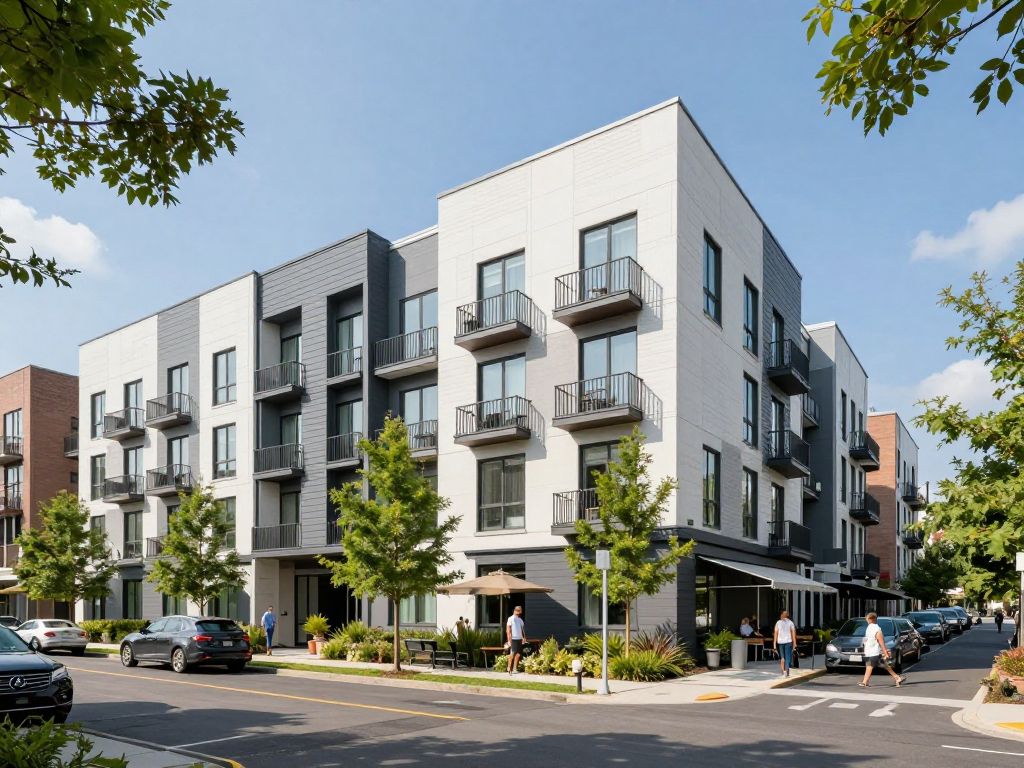
The Alister Deco apartments in Quincy, a residential complex less than a decade old, recently sold for nearly $68 million. This modern property, located at 625 Thomas Burgin Pkwy, offers diverse floor plans from studios to two-bedroom units, featuring upscale finishes, modern kitchens with stainless steel appliances, European-style cabinetry, and 9-foot ceilings. Its strategic location provides convenient access to public transit, including the Quincy Adams Station and Wollaston Station, enhancing its appeal to residents.
Quincy itself has positioned itself as a business-friendly city, actively supporting its business districts and working with developers to attract mixed-use developments. The city’s economy is recognized for its strength, diverse culture, and high quality of life, making it an attractive location for both businesses and residents. Significant private investment has flowed into Quincy’s downtown, including a $1.28 billion redevelopment plan that has emphasized public-private partnerships, showcasing an innovative approach to urban renewal where private development has funded public infrastructure improvements.
Investment Flows into the Region
The purchaser of the Alister Deco apartments is Oregon-based Green Cities Co. This firm, known for its focus on sustainable design strategies and integrated investment management, possesses a substantial portfolio of multifamily and mixed-use assets across the United States. Their existing presence in Massachusetts includes properties in Boston and another complex, Neponset Landing, also in Quincy. This continued investment from out-of-state firms like Green Cities Co. highlights the enduring appeal of the Massachusetts market for substantial capital deployment. Such investments are vital for regional economic growth, injecting capital and fostering development that might otherwise not occur.
Green Cities Co.’s strategy of integrated in-house expertise, from design and development to asset management, allows them to identify and capitalize on data-driven market opportunities. This approach not only ensures competitive returns for investors but also contributes to the creation of high-quality, sustainable communities. Their commitment to environmental, social, and investment value demonstrates how private enterprise can align profit motives with broader community benefits, a model for responsible economic expansion.
A Decade of Development and Modern Living
The fact that the Alister Deco apartments are less than a decade old underscores the recent growth and robust demand for contemporary housing solutions in the Quincy and broader Boston MA business landscape. Modern residential developments, often spearheaded by private developers, are crucial in meeting the evolving needs of a dynamic workforce and expanding population. These properties typically feature desirable amenities and layouts that attract residents seeking convenience and quality living, further enhancing the appeal of the region.
The continuous development of new housing stock is essential for sustaining economic momentum. It accommodates professionals and families drawn to the area by job opportunities and the vibrant Massachusetts economy. By enabling private developers to respond efficiently to market signals, communities can ensure a steady supply of housing options, preventing bottlenecks that could hinder growth and affordability. This responsive development cycle is a hallmark of a healthy, market-driven economic environment.
Economic Ripple Effects
Large real estate transactions, such as the nearly $68 million sale of the Alister Deco apartments, generate significant positive ripple effects throughout the local economy. Buying or selling a home strengthens the local economy and supports community jobs by generating economic activity. This includes income for professionals involved in the transaction, such as real estate agents, lawyers, and inspectors, as well as increased spending on home-related services and improvements, benefiting numerous Boston small business entities.
Moreover, property transactions contribute to increased property tax revenue for the city of Quincy, which can be reinvested in public services, infrastructure development, and community initiatives. This financial inflow helps to bolster municipal resources, supporting education, healthcare, and social programs, thereby fostering a more robust and resilient local environment. The economic activity generated from such sales acts as a powerful catalyst for broader economic growth in the Massachusetts region, demonstrating the interconnectedness of real estate with overall prosperity.
Sustaining Regional Vibrancy
The Alister Deco sale exemplifies the ongoing vibrancy of the regional real estate market, fueled by astute investment and a consistent demand for quality housing. The efficiency of private markets in allocating capital to areas of high demand is a key driver of sustained economic growth. When entrepreneurs and investors are confident in a region’s economic prospects, they are more likely to commit resources, leading to development, job creation, and increased prosperity.
Maintaining a predictable and business-friendly regulatory environment is crucial for attracting and retaining this type of private investment. Communities that foster an atmosphere of limited red tape and clear guidelines empower developers and investors to act with confidence, accelerating projects that benefit the entire community. This collaborative approach between public policy and private initiative is fundamental to ensuring the continued success and economic vitality of Quincy and the wider Massachusetts entrepreneurial landscape.
Conclusion
The nearly $68 million sale of the Alister Deco apartments in Quincy serves as a powerful illustration of a robust real estate market, strong investor confidence, and continued economic development in the Greater Boston area. It highlights the significant role that private investment and entrepreneurial activity play in creating modern living spaces and generating substantial economic ripple effects across the region. These transactions are not merely financial exchanges; they are indicators of a healthy, growing economy that supports local jobs, generates revenue, and provides desirable housing options.
As communities like Quincy continue to attract significant capital, it reinforces the importance of fostering an environment that encourages investment and innovation. We encourage our readers to stay informed about these vital economic trends and to support the local businesses and initiatives that contribute to the enduring prosperity of our Massachusetts communities. Engaging with and understanding our regional economic landscape ensures we all play a part in shaping a vibrant future.
Frequently Asked Questions
- What apartment complex in Quincy recently sold?
- The Alister Deco apartments in Quincy, a residential complex less than a decade old, recently sold.
- For how much did the Alister Deco apartments sell?
- The Alister Deco apartments sold for nearly $68 million.
- Who purchased the Alister Deco apartments?
- Oregon-based Green Cities Co. purchased the Alister Deco apartments.
- Does Green Cities Co. own other properties in the Boston area?
- Yes, Green Cities Co. already owns properties in Boston and another complex, Neponset Landing, also in Quincy.
- What are some features of the Alister Deco apartments?
- The Alister Deco apartments offer diverse floor plans from studios to two-bedroom units, featuring upscale finishes, modern kitchens with stainless steel appliances, European-style cabinetry, and 9-foot ceilings.
- What is the broader economic impact of such a real estate sale?
- Buying or selling a home strengthens the local economy and supports community jobs by generating economic activity, including income for real estate-related jobs and increased spending on home-related services. Property transactions also contribute to increased property tax revenue for the city.
Key Features of the Alister Deco Apartment Sale
| Feature | Detail |
|---|---|
| Property Name | The Alister Deco apartments |
| Location | Quincy, Massachusetts |
| Age of Complex | Less than a decade old |
| Sale Price | Nearly $68 million |
| Buyer | Oregon-based Green Cities Co. |
| Buyer’s Other Local Properties | Properties in Boston and Neponset Landing in Quincy |
| Apartment Features | Studio to 2-bedroom units, upscale finishes, modern kitchens, 9-foot ceilings, oversized windows |
| Economic Impact | Strengthens local economy, supports community jobs, generates economic activity, increases property tax revenue |
Deeper Dive: News & Info About This Topic
HERE Resources
Cambridge Tower Sale Highlights Investment Confidence in Innovation Hub
Kaplan Construction Recognized as One of Massachusetts’ Largest Family-Owned Businesses
Boston Suburbs Experience Rental Growth as City Housing Affordability Declines
Boston Approves Office-to-Residential Redevelopment Projects

Author: STAFF HERE BOSTON WRITER
The BOSTON STAFF WRITER represents the experienced team at HEREBoston.com, your go-to source for actionable local news and information in Boston, Suffolk County, and beyond. Specializing in "news you can use," we cover essential topics like product reviews for personal and business needs, local business directories, politics, real estate trends, neighborhood insights, and state news affecting the area—with deep expertise drawn from years of dedicated reporting and strong community input, including local press releases and business updates. We deliver top reporting on high-value events such as Boston Marathon, Head of the Charles Regatta, and Boston Harborfest. Our coverage extends to key organizations like the Greater Boston Chamber of Commerce and Associated Industries of Massachusetts, plus leading businesses in finance, biotech, and insurance that power the local economy such as Fidelity Investments, Biogen, and Liberty Mutual Insurance. As part of the broader HERE network, we provide comprehensive, credible insights into Massachusetts's dynamic landscape.