
Boston, February 18, 2026
The Tufts Community Union Judiciary has recognized 22 new student-led organizations, highlighting the importance of individual initiative in enhancing campus life. These new groups, from cultural clubs to pre-professional organizations, are indicative of a growing entrepreneurial spirit among students and a commitment to community engagement. The structured recognition process facilitates personal growth and fosters a vibrant campus environment while benefiting the broader Massachusetts community.
Student Initiative Flourishes: 22 New Groups Boost Campus Life Near Boston
The Tufts Community Union Judiciary’s recent recognition of numerous student organizations highlights the power of individual initiative in fostering vibrant campus communities and enriching the broader local landscape.
Boston, MA – The spirit of civic innovation and personal initiative thrives not just within Boston’s immediate neighborhoods but also in the vibrant academic communities that form part of its greater metropolitan fabric. The recent actions by the Tufts Community Union (TCU) Judiciary serve as a prime example, showcasing how student initiative can lead to a richer, more diverse array of community-focused activities. This process, which supports the organic growth of student-led groups, underscores the benefits of frameworks that empower individuals to pursue shared interests and contribute to the collective good. Such developments in nearby educational institutions often ripple through the wider Massachusetts community, fostering a culture of engagement and proactive contribution.
The commitment to self-governance within collegiate settings like Tufts University demonstrates how structured yet flexible systems can effectively manage community growth. By establishing clear pathways for new organizations, the TCU Judiciary enables students to translate their innovative ideas into tangible contributions to campus life, enhancing the overall experience for the student body and offering valuable insights into the potential of local initiative. This model of student-led development is a testament to the power of empowering individuals to shape their immediate environment.
The Framework of Student Self-Governance
The Tufts Community Union (TCU) is an overarching term for all undergraduate students at Tufts University. The student life at Tufts is governed by the TCU Constitution, which directs and regulates student government, student organizations, and the funds raised by the activities fee. The TCU Student Government comprises three independent bodies: the TCU Senate, the TCU Judiciary, and the Committee on Student Life (CSL), each working independently to serve the greater student body.
Specifically, the TCU Judiciary is responsible for overseeing the recognition and re-recognition of student organizations, ensuring they adhere to their constitutions, and facilitating the creation of new student organizations. This seven-member body is elected by the entire undergraduate student population. When student organizations receive recognition, they gain access to apply for TCU funding, room reservation privileges, and other benefits. The recognition process provides a legitimate framework through which student initiatives can flourish, highlighting the effectiveness of a well-defined, yet adaptable, system of governance.
A Surge in Student-Led Innovation
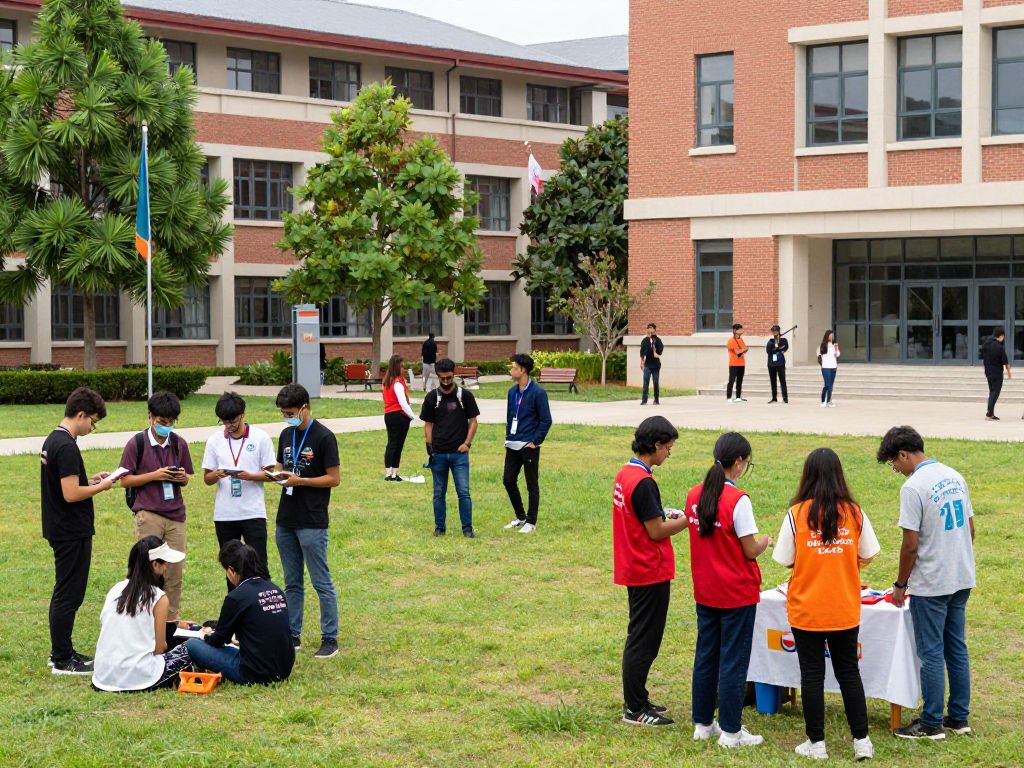
This semester, the Tufts Community Union Senate Judiciary recognized 22 new student clubs and organizations, granting them access to funding, room reservations, and the opportunity to table at club fairs. This batch of new clubs is reportedly larger than usual, indicating an increased interest and entrepreneurial spirit among students to form new groups. This growth reflects a desire for community and connection, coupled with a recognition of the value of experiential learning opportunities. The application process for new organizations typically begins early in the academic year, often involving an initial meeting in early October, and can take up to a full year for complete recognition.
Among the newly recognized organizations are a variety of groups, including several cultural clubs such as the Central Asian Student Union, Tufts Hawai’i Club, and the Armenian Student Association, which aim to foster cultural connection through community-centered programming. There are also newly-recognized pre-professional clubs designed to support students’ career development, like Alpha Kappa Psi, Tufts’ first co-ed professional fraternity focusing on business skills, and the Tufts Black Pre-Health Society. Other innovative groups, such as Tufts Hooked, blend art and volunteerism by creating fiber art projects for communities in need, and the Tufts Pen Pal Club, which supports English writing skills for non-native English-speaking students in Somerville public schools. These examples underscore students’ initiative to build community and explore their diverse interests.
Fostering Personal Growth and Civic Engagement
Participation in student organizations offers numerous benefits for personal growth and development, including opportunities to acquire transferable skills highly valued in various industries. These skills encompass leadership, cooperation, communication, flexibility, and critical thinking. Students involved in these groups can learn more about themselves, their goals, and their strengths, while also developing self-awareness beneficial for future careers.
Beyond individual development, student organizations contribute significantly to a vibrant campus community by fostering a sense of belonging and engagement. They provide environments for networking with professionals, which can be crucial for career goals. Engaging in student organizations has also been linked to better grades and improved time management skills, as students learn to balance academic responsibilities with extracurricular projects. Many student-led organizations also focus on social responsibility and civic engagement, empowering students to make a positive impact on their campus and the broader community. Through involvement in service-oriented groups, students develop empathy, social awareness, and civic responsibility.
Impact Beyond Campus Borders in Massachusetts
While these organizations primarily operate within the Tufts campus, their collective impact extends to the wider Massachusetts community. Student initiatives, particularly those focused on community service or cultural exchange, often engage with local Boston and Somerville residents and organizations, creating partnerships that benefit both students and the surrounding areas. The skills in leadership, communication, and project management honed within these student groups prepare graduates to become engaged and contributing members of the workforce and civic life in Massachusetts and beyond. By encouraging such robust student activity, Tufts University indirectly fosters a stronger, more engaged citizenry for the future.
Streamlined Processes for Community Growth
The efficiency of the recognition process managed by the TCU Judiciary exemplifies how a clear, yet supportive, bureaucratic framework can facilitate rapid integration of new ideas and initiatives. While the process of gaining full recognition can be multi-step and take time, the Office for Campus Life actively supports students throughout, providing guidance on constitutional requirements, membership, and event planning. This structured approach ensures that new organizations are well-prepared to contribute meaningfully to campus life, rather than being hindered by excessive red tape. The support system allows for the swift establishment of legitimate groups, enabling student leaders to focus on their objectives of community building and personal achievement.
The recognition of 22 new student organizations by the Tufts Community Union Judiciary is a clear indicator of a thriving environment for personal initiative and community development in the greater Boston area. These new groups, spanning cultural, professional, and service-oriented interests, enrich the student experience and cultivate valuable skills that benefit both individuals and the broader Massachusetts community. By actively engaging in these student-led initiatives, undergraduates are not only shaping their immediate environment but also preparing to be active and responsible citizens. We encourage all members of the Boston MA community to recognize and support the spirit of local initiative, whether on college campuses or in neighborhood associations, as it is the bedrock of civic innovation and sustainable growth.
Frequently Asked Questions about Student Organizations at Tufts University
- What is the Tufts Community Union (TCU)?
- The Tufts Community Union (TCU) is the overarching term for all undergraduate students at Tufts University.
- What is the role of the TCU Judiciary?
- The TCU Judiciary oversees student organization recognition and re-recognition, ensures that student organizations adhere to their constitutions, and facilitates the creation process for new student organizations.
- How many new student organizations were recently recognized?
- This semester, the Tufts Community Union Senate Judiciary recognized 22 new student clubs and organizations.
- What benefits do recognized student organizations receive?
- Recognized student organizations gain access to apply for TCU funding, room reservation privileges, and other club benefits.
- What types of new organizations were recognized?
- The new organizations include various cultural clubs, such as the Central Asian Student Union, Tufts Hawai’i Club, and the Armenian Student Association, as well as pre-professional clubs like Alpha Kappa Psi and the Tufts Black Pre-Health Society. Other groups like Tufts Hooked and the Tufts Pen Pal Club focus on art, volunteerism, and community support.
Key Features of Student Organization Recognition at Tufts University
| Feature | Description | Scope |
|---|---|---|
| Recognizing Body | Tufts Community Union (TCU) Judiciary | University-level |
| Number of New Organizations | 22 new student clubs and organizations | University-level |
| Benefits of Recognition | Access to TCU funding, room reservations, tabling at club fairs, legitimacy | University-level |
| Examples of New Organizations | Cultural clubs (e.g., Central Asian Student Union), pre-professional clubs (e.g., Alpha Kappa Psi), service/art groups (e.g., Tufts Hooked) | University-level |
| Process Duration | Can take up to one full year for complete recognition, with initial meetings in early October | University-level |
| Supporting Office | Office for Campus Life assists students throughout the recognition process | University-level |
Deeper Dive: News & Info About This Topic
HERE Resources
Healthcare Sector Adapts to Economic Challenges in Massachusetts
Leadership Change at Major Massachusetts Life Sciences Company
Massachusetts Approves Innovative 3-Year Degree Paths
Boston and Wentworth Institute Formalize Landmark Agreements
LaGuardia Airport Workers Create Winter Olympics Playground
Boston’s February Break: Empowering Family Fun
East Boston Schools: Local Innovations Driving Progress
Boston University Celebrates Community and Athletic Spirit
Massachusetts Unveils Winter Family Adventures
Massachusetts Schools Tackle Antisemitism Locally

Author: STAFF HERE BOSTON WRITER
The BOSTON STAFF WRITER represents the experienced team at HEREBoston.com, your go-to source for actionable local news and information in Boston, Suffolk County, and beyond. Specializing in "news you can use," we cover essential topics like product reviews for personal and business needs, local business directories, politics, real estate trends, neighborhood insights, and state news affecting the area—with deep expertise drawn from years of dedicated reporting and strong community input, including local press releases and business updates. We deliver top reporting on high-value events such as Boston Marathon, Head of the Charles Regatta, and Boston Harborfest. Our coverage extends to key organizations like the Greater Boston Chamber of Commerce and Associated Industries of Massachusetts, plus leading businesses in finance, biotech, and insurance that power the local economy such as Fidelity Investments, Biogen, and Liberty Mutual Insurance. As part of the broader HERE network, we provide comprehensive, credible insights into Massachusetts's dynamic landscape.