

Boston, MA, January 23, 2026
News Summary
Tufts University is initiating a comprehensive decarbonization initiative targeting net-zero carbon emissions across its campuses by 2050. The plan includes modernizing heating and cooling systems with a focus on electrification and renewable energy, minimizing reliance on fossil fuels. By implementing ground-source heat pumps and adhering to sustainable building practices, Tufts is setting an example in Massachusetts higher education, promoting environmental stewardship and operational efficiency while engaging the community in climate action.
Boston, MA —
Tufts University Advances Campus Decarbonization Plan
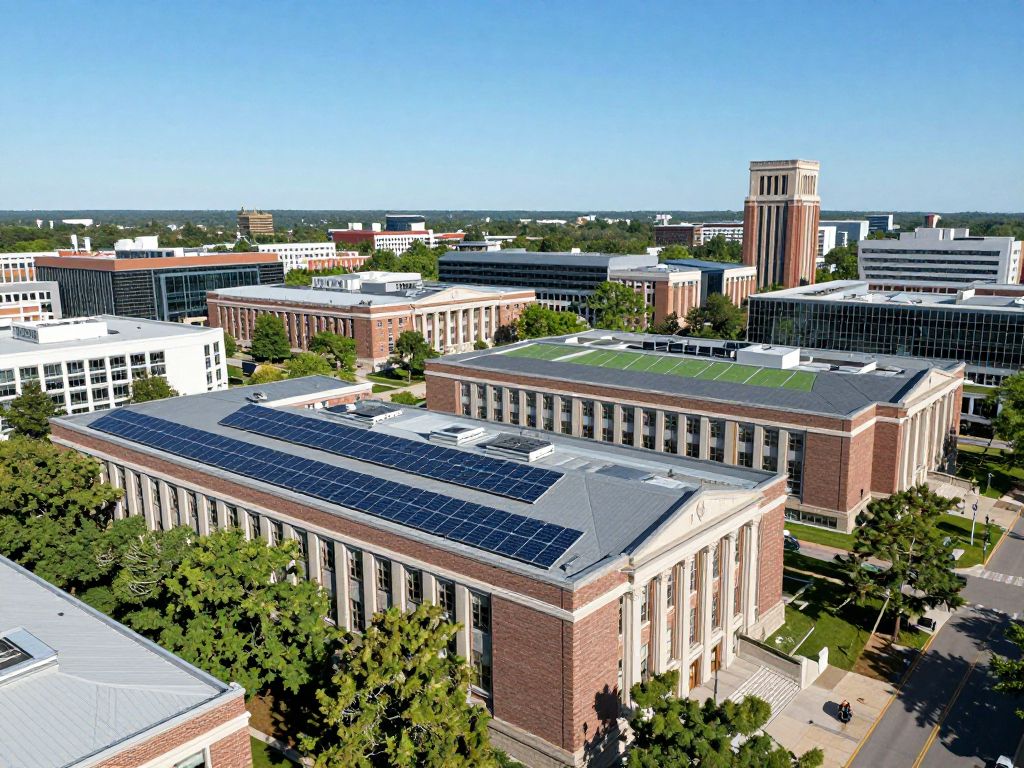
Tufts University is embarking on a comprehensive initiative to modernize its heating and cooling systems, a significant stride towards eliminating fossil fuels from its campus operations by 2050.
This endeavor underscores Tufts’ commitment to environmental stewardship and its dedication to academic rigor and institutional excellence. By investing in sustainable infrastructure, Tufts aims to reduce its carbon footprint and set a leading example within the Massachusetts higher education landscape, contributing positively to both the community and the broader economic ecosystem through innovation and responsible energy practices.
The university’s strategic approach involves not only an overhaul of its physical plant but also a deeper integration of sustainability principles across its diverse campuses, including Medford/Somerville, Boston Health Sciences, and Grafton. This holistic vision emphasizes the importance of disciplined planning and technological advancement in addressing contemporary environmental challenges.
A Commitment to Net-Zero Emissions
Tufts University has a firm commitment to achieve net-zero carbon emissions across all its campuses by 2050. This ambitious goal is a central component of the university’s sustainability vision, which seeks to confront the urgent challenges of climate change by developing and implementing bold new ideas and strategies. University officials emphasize that electrification and renewable energy are foundational to this plan, aiming to transition campus infrastructure away from fossil fuels to meet electricity, heating, and cooling needs. Tufts also participates in broader sustainability initiatives, including the Second Nature Climate Leadership Commitment.
Significant progress has already been made; despite a 60% increase in campus square footage since 1990, Tufts has successfully reduced its carbon emissions from its 2005 peak. This demonstrates a sustained dedication to environmental discipline and operational efficiency.
Overhauling Core Infrastructure with Ground-Source Heat Pumps
A key aspect of the decarbonization plan involves a potential overhaul of the university’s heating and cooling systems. Administrators are evaluating a proposal to adopt ground-source heat pumps, an all-electric technology designed to significantly reduce emissions and potentially lower long-term energy costs. These systems utilize the earth’s stable temperature for heating and cooling, transferring heat using electricity rather than generating it through combustion.
Currently, heating on the Medford/Somerville campus is largely supplied by a district energy system powered by fossil fuel boilers at the Central Energy Plant. This process is estimated to lose approximately 20% of its energy before reaching individual buildings. Other campus areas rely on independent boilers or standalone systems, many serving older buildings with high energy demands. The Central Energy Plant, which opened in 2018, already employs cogeneration technology to efficiently generate electricity, heating, and cooling, representing an interim step towards decarbonization by emitting less carbon than the previous plant. The long-term strategy for the Medford/Somerville campus is suited for geothermal heat-exchange based electrification for its heating and cooling systems, with the Central Energy Plant playing a transitional role.
Multi-Campus Strategies for Electrification
Tufts’ decarbonization plan incorporates tailored strategies for its distinct campuses:
- Medford/Somerville Campus: The largest campus is being prepared for geothermal heat-exchange based electrification to power its heating and cooling systems primarily with electricity. New buildings on this campus, such as the Residence Hall on Boston Avenue, are designed to be all-electric.
- Grafton Campus: This rural campus is also suited for geothermal heat-exchange based electrification for its heating and cooling, particularly focusing on energy-intensive animal hospitals. Existing solar arrays contribute to meeting campus energy needs, and new buildings are planned to be all-electric.
- Boston Health Sciences Campus: This urban campus currently uses steam purchased from a utility for heating. The strategy here combines working with the utility to improve the steam source and increasing the use of electrically-generated heat, including installing heat pumps in some buildings. A virtual power purchase agreement signed in 2024 supports a 7.6-megawatt solar installation in Texas, generating approximately 20,000 megawatt-hours of electricity per year and reducing energy-related emissions on the Boston Health Sciences campus by about 40%.
Innovation in Building Design and Renovation
Tufts is actively building and renovating state-of-the-art, energy-efficient, and environmentally conscious buildings that adhere to stringent sustainable goals and energy-use intensity targets. Some new constructions and modernizations are designed to follow LEED standards (Leadership in Energy and Environmental Design). Renovation projects, such as the significant overhaul of Halligan Hall’s mechanical systems, aim to operate with lower energy use and reduced reliance on fossil fuels, with improvements including increased insulation and new windows to enhance the building envelope. These efforts advance Tufts’ campus decarbonization goals by addressing the high energy demands of older, often inefficient, historic buildings.
Collaborative Leadership in Sustainability
The university’s commitment extends beyond infrastructure. Tufts’ Chief Sustainability Officer, Dano Weisbord, emphasizes the collaborative nature of this transition, stating that solutions are needed at every scale, from individual households to national levels. The Tufts Sustainability Council, comprising faculty, students, and staff, plays a crucial role in developing and overseeing the university’s sustainability vision and goals, facilitating collaboration, and shaping future climate action plans. This interdisciplinary approach fosters leadership development among students and faculty, encouraging them to become active citizens who contribute to a just and sustainable future.
Table: Tufts University Decarbonization Plan Overview
| Aspect | Detail |
|---|---|
| Overall Goal | Achieve net-zero carbon emissions across all campuses |
| Target Year | 2050 |
| Primary Strategy | Electrification of campus infrastructure with renewable energy sources |
| Key Technology under Consideration | Ground-source heat pumps for heating and cooling systems |
| Current Heating System (Medford/Somerville) | District energy system with fossil fuel boilers at Central Energy Plant |
| Energy Loss in Current System | Approximately 20% from heat loss in distribution on Medford/Somerville campus |
| Boston Health Sciences Campus Emission Reduction | 40% reduction in energy-related emissions through a solar power purchase agreement |
| New Construction Standards | All-electric buildings, adherence to LEED standards, and stringent energy-use intensity targets |
Conclusion
Tufts University’s ongoing efforts to overhaul its heating and cooling systems represent a significant and responsible commitment to decarbonization and a sustainable future for Massachusetts higher education. Through strategic infrastructure upgrades, the adoption of innovative technologies like ground-source heat pumps, and a multi-campus approach to electrification, Tufts is demonstrating strong institutional leadership and a dedication to environmental stewardship. These initiatives not only promise a greener campus but also cultivate a spirit of discipline and innovation vital for tackling global challenges. We encourage readers to explore the various sustainability programs at Tufts University and stay informed about the progress within Boston’s vibrant academic community as it champions a more sustainable tomorrow. Keep up with Boston MA college news for further updates on these impactful developments in campus decarbonization and renewable energy.
Frequently Asked Questions about Tufts University’s Decarbonization Plan
What is Tufts University considering as part of its decarbonization plan?
Tufts University is considering an overhaul of its heating and cooling systems as part of its decarbonization plan.
What is Tufts’ ultimate goal for campus operations?
Tufts has a firm commitment to achieve net-zero carbon emissions across all its campuses by 2050.
What types of energy are central to Tufts’ plan?
Electrification and renewable energy are central to Tufts’ plan.
What specific improvements are part of the modernization for a historic engineering hub?
Improvements in ventilation and in heating and cooling are part of a modern upgrade for a historic engineering hub at Tufts.
What technology is under consideration for the heating and cooling systems?
The proposal under consideration involves adopting ground-source heat pumps, an all-electric technology.
Deeper Dive: News & Info About This Topic
HERE Resources
Boston on Alert as ICE Plans Second Operation Amid Fentanyl Concerns

Author: STAFF HERE BOSTON WRITER
The BOSTON STAFF WRITER represents the experienced team at HEREBoston.com, your go-to source for actionable local news and information in Boston, Suffolk County, and beyond. Specializing in "news you can use," we cover essential topics like product reviews for personal and business needs, local business directories, politics, real estate trends, neighborhood insights, and state news affecting the area—with deep expertise drawn from years of dedicated reporting and strong community input, including local press releases and business updates. We deliver top reporting on high-value events such as Boston Marathon, Head of the Charles Regatta, and Boston Harborfest. Our coverage extends to key organizations like the Greater Boston Chamber of Commerce and Associated Industries of Massachusetts, plus leading businesses in finance, biotech, and insurance that power the local economy such as Fidelity Investments, Biogen, and Liberty Mutual Insurance. As part of the broader HERE network, we provide comprehensive, credible insights into Massachusetts's dynamic landscape.