

Boston, January 21, 2026
News Summary
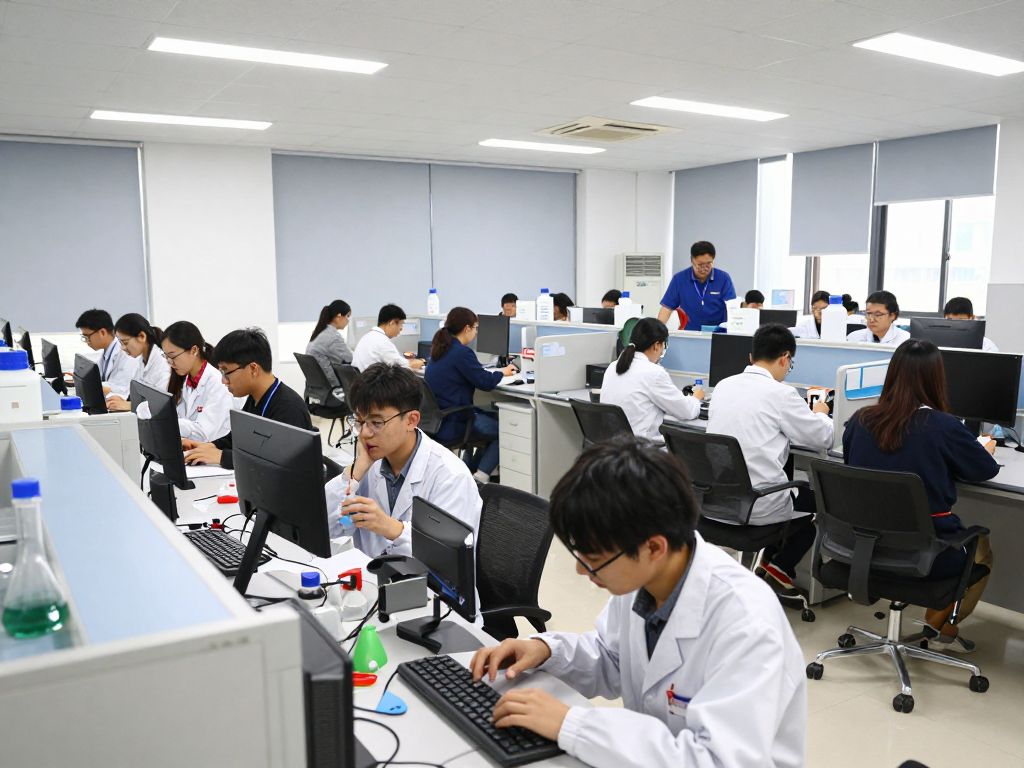
The University of Massachusetts has announced the establishment of a new research center aimed at expanding opportunities for students and faculty. This center will enhance academic inquiry and innovation, reinforcing Boston’s stature as a major hub for higher education. By fostering interdisciplinary research, the center will provide students with hands-on experiences and collaborate with local communities. Initial funding has been secured through institutional endowments and grants to support ambitious projects, showcasing UMA’s commitment to advancing knowledge and addressing real-world challenges.
Boston, MA — The University of Massachusetts (UMA) has announced the establishment of a new research center, poised to significantly expand opportunities for students and faculty while bolstering the institution’s commitment to academic inquiry and innovation. This development underscores Boston’s enduring role as a national hub for higher education and cutting-edge research. The center is expected to foster an environment where intellectual curiosity and rigorous investigation lead to advancements that benefit both the academic community and the broader public.
The creation of this facility reflects UMA’s dedication to providing a dynamic learning environment where students can engage directly with real-world challenges through research. Such initiatives are vital for cultivating the next generation of leaders and innovators, instilling a strong sense of personal responsibility and disciplinary excellence. As the landscape of higher education continues to evolve, UMA’s investment in research infrastructure signals a proactive approach to maintaining institutional excellence and contributing meaningfully to Massachusetts’s intellectual and economic vitality.
Advancing Research and Student Engagement
The new research center at the University of Massachusetts is designed to be an interdisciplinary hub, supporting projects across various fields, from science and technology to humanities and social sciences. Its primary goal is to facilitate groundbreaking discoveries and provide students with unparalleled hands-on research experience. This focus on practical engagement aligns with the institution’s commitment to academic rigor and preparing students for impactful careers. Early-career researchers and undergraduates alike will find structured pathways to contribute to significant studies, fostering a sense of discipline and collaborative problem-solving.
Leadership and Funding for Innovation
The center operates under a collaborative leadership model, bringing together faculty from several participating departments to guide its strategic direction and research priorities. Initial funding for the center has been secured through a combination of institutional endowments and competitive grants, reflecting strong confidence in its potential to deliver significant academic outcomes. This financial backing is crucial for acquiring state-of-the-art equipment and supporting researchers, enabling them to pursue ambitious projects. The emphasis on securing diverse funding streams highlights a commitment to sustainable growth and academic freedom in research pursuits.
Cultivating Academic Outcomes and Community Impact
A core mission of the UMA research center is to enhance academic outcomes for students by integrating them into active research projects. Students gain invaluable skills in critical thinking, data analysis, and scientific communication, which are essential for future success in any field. Beyond academic enrichment, the center aims to forge strong connections with the local community, collaborating with businesses, non-profits, and government agencies on projects that address regional challenges. This outreach underscores the university’s role in contributing to the economic and social well-being of Massachusetts, fostering a sense of collective responsibility.
Navigating the National Higher Education Landscape
The establishment of UMA’s new center occurs within a broader national context where higher education institutions have faced evolving federal policies. In recent years, the landscape has seen significant shifts concerning regulations that affect university operations and funding. For instance, the Trump administration took actions to address diversity, equity, and inclusion (DEI) policies in the broadest terms in federal contexts. These shifts influenced federal policy affecting colleges and universities nationwide.
Universities, including prominent ones like Harvard College and Boston College, have navigated these changes. The federal government’s approach included instances where an agency could seek to freeze federal financial assistance to universities based on alleged civil rights violations under Title VI. This administrative leverage was demonstrated as the Trump administration reportedly exerted influence over American universities by threatening funding. Civil rights investigations were launched into high-profile universities, sometimes leading to the halting of federal funding. The U.S. Department of Education’s Office for Civil Rights sent letters to many US universities under investigation for Title VI violations relating to antisemitic harassment. Furthermore, significant changes were made to the Department of Education’s final Title IX rules on sexual harassment, which were released on May 6, 2020. These changes represented the culmination of a process that began years prior. Harvard College, alongside the University of North Carolina, has also been involved in cases concerning admissions practices. Notably, Harvard’s president rejected certain administration demands, leading to the administration freezing over $2 billion in multi-year grants and contracts at Harvard. These federal actions also touched upon impact discrimination under Title VI of the Civil Rights Act of 1964.
The University of Massachusetts’s commitment to new research initiatives, therefore, represents not only internal growth but also a demonstration of resilience and continued dedication to academic excellence in an environment shaped by dynamic federal oversight.
Strengthening Massachusetts’s Educational Ecosystem
The UMA research center represents a significant addition to the Massachusetts higher education ecosystem, fostering a culture of inquiry and critical thought. By bringing together diverse departments and encouraging interdisciplinary work, it promotes a holistic approach to learning and problem-solving. This contributes directly to the state’s reputation as a leader in innovation and education, attracting top talent and driving economic development. The center’s focus on academic freedom ensures that researchers can pursue knowledge without undue influence, upholding core values essential for intellectual progress.
The establishment of the University of Massachusetts’s new research center is a testament to the institution’s unwavering commitment to academic excellence, student growth, and societal contribution. By expanding opportunities for cutting-edge research, UMA continues to play a pivotal role in shaping the future of Boston and beyond, fostering leaders grounded in discipline and personal responsibility. We encourage our readers to explore the various programs and initiatives emerging from this center and stay informed about how Boston’s vibrant college community continues to drive innovation and impact.
Key Features of UMA’s New Research Center
| Feature | Description |
|---|---|
| Primary Focus | Interdisciplinary research across various academic fields. |
| Leadership Model | Collaborative, involving faculty from multiple participating departments. |
| Funding Sources | Institutional endowments and competitive grants. |
| Student Involvement | Extensive opportunities for undergraduates and early-career researchers. |
| Community Engagement | Collaborations with local businesses, non-profits, and government agencies. |
| Key Outcomes | Enhanced academic outcomes, skill development, and societal impact. |
Frequently Asked Questions About UMA’s New Research Center and Higher Education Policy
What is the primary goal of UMA’s new research center?
The primary goal of UMA’s new research center is to facilitate groundbreaking discoveries and provide students with unparalleled hands-on research experience.
How is the new UMA research center funded?
Initial funding for the center has been secured through a combination of institutional endowments and competitive grants.
How have federal policies impacted higher education nationwide regarding DEI?
The Trump administration took actions to address diversity, equity, and inclusion (DEI) policies in the broadest terms in federal contexts.
What did the U.S. Department of Education’s Office for Civil Rights do regarding Title VI violations?
The U.S. Department of Education’s Office for Civil Rights sent letters to many US universities under investigation for Title VI violations relating to antisemitic harassment.
When were the Department of Education’s final Title IX rules on sexual harassment released?
The Department of Education’s final Title IX rules on sexual harassment were released on May 6, 2020.
Deeper Dive: News & Info About This Topic
HERE Resources
UMass Boston Upgrades Clark Athletic Center Facilities
UMass Boston Police Department Receives Federal Grant for VR Training
UMass Boston Launches Free Tuition Initiative for Low-Income Students
Boston Universities Adapt to National Educational Shifts
Boston University Enhances Global Scientific Leadership
Boston Universities Strengthen Campus Safety Protocols
BU Launches AI Ethics Research Initiative
Boston’s High Schools: Blueprints for Academic Revival
Boston University Faces Allegations Against Athlete Safety
Massachusetts Colleges Eye State Bills Amid Federal Funding Shifts

Author: STAFF HERE BOSTON WRITER
The BOSTON STAFF WRITER represents the experienced team at HEREBoston.com, your go-to source for actionable local news and information in Boston, Suffolk County, and beyond. Specializing in "news you can use," we cover essential topics like product reviews for personal and business needs, local business directories, politics, real estate trends, neighborhood insights, and state news affecting the area—with deep expertise drawn from years of dedicated reporting and strong community input, including local press releases and business updates. We deliver top reporting on high-value events such as Boston Marathon, Head of the Charles Regatta, and Boston Harborfest. Our coverage extends to key organizations like the Greater Boston Chamber of Commerce and Associated Industries of Massachusetts, plus leading businesses in finance, biotech, and insurance that power the local economy such as Fidelity Investments, Biogen, and Liberty Mutual Insurance. As part of the broader HERE network, we provide comprehensive, credible insights into Massachusetts's dynamic landscape.