

Boston, MA, February 14, 2026
News Summary
The City of Boston and Wentworth Institute of Technology have agreed on new agreements for Payment-in-Lieu-of-Taxes and an amendment to the Institutional Master Plan. This partnership aims to enhance urban development and academic growth, ensuring mutual benefits for the city and the institute over the coming years. The agreements emphasize the contribution of higher education to the community and set the stage for future projects, including increased student housing and investments in local services, showcasing responsible civic engagement.
Wentworth & Boston Forge New Agreements
Boston, MA — In a move underscoring a shared commitment to urban development and academic excellence, the City of Boston and Wentworth Institute of Technology announced significant agreements on February 13, 2026. These agreements pertain to the institution’s Payment-in-Lieu-of-Taxes (PILOT) contributions and an amendment to its Institutional Master Plan (IMP), signaling a forward-looking partnership vital for both the university’s growth and the city’s progress.
This collaboration exemplifies how Boston’s robust higher education sector plays a pivotal role in shaping the region’s economic and social landscape. Institutions like Wentworth, alongside the broader network of academic centers including the University of Massachusetts system and its extensive UMA research initiatives, contribute significantly to the fabric of Massachusetts higher education. Such disciplined planning and responsible civic engagement are hallmarks of institutions dedicated to fostering innovation and supporting their host communities. The proactive steps taken by Wentworth and the City of Boston reinforce the importance of mutual responsibility and strategic foresight in urban development.
Strengthening Community Through PILOT Agreement
The updated Payment-in-Lieu-of-Taxes (PILOT) agreement is a cornerstone of this new understanding between Wentworth Institute of Technology and the City of Boston. As tax-exempt institutions, colleges and universities often enter into PILOT agreements to contribute financially to the municipal services they benefit from, such as fire, police, and public works. This new commitment from Wentworth demonstrates its dedication to supporting Boston’s essential services and ensuring the city’s financial stability. The agreement is the first written PILOT agreement between the City and Wentworth in more than 20 years. It includes a commitment of more than $5.6 million in cash and community benefits over the next five years, creating a predictable schedule of valuable partnership benefits for the City. Wentworth will resume annual PILOT cash payments to the City, increasing from $50,000 in Fiscal Year 2026 to $125,000 in Fiscal Year 2030.
This agreement coincides with Wentworth’s strengthening operating position and belief in the importance of Boston’s nation-leading PILOT program, launched in 2012. This system governs annual voluntary cash and community benefit contributions from the City’s largest private, non-profit, and tax-exempt institutions. These contributions are crucial for the continued provision of high-quality public services that benefit all Boston residents, including students, faculty, and staff affiliated with Boston MA college news. Such agreements reflect a mature understanding of shared civic responsibility, where academic institutions actively participate in sustaining the vibrancy of their urban environment.
Evolving the Institutional Master Plan for Future Growth
Concurrently, the City of Boston and Wentworth Institute of Technology have agreed upon an amendment to Wentworth’s Institutional Master Plan (IMP). An IMP serves as a comprehensive roadmap for an institution’s long-term physical development, outlining plans for new construction, renovations, and campus changes over an extended period. The purpose of IMP Review is to ensure that the expansion of a university enhances its public service and economic development role in the surrounding community and city. Generally, IMPs are renewed every ten years and reviewed under the Article 80 process of Boston’s zoning code. This amendment signifies Wentworth’s strategic vision for its campus, ensuring its facilities remain state-of-the-art and capable of supporting cutting-edge academic and research programs.
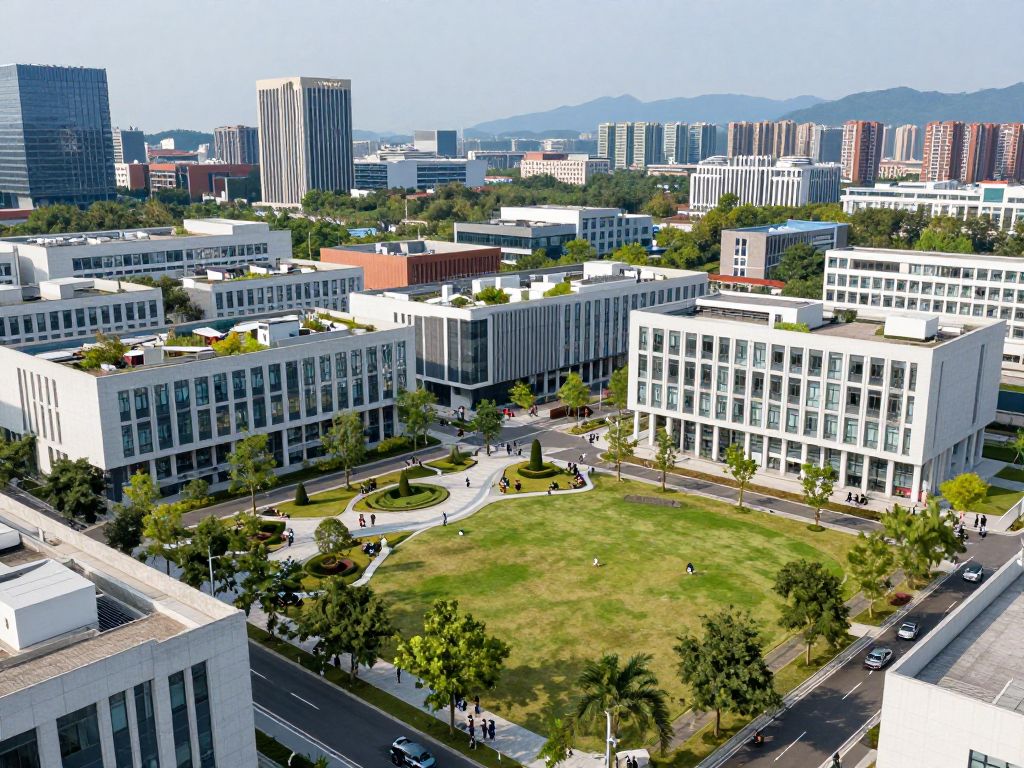
The IMP amendment, which passed the Boston Planning & Development Agency (BPDA) Board, will deliver more student housing sooner than initially planned, increase public open space, and continue investments in college and career pathways for Boston Public Schools students. Specifically, it enables Wentworth to deliver 572 more beds than originally envisioned for the Pike Residence Hall project, creating a new 972-bed dorm that will house its entire freshmen class earlier than previously expected. This sustained investment in campus housing aims to reduce the number of students living off campus, easing pressure on existing housing stock in neighborhoods like Fenway and Mission Hill, thereby supporting long-term residents and families. The IMP represents a total of six new development projects over the next ten years, in addition to over $3 million in anticipated linkage towards affordable housing and over $600,000 towards jobs training.
Fostering Academic Freedom and Innovation
These agreements are not merely administrative but represent a broader commitment to fostering an environment where academic freedom and innovation can thrive. By providing a stable financial framework through PILOT and a clear developmental path through the IMP, Wentworth is better positioned to invest in its faculty, expand its research capabilities, and enhance student opportunities. The planned campus developments, particularly the new student housing, provide an improved living and learning environment, allowing students to focus more intently on their studies and engaging in campus life. This dedication to foundational elements of institutional strength allows for greater focus on pioneering research and disciplinary excellence, ultimately benefiting the intellectual capital of Boston and Massachusetts higher education.
Impact on Boston’s Educational and Economic Ecosystem
The ongoing partnership between the City of Boston and its academic institutions, exemplified by this agreement with Wentworth, contributes significantly to Massachusetts’s educational and economic ecosystem. Educational institutions are key drivers of economic activity, attracting talent, fostering entrepreneurship, and generating research that often leads to real-world applications. A state report highlighted that graduates of Massachusetts public colleges or universities earn significantly more than their peers without higher education, underscoring the economic lift provided by such institutions. The responsible planning outlined in the IMP ensures that Wentworth’s physical expansion aligns with the city’s broader development goals, while the PILOT contributions help to fund the very infrastructure that supports this growth.
Wentworth has a long-standing commitment to making a difference in its local communities, including Mission Hill, Roxbury, and Fenway. Through its Community + Learning Partnerships (CLP) and the Boston Pipeline Initiative, Wentworth actively supports Boston Public School students with college access and career pathways, offering early college exposure and opportunities to earn transferable college credits in STEM fields. These programs, along with annual contributions to community organizations and neighborhood development, are integral to Wentworth’s ongoing partnership with the City of Boston. This collaborative model enhances Boston’s reputation as a global hub for education and innovation.
Leadership and Personal Responsibility in Campus Development
The negotiation and successful conclusion of these agreements highlight principles of leadership and personal responsibility from both the City of Boston and Wentworth Institute of Technology. Mayor Michelle Wu emphasized that “Boston thrives when our anchor institutions bring their many resources together to invest in our communities.” The city demonstrates leadership in its structured approach to managing the growth of its numerous academic institutions, ensuring fair contributions and coordinated development. Wentworth, in turn, exhibits responsible stewardship by proactively engaging in these agreements, recognizing its role not just as an educational provider but as a significant community partner. This mutual respect and commitment to dialogue set a strong example for collaborative governance, reinforcing the idea that progress is best achieved through shared vision and accountability within Boston’s higher education landscape.
Looking Forward: A Model for Sustainable Growth
The agreements between the City of Boston and Wentworth Institute of Technology serve as a commendable model for sustainable urban development and institutional growth within the framework of Massachusetts higher education. They underscore the importance of transparency, cooperation, and long-term planning between municipalities and their anchor institutions. This framework supports not only Wentworth’s future but also the continued prosperity and livability of Boston. It exemplifies how thoughtful engagement can lead to outcomes that benefit students, faculty, and the entire community, fostering a climate of innovation and progress. For those interested in the future of Boston’s academic and urban development, staying informed about such strategic partnerships is crucial. We encourage readers to explore more about university programs and stay updated on the exciting developments within Boston’s dynamic college community.
Key Agreement Details
| Agreement Type | Details | Effective Date | Impact |
|---|---|---|---|
| Payment-in-Lieu-of-Taxes (PILOT) | Commitment of over $5.6 million in cash and community benefits over five years; resumption of annual cash payments to the City (FY26: $50,000 to FY30: $125,000). | February 13, 2026 | Supports municipal services and city financial stability; first written PILOT agreement in over 20 years. |
| Institutional Master Plan (IMP) Amendment | Enables 572 additional beds for Pike Residence Hall (total 972 beds for freshmen class); six new development projects over ten years; over $3 million in linkage for affordable housing; over $600,000 for jobs training. | February 13, 2026 | Delivers more student housing sooner, increases public open space, invests in college/career pathways for BPS students, eases pressure on off-campus housing. |
Frequently Asked Questions
What is a PILOT agreement?
A PILOT agreement, or Payment-in-Lieu-of-Taxes agreement, is a voluntary financial contribution made by a tax-exempt organization, such as a university, to a local government in place of traditional property taxes. This new PILOT agreement includes a commitment of more than $5.6 million in cash and community benefits over the next five years.
What is an Institutional Master Plan (IMP)?
An Institutional Master Plan (IMP) is a comprehensive long-term development strategy that outlines a college or university’s plans for physical expansion, renovation, and campus changes over several years. The City of Boston and Wentworth Institute of Technology announced an amendment to their Institutional Master Plan (IMP) on February 13, 2026.
When were these agreements announced?
The City of Boston and Wentworth Institute of Technology announced major agreements on Payment-in-Lieu-of-Taxes (PILOT) and an amendment to their Institutional Master Plan (IMP) on February 13, 2026.
What are the key benefits of the IMP amendment?
The IMP amendment will deliver more student housing sooner than initially planned, increase public open space, and continue investments in college and career pathways for Boston Public Schools students. It includes a new 972-bed Pike Residence Hall and over $3 million in anticipated linkage towards affordable housing.
Deeper Dive: News & Info About This Topic
HERE Resources
Estiatorio Milos to Enhance Boston’s Culinary Scene
Boston’s Biotech Crossroads: Navigating Challenges and Growth
Boston Real Estate Sees Strategic Talent Acquisition
Central Massachusetts Biohub Fuels Biotech Expansion
Northeastern University Begins Construction on New Student Housing
Boston Celebrates Valentine’s Day and Lunar New Year
Innovation in Boston Classrooms: Empowering Students and Educators
UMass Boston Advances Student Success with New Initiatives
Harvard University Honors Bill Rauch with Arts Medal
Downtown Boston Welcomes Tiki Cove: A New Venture

Author: STAFF HERE BOSTON WRITER
The BOSTON STAFF WRITER represents the experienced team at HEREBoston.com, your go-to source for actionable local news and information in Boston, Suffolk County, and beyond. Specializing in "news you can use," we cover essential topics like product reviews for personal and business needs, local business directories, politics, real estate trends, neighborhood insights, and state news affecting the area—with deep expertise drawn from years of dedicated reporting and strong community input, including local press releases and business updates. We deliver top reporting on high-value events such as Boston Marathon, Head of the Charles Regatta, and Boston Harborfest. Our coverage extends to key organizations like the Greater Boston Chamber of Commerce and Associated Industries of Massachusetts, plus leading businesses in finance, biotech, and insurance that power the local economy such as Fidelity Investments, Biogen, and Liberty Mutual Insurance. As part of the broader HERE network, we provide comprehensive, credible insights into Massachusetts's dynamic landscape.